

DIY Chick Brooder
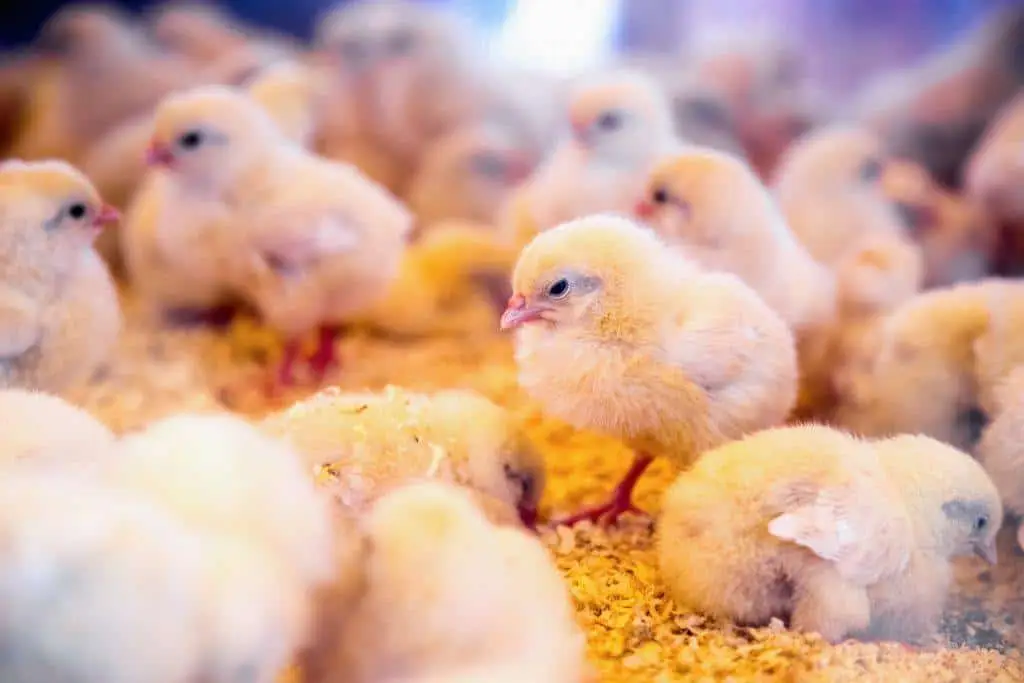
Setting the stage for the healthy development of chicks requires a reliable and carefully constructed environment. This is where a chick brooder comes into play, serving as a warm, safe haven for baby chicks during their first weeks. Building a DIY chick brooder not only allows for customization to meet the specific needs of your flock but also instills a sense of accomplishment in providing for these young creatures. Why might you choose the DIY route for chick brooders? For starters, creating your own brooder can be cost-effective and allows the flexibility to use materials you already have. Additionally, by being involved in the design and construction process, you gain a deeper understanding of the chicks’ requirements, contributing to their overall health and vigor. A thoughtful approach to designing and setting up a baby chick brooder is critical for nurturing these young birds. The following section will dive into the necessary considerations and steps to plan your brooder. With a keen eye on crafting a comfortable environment, you’ll ensure the brooder meets the chicks’ warmth, safety, and space needs, setting the stage for their growth and well-being. With DIY, you’re not just building a physical space but laying the groundwork for the lives entrusted to your care. Planning Your Baby Chick Brooder Design Effective planning is the cornerstone of any successful project. Before I grab a hammer or cut a piece of wood, I carefully consider the dimensions, materials, and features that will ensure my chicks’ survival, comfort, and growth. When approaching the design of a baby chick brooder, consider the space needed, the materials at your disposal, and how you can create a healthy habitat. Space is paramount. I calculate the square footage by the number of chicks I intend to raise, typically allotting 2-3 square feet per chick to prevent overcrowding. For materials, sanitation, and safety guide, my choices are wood for the frame, washable and non-toxic surfaces for the interior, and sturdy, fine mesh for ventilation. Temperature regulation can’t be an afterthought—it’s crucial. A brooder’s design must allow for a reliable heat source, which must be adjustable as the chicks develop their feathers. Draft protection is equally important, ensuring the chick’s environment remains stable. Integrating these elements from the get-go saves time and stress down the line. ? Brooder Building Supplies ? Large cardboard box or plastic tub Heat lamp or EcoGlow brooder Thermometer to monitor temperature Bedding material, such as pine shavings or straw Feeder and waterer appropriate for chicks Brooder guard or cover to contain heat Optional: chick starter feed and chick grit Brought to You by thebackyardchickenfarmer.com ? Step-by-Step Guide: How to Build a Chick Brooder Gather all necessary tools and materials before you start constructing your chick brooder. You’ll need a sturdy container, such as a plastic tub or a wooden box, a heat lamp, thermometer, pine shavings for bedding, a feeder, a waterer, and hardware cloth for a lid. The building process begins with creating a solid framework. This step may involve reinforcing the edges if needed for a plastic tub. If you’re using wood, cut your pieces to size and assemble using nails or screws to form a box. Remember, it’s imperative to sand down any rough edges to prevent injury to the chicks. Next, heat is crucial for baby chicks’ survival. Install the heat lamp securely above where your chicks will huddle, ensuring it’s adjustable. This allows you to modify heat levels by raising or lowering the lamp as required. Always affix it well to avoid falls, and pair it with a reliable thermometer to keep a consistent temperature between 95 and 100 degrees Fahrenheit in the brooder’s first week. Pour in the bedding, typically pine shavings, to a depth of approximately 1-2 inches. This bedding should be changed regularly to maintain hygiene. Set up the feeder and waterer in areas easily accessible to the chicks but far enough from the heat source to avoid warming the food and water. Safety is non-negotiable. Protect your brood by covering the brooder with hardware cloth or a similar lid that provides ventilation while keeping the chicks secure inside and potential predators out. Conduct a thorough check of your brooder to ensure it’s safe and ready for occupants. Watch for potential hazards like loose wires, sharp corners, or gaps through which chicks could escape. After ensuring everything is immaculate, introduce the chicks to their new home. Chick Brooder Building Plans By following these step-by-step instructions, you can easily build a simple wooden box brooder to raise baby chicks at home. Simple Wooden Box Brooder Materials Needed: Step 1: Cut the Wood Step 2: Assemble the Box Step 3: Add Ventilation Step 4: Finishing Touches Step 5: Prepare for Use As an Amazon Associate, I earn commission from qualifying purchases, which helps with website upkeep. Maintaining Your Baby Chick Brooder for Optimal Health Your DIY chick brooder is now a warm and secure home for the newest feathered additions to your family, but the job doesn’t stop there. Keeping these little ones thriving requires regular maintenance of their environment. Start with a daily inspection routine. You’re checking for cleanliness, food and water supply, and the general well-being of your chicks. Any mess should be cleaned promptly to prevent disease and keep the brooder sanitary. Temperature and humidity levels are critical for the health and comfort of baby chicks. Monitor these conditions closely, making minor adjustments to the brooder’s heat source to maintain a consistent environment. As your chicks grow, they’ll need more space and less heat. Be prepared to adjust your brooder setup accordingly, expanding the space and gradually reducing the temperature. Finally, you’ll encounter moments that require swift action – like a tipped-over water dish or a curious chick finding its way to an edge. Stay vigilant and correct these issues immediately to keep your brood safe. Final Thoughts Remember, the brooder is just the beginning. As your chicks develop, you’ll transition them to a chicken coop, but until then, your focus
Brooder Setup And Care For Baby Chicks
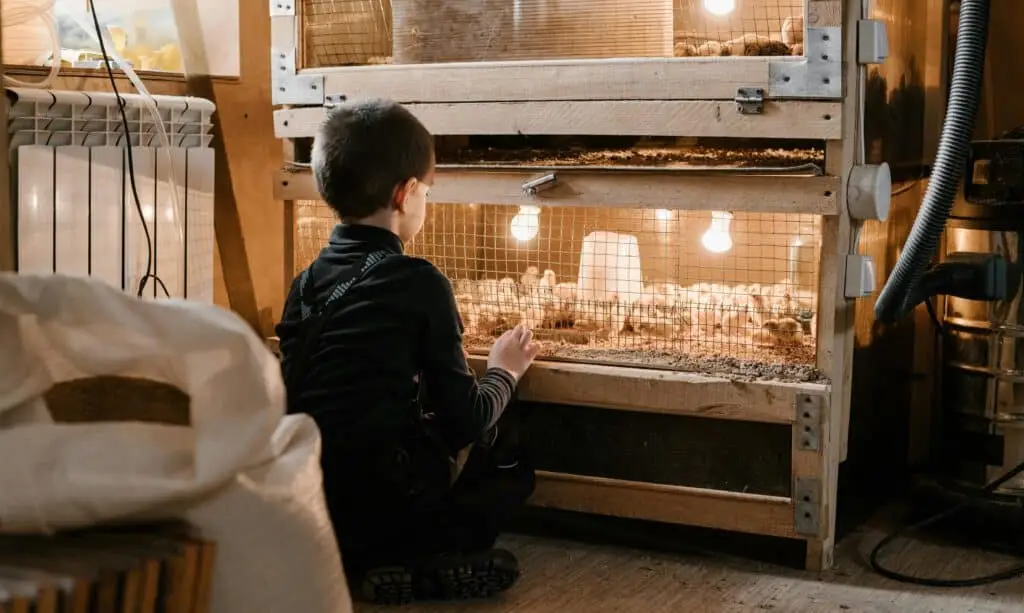
If you’re new to raising chickens, you might be surprised to learn how crucial the first few weeks of a chick’s life are. During this sensitive period, a well-prepared brooder serves as a temporary home where the baby chicks can stay warm, safe, and well-fed as they begin their journey to adulthood. A brooder is the chick’s first home; getting it right is critical. Imagine a cozy, well-appointed nursery, but for chicks. It’s here they’ll grow, develop, and require an environment that caters to their unique needs. These needs can be summed up into four essential components: a reliable heat source, appropriate bedding, adequate space, and safety. As a caring chick owner, the health and comfort of these young birds are in your hands. The brooder invests in their well-being and your flock’s future productivity and health. The extra effort now sets you up for fewer issues in the future. Remember, setting up a brooder goes beyond just buying and assembling parts. It’s about understanding the underlying whys and hows that will ensure your chicks thrive. Now, I’ll guide you through choosing and preparing a suitable brooder in the next section so your chicks can flourish from day one. Choosing and Preparing the Right Brooder Your choice of brooder sets the stage for the health and growth of your baby chicks. A brooder can be as simple as a cardboard box for small batches or a more elaborate setup for larger flocks. Commercial brooders come with all the bells and whistles but can be costly. On the other hand, a do-it-yourself (DIY) approach requires more hands-on setup but can be a cost-effective and rewarding experience. While it takes a time investment, building a brooder is not difficult, and many people find it a rewarding experience when preparing for their new chicks. It just takes some patience and requires an attention to detail. ? DIY Baby Chick Brooder ? Follow these steps to build your own DIY baby chick brooder: Choose a suitable container for your brooder, such as a large cardboard box or plastic tub. Ensure the brooder provides enough space for each chick to easily move around. Make sure the brooder is safe from any sharp objects or safety hazards. Ensure the brooder is easy to clean or discard, especially since chicks can be messy. Place a heat source, such as the EcoGlow, inside the brooder to keep the chicks warm. Provide easy access to food and water for the chicks. Brought to You by thebackyardchickenfarmer.com ? Cleanliness is paramount, even when all the materials are new. A thorough scrub with a disinfectant ensures your brooder is free from pathogens that can harm delicate chicks. Careful consideration of brooder placement is a necessary step. Place your brooder in a draft-free area where you can easily monitor and access it, yet out of reach from household pets and other potential dangers. Regular maintenance, including daily cleaning of equipment and bedding, is essential for preventing the build-up of harmful bacteria and maintaining a healthy environment. Adding a reliable heat source is one of the most crucial steps in brooder setup. The ambient temperature inside the brooder should be approximately 95 degrees Fahrenheit for the first week of life, then decrease the temperature by about 5 degrees each week afterward. Use a thermometer to monitor the temperature. Avoid temperature fluctuations, which can harm the chicks’ health and well-being. As an Amazon Associate, I earn commission from qualifying purchases which helps with website upkeep. The chicks’ transition to the coop is a significant milestone. As they feather out and grow, they’ll become more independent and capable of regulating their body temperatures. The ground rules you’ve set by choosing and preparing an appropriate brooder will impact their transition to the next phase of life. Daily Care and Monitoring of Your Baby Chicks Baby chicks require attentive daily care beyond just providing food and water. Your close observation and engagement are essential in fostering their health and happiness. Regularly checking on your chicks several times daily keeps you aware of their activity levels and behavior, which are strong indicators of their well-being. ? Daily Baby Chick Care ? Check and refill waterers and feeders to ensure your chicks have access to clean water and fresh feed. Monitor the temperature in the brooder and adjust the heat source as needed to keep the chicks warm. Observe the chicks for any signs of illness or distress, such as lethargy or abnormal behavior. Provide enrichment activities, such as dust baths or hanging treats, to keep the chicks entertained and stimulated. Keep the brooder clean by removing any soiled bedding and replacing it with fresh bedding. Handle the chicks gently and avoid stressing them unnecessarily. Interact with the chicks daily to help socialize them and build trust. Brought to You by thebackyardchickenfarmer.com ? Feeding baby chicks isn’t simply scattering some feed into their brooder. They need a balanced diet appropriate for their growth stage. STARTER FEED is the go-to during their early weeks, as it’s packed with crucial nutrients. Ensure feed is accessible and refresh it daily to prevent spoilage. Hydration is just as critical. Chicks should have constant access to clean, fresh water. Check water containers throughout the day to ensure they’re full and clean. Opt for shallow water dishes or add marbles or pebbles to deeper ones to prevent drowning. Observing your chicks can clue you into their health status. Active and curious behavior typically signals that they’re healthy. Be on the lookout for concerning signs like lethargy, unsteady walking, or lack of appetite. If such symptoms appear, consulting a veterinarian is your safest bet. Accurate environmental control within the brooder can’t be overstated. You need to maintain the correct temperature gradient; as chicks grow, they’ll require less heat. Use a thermometer for precise measurement, and notice if chicks huddle (too cold) or pant (too hot). Adjust accordingly. Finally, proper humidity and good ventilation prevent respiratory issues and regulate temperatures. However, avoid drafts. Cleanliness also deserves
Chicken Coop Maintenance Tips
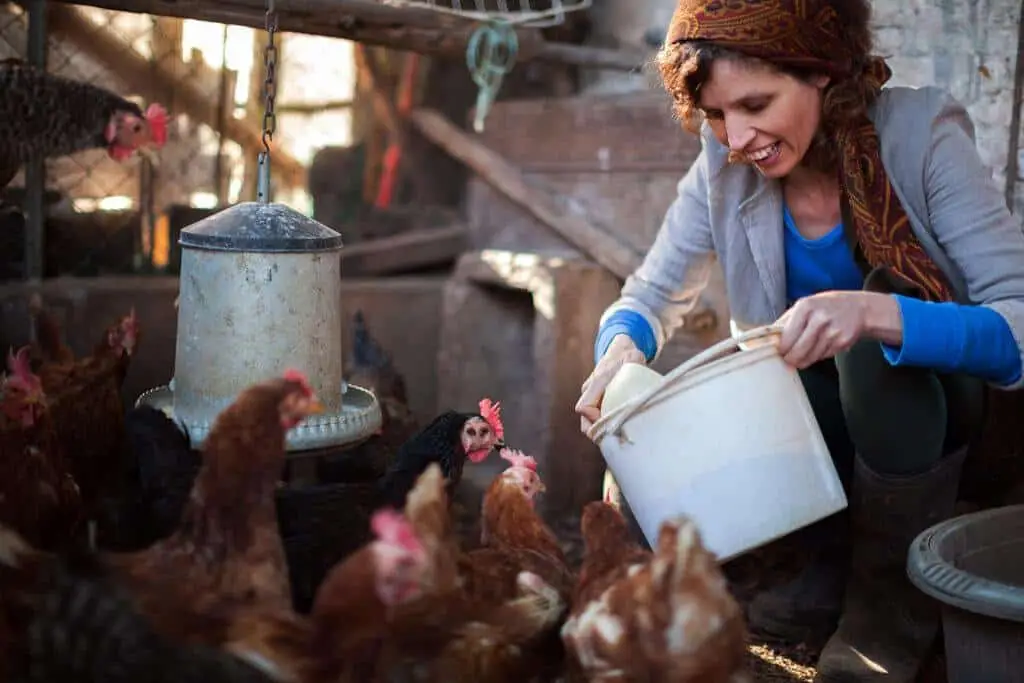
Disclosure: This post may contain affiliate links. If you purchase through these links, I may earn a small commission at no extra cost to you. As with our homes, chicken coop upkeep is year-round. Even in the middle of winter, cleaning and maintaining the coop should be topmost on our minds. Chickens don’t take a break in the winter, nor can we. Like with our homes, there is always ongoing cleaning and maintenance, no matter the time of year. Keeping a chicken coop in top shape goes beyond basic animal husbandry; it ensures your chickens are healthy and happy and lead productive lives. A clean and well-maintained coop is necessary for your chickens’ well-being. Keeping your coop clean reduces the risk of disease while enhancing the consistency of egg laying and promoting better egg quality. When you think of chicken coop maintenance, think of your home. Consider what would happen if it wasn’t regularly cleaned. Not only would the clutter be an issue, but the dirt and potential for pests would not be a happy thought. The same principles apply to a chicken coop. Chickens are naturally clean animals, and a dirty environment stresses them out. This stress can directly impact their egg-laying capacity and compromise their immune system, causing sickness and disease to spread through your flock. Make sure to read What Every Chicken Coop Needs. Besides the maintenance, there are weekly cleaning rituals you need to adopt. Weekly cleaning keeps your chickens pest-free and comfortable and transforms maintenance chores into a routine you’ll hardly think twice about. It’s More than Chicken Coop Cleanliness Chicken coop maintenance is more than cleanliness; it also involves ensuring your coop has a secure physical structure. Consider your coop as the fortress protecting your chickens against possible predator attacks and nurturing habitat for your feathery friends. Maintaining your chicken coop involves routine vulnerability checks and looking for places your chickens could escape or predators could get inside. Ensuring the strength of your chicken coop helps give your chickens their desired consistency. For your chickens to thrive, they need predictability. A well-maintained coop provides your flock with a stress-free and stable environment. This stability contributes positively to their daily routines and overall happiness. My routine includes weekly maintenance checks and necessary repairs, ensuring proper insulation and ventilation, and monitoring for any signs of damage or wear and tear. These inspections can be short and quick, or there may be times when they are lengthier because you need to search for and find security issues. These steps support your chickens’ health and maintain the coop’s longevity, saving you time and money in the long run. Weekly Cleaning Rituals In addition to daily maintenance tasks, a weekly cleaning ritual is paramount for maintaining a healthy and hygienic environment for your backyard chickens. A thorough weekly cleaning routine ensures your flock’s well-being and helps prevent the spread of diseases and pests. Start by removing all bedding material from the coop and nesting boxes and replacing it with fresh bedding to keep the coop dry and odor-free. Inspect the coop for any signs of wear and tear, such as loose wires or damaged wood, and make necessary repairs to ensure its structural integrity. Next, thoroughly clean all surfaces inside the coop using a mild detergent or poultry-safe disinfectant. Pay special attention to areas where droppings accumulate, such as perches and roosting bars. Scrubbing these areas will help eliminate bacteria and reduce the risk of infection. Don’t forget to regularly clean and refill waterers and feeders to prevent contamination and ensure your chickens have access to clean water and fresh feed. Consider using automatic waterers and feeders to streamline the process and minimize the risk of contamination. While you clean the coop, inspect your chickens for signs of illness or injury. Check their eyes, nostrils, and feathers for abnormalities, and observe their behavior for signs of distress. Early detection of health issues is crucial for prompt intervention and treatment. Chicken Coop Maintenance Checklist Chicken Coop Maintenance Checklist Check and refill waterers and feeders daily to ensure your chickens can access clean water and fresh feed. Collect eggs daily to prevent them from getting dirty or damaged. Monitor your chickens for signs of illness or injury, such as lethargy or abnormal behavior. Inspect the coop and surrounding area for signs of predators or potential hazards, such as loose wires or holes in the fencing. Provide enrichment activities, such as dust baths or fresh greens, to keep your chickens mentally stimulated and happy. Keep the coop and nesting boxes tidy by removing debris or waste daily. Maintain proper ventilation in the coop by opening windows or vents to prevent moisture buildup and respiratory issues. By incorporating these additional daily maintenance tasks into your routine, you can ensure the health and well-being of your backyard chickens and promote a clean and comfortable living environment for them. Brought to You by thebackyardchickenfarmer.com Final Thoughts Maintaining a clean and well-maintained chicken coop is essential for ensuring your flock’s health, happiness, and productivity. Implementing regular cleaning rituals and conducting routine maintenance checks can create a safe and comfortable environment for your chickens to thrive. Keeping your chicken coop clean helps reduce the risk of disease and pests and contributes to your chickens’ overall well-being. Maintaining the coop’s physical structure also helps ensure its longevity and provides your chickens with a stable, stress-free environment. So, sit down and map out a weekly cleaning routine to prioritize the maintenance of your chicken coop. Your flock will thank you by supplying you with healthy eggs and cheerful clucks, and you’ll have the satisfaction of knowing you’re providing your backyard chickens with the best possible care.
10 Questions Every New Chicken Keeper Asks
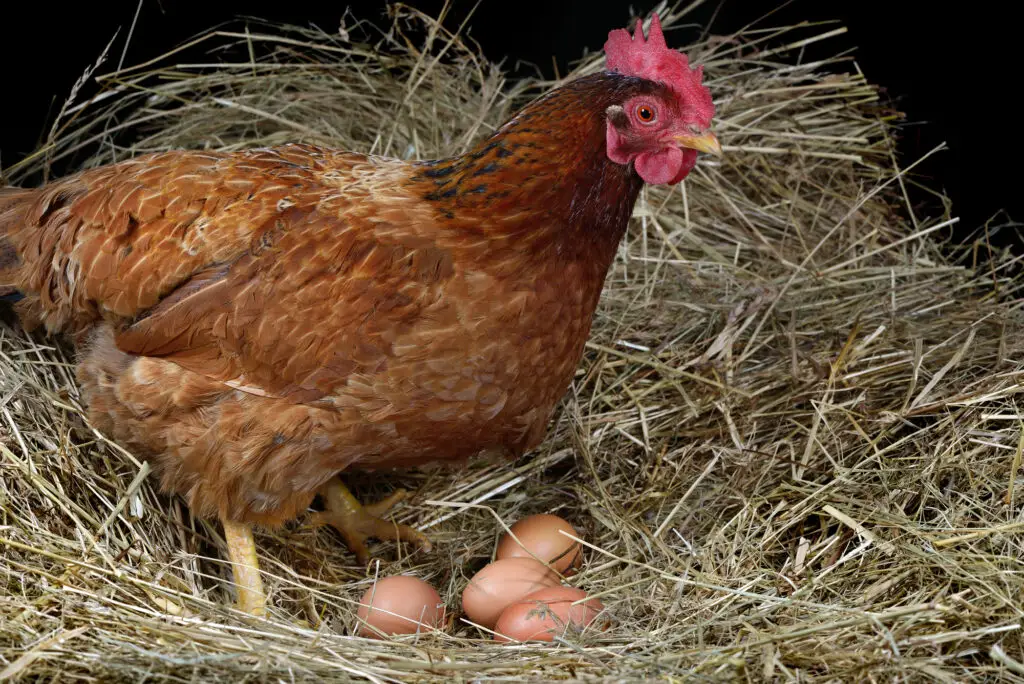
Disclosure: This post may contain affiliate links. If you purchase through these links, I may earn a small commission at no extra cost to you. Backyard chickens are having a moment. More people in suburbs and cities are building coops, ordering chicks, and collecting their own eggs every morning. The reasons vary. Some want fresher, healthier food. Some want a fun hobby. Some just like the idea of stepping outside with a cup of coffee and watching a small flock scratch around the yard. The learning curve is real, though. New chicken keepers tend to ask the same questions over and over. Chickens are simple animals, but they do have specific needs. If you get those basics right, the whole experience becomes easier and more rewarding. One common fear that stops people from ever starting is the belief that chickens need a farm. They don’t. If your backyard is big enough for a dog, it’s big enough for chickens. If you don’t have a farm store nearby, feed, coops, and supplies are all available online. And if you have Amazon Prime, you can have your supplies delivered in a matter of a few short days. Even if you don’t have Prime, other suppliers can deliver your items within a week. There are two books that I recommend that belong on every chicken keeper’s shelf. They are Storey’s Guide to Raising Chickens by Gail Damerow and The Chicken Health Handbook by Gail Damerow and Jeanne Smith, DVM. Both are practical, clear, and worth the price. In my two decades of raising chickens, I hear 10 questions most often from new and some not-so-new chicken keepers. 1. Do hens need a rooster to lay eggs? No. This is the single biggest misconception about chickens. A rooster is only needed if you want fertilized eggs that hatch into chicks. Your hens will produce eggs just fine without a rooster in the flock. 2. How many eggs will my chickens lay? It depends on three things: breed, age, and season. Hens are born with a set number of eggs, and once that set number runs out, there are no more eggs for a hen to lay. Some breeds were developed for high egg production. If the chickens are healthy, a hen from one of those breeds can lay an egg almost every day, but on average, they lay 4 to 5 eggs per week. A simple rule of thumb is that three hens will give you about two eggs a day. Age matters too. Hens start laying between 4 and 6 months old. Their first year is the most productive, and after that, egg output drops a little each year. Seasons also play a big role in egg production. Shorter daylight hours in winter slow production way down, and summer is peak laying time. 3. How long do chickens live? If protected from predators, most standard breeds live 8 to 10 years. Some can reach 15 years, but that’s rare. Chickens are hardy animals with a surprisingly long lifespan for their size. 4. How much daily care do chickens need? Chickens are low-maintenance animals and require less care than a dog. The daily care routine is relatively short, with collecting eggs, refreshing water, and feeding. I change the bedding every one to two weeks, depending on the weather and how dirty the coop gets. During our rainy season, the girls track in mud, and I find myself cleaning once each week. I deep-clean and disinfect the coop twice a year, once in spring and once in late fall. That’s about it. It is really less time-consuming than you might think. 5. What do chickens cost, and where do I get them? Baby chicks run $3 to $5 each, with specialized and rare breeds costing over $20 each. Females cost a bit more than males. Grown hens sell for $20 to $50 each and are usually sourced from local breeders or farm groups. You can buy chicks at a local feed store or order them online. Cackle Hatchery has one of the largest selections of breeds available for shipping. Another great chick shipper is Meyer Hatchery. 6. What do new chicks need? For the first four weeks, baby chicks need warmth. Set up a brooder with a single infrared heat lamp and keep the temperature at a steady 95°F by monitoring it with a thermometer. An 18-inch corrugated paper chick corral makes a cheap, effective pen, or check out my instructions for building an inexpensive plastic bin brooder. After 4 to 5 weeks, the chicks are ready to move into their outdoor coop and run. 7. When will my hens start laying? Most hens begin laying between 5 and 6 months of age. A good layer will produce 200 to 300 eggs per year. Rhode Island Reds and Buff Orpingtons are popular for their large brown eggs. White Leghorns lay large white eggs at a fast pace. Either one of these breeds is great for laying and won’t disappoint. For my pick of the top 5 egg layers, see the post Best Laying Hen Breeds. 8. Are brown eggs healthier than white eggs? No. Shell color comes from the breed of the hen and has nothing to do with taste or nutrition. What does matter is diet and lifestyle. Or so the experts say. I prefer brown eggs, and call me crazy, but I think they taste better. If you want truly great-tasting eggs, studies show that eggs from free-range hens are higher in Omega-3 fatty acids and lower in cholesterol than eggs from caged birds. And they do taste better. Even if your hens can’t roam completely free, their eggs will still taste better and contain more nutrients than most store-bought options. 9. Will keeping chickens save me money? No. This catches many new keepers off guard. Once you add up the cost of feed, water, bedding, coop materials, and your time, you’ll break even compared to buying cage-free organic eggs at the
How To Get Ready For Baby Chicks
I know it is still winter, but it is never too early to start planning for spring when it comes to raising chickens. Mid to late winter is when we start thinking about adding chickens to our flock and what chickens we need to add. We raise mostly laying hens, so we decide what breeds we want to add. Some breeds, like Rhode Island Reds, sell out quickly, so we like to ensure they are at the top of the list when we order. Welcoming new life into your world is an enriching experience, and when it comes to rearing baby chicks, it’s no different. The prospect of tiny fluff balls developing into full-grown hens or roosters is an exciting journey. However, it’s not without its demands. Preparation is vital to starting your flock off right. You are laying the foundation for a happy, healthy flock. The First Step in Raising Baby Chicks The next step in your backyard chicken adventure is setting up a brooder for your baby chicks. But before we work through setting up a brooder, we need to start with what you need to do right now to ensure you’re ready for the arrival of your chicks. We must create a checklist to prepare a nurturing environment for our young flock members. Your new brood will thrive if you know the basics, like warmth, nutrition, and safety. Pay attention to the details to be successful at raising healthy chicks. Like a new parent, you’ll find that attention to these details makes all the difference. With that in mind, let’s move on to the practicalities of constructing a comfortable, safe, and welcoming space for your chicks by giving them the perfect brooder. The Perfect Brooder A brooder is your chicks’ first home, where they’ll spend the earliest weeks of their lives. To ensure they flourish, finding the right location is vital. A quiet corner in a garage or a spare room, away from predators and traffic, works well. Keep it away from windows to avoid drafts, yet somewhere with enough ventilation to prevent moisture buildup. You can buy a commercial brooder or make one using a large cardboard box, plastic tub, or a repurposed furniture piece like a large dresser drawer. Just remember the space must be warm, dry, and spacious enough for the chicks to move freely. If you are new to brooding chicks, making a simple brooder before investing money in a fancier commercial brooder might be the better choice. While commercial brooders have some great options, you may want to try raising a flock of baby chicks before investing the extra money. If you are sure about raising baby chickens, here are some great brooder options for your fledgling flock. As an Amazon Associate, I earn commission from qualifying purchases which helps with website upkeep. The brooder must include a heat source, as chicks require consistent warmth. Aim for a temperature of 95 degrees Fahrenheit in the first week, which can be achieved using a red heat lamp or a safer radiant heat plate. Over time, reduce the temperature by 5 degrees per week until they acclimate to room temperature. Bedding plays an integral role in maintaining a clean environment for the chicks. Pine shavings or chopped straw absorb moisture, control odor, keep the chicks comfortable, and make suitable bedding options. Stay clear of cedar shavings and newspapers; they aren’t safe for chicks due to toxicity and slipperiness. We bought wood shavings for Guinea Pigs and Hamsters from our area farm store. Safety is paramount. Ensure the brooder is predator-proof and has a cover to prevent the chicks from escaping. Additionally, secure the heat source so it won’t fall over and cause a fire hazard. Regular cleaning is crucial to maintain good health. Having designated feeding and watering areas will help keep the nest clean. Ordering Baby Chicks Baby chicks will arrive at your local feed stores later this month through March, depending on where you live. I like buying my chicks from a small, family-owned feed store about five miles from our house. They have a fair selection of healthy chicks to choose from. Some box stores like Ace Hardware stores, Atwoods, and Tractor Supply. However, I like to order from online sources for the best selections. If you use a reputable hatchery and time your delivery correctly, you should be okay with ordering chicks online. ? Places to Order Baby Chicks ? Hatchery Visit their Website Vaccination Option Cackle Hatchery Visit Website Yes Meyer Hatchery Visit Website Yes Murray McMurray Hatchery Visit Website Yes Brought to You by thebackyardchickenfarmer.com ? Nutrition and Hydration for Your Chicks A fitting start in nutrition sets the foundation for a healthy life, especially for baby chicks. When you’ve got everything cozy in your brooder, it’s time to focus on what goes into your chicks. A balanced diet makes all the difference. Opt for a starter feed formulated with the right balance of protein, vitamins, and minerals that chicks require. You can choose between medicated or unmedicated feed, depending on whether your chicks have been vaccinated against coccidiosis. If in doubt, consult a vet. With their feed sorted, attention turns to water – the source of life. Chicks need constant access to fresh, clean water. That means changing it daily or even more frequently if it gets dirty. For this, waterers designed for chicks, which prevent drowning and keep the water clean, are essential. You might be tempted to throw in some kitchen scraps as treats, but caution is advised. Until chicks are a little older, their digestive systems aren’t ready for complex foods. Stick to grit to give them something extra to aid digestion. Ready to ensure their continued health and comfort? In the next section, I’ll discuss how to observe your chicks for signs of health issues and maintain their well-being through vigilant care and comfortable living conditions. Raise Healthy Chicks Monitoring the health and well-being of your baby chicks is crucial. Even with
Raising Chickens For Food
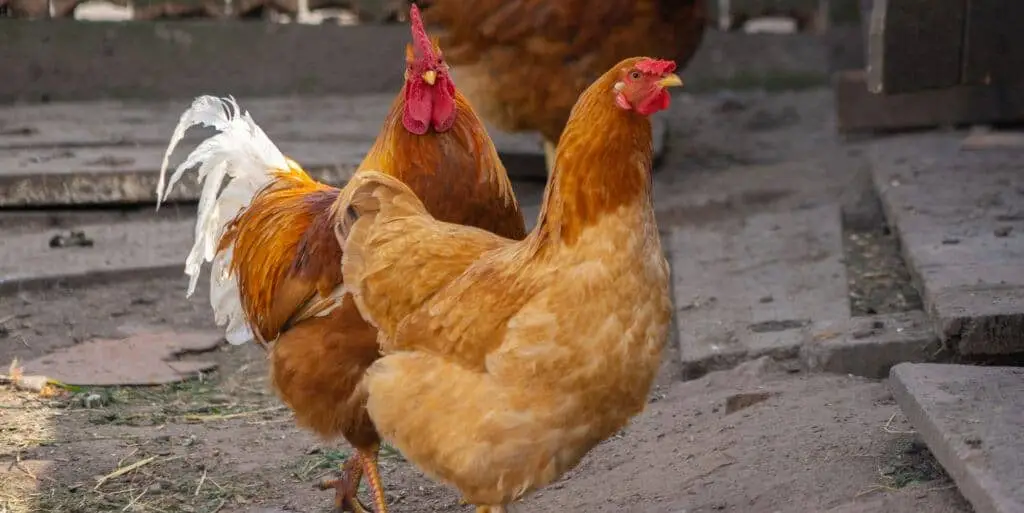
I remember when raising chickens was a practice reserved for rural areas, far from the hustle of city life. But times have changed. Nowadays, seeing a chicken coop nestled in a suburban backyard isn’t just a novelty; it’s a growing trend. This movement is more than fresh eggs for breakfast. The bigger picture is a desire for sustainable living and the allure of food independence. I’ve seen an uptick in urban and suburban dwellers turning to backyard chicken farming. It makes sense, given the increased concern for sustainability and the desire for self-sufficiency. Whether it’s a reaction to supply concerns, the high cost and low quality of food we see now, or the enjoyment many of us get from farming, chickens are part of family life. The benefits of raising chickens reach beyond the kitchen table. There’s the joy of watching them scratch and peck in the backyard, the reduction of kitchen waste thanks to their omnivorous appetites, and the educational opportunities for children. It’s about connecting with the food we eat and understanding the responsibilities of caring for another living creature. As you engage with the idea of chickens as part of a sustainable lifestyle, consider how these feathered friends impact the environment. In the next section, ‘The Environmental Footprint: Chickens as Eco-Friendly Companions,’ we’ll explore how chickens contribute to eco-friendly living, becoming charming little allies in our quest for a greener world. The Environmental Footprint: Chickens an Eco-Friendly Food Source I think a lot about the carbon footprint of our food. By raising backyard chickens, your eggs travel mere feet instead of hundreds of miles to reach your kitchen with store-bought eggs. That alone substantially trims down your carbon output. You’re raising chickens and nurturing a more sustainable food system at home. Chickens pull double duty. They are natural gardeners, pecking away at pesky bugs and reducing the need for chemical pesticides. I consider their manure black gold for gardens, packed with nutrients that chemical fertilizers can’t match. Integrating chickens into garden care promotes a balanced ecosystem and enriches the soil for growing your food. After our spring coop and run cleaning, we pile up the manure and start a new compost pile, which sits for a year before being used in the following year’s garden. Compost is easier to make than you think, using the manure and green and brown scraps from the yard, house, and kitchen. We have a simple formula, which I will share soon in a spring cleaning and gardening post. Small-scale, responsible chicken farming can significantly enhance biodiversity. Your backyard flock supports a broad range of plant and insect life, contrasting the monoculture landscapes of industrial farms. It keeps soils alive and teeming with the microorganisms essential for a thriving ecosystem. Chickens for Health and Nutrition I want to highlight how raising backyard chickens can massively improve the food quality on your table. You’re in control, which means you know exactly what your chickens eat, how they live, and how they are treated. When raised in your backyard, chickens aren’t subjected to the conditions of large-scale farms. They’re typically healthier, and so are their eggs. Their diet can be free of the antibiotics and growth hormones widely used in industrially farmed poultry. Raising chickens in your backyard produces more natural and nutritious eggs and meat for you and your family. Your chickens can feast on various foods, including grains, vegetables, and insects, contributing to their eggs’ rich flavor and nutritional value. This diversified diet produces eggs with yellower yolks, more omega-3 fatty acids, and a fresher overall taste than store-bought eggs. For meat, chickens that exercise and roam freely produce leaner meat with a better texture. The consumption of fresh eggs and poultry meat from chickens you’ve raised can also affect your and your family’s health in subtle ways. According to numerous studies, the difference in nutrient content is more significant than you might think. This translates to your meals being packed with higher-quality protein, vitamins, and nutrients, making each dish tastier and better for your well-being. Considering the health benefits helps you smoothly transition to thinking about how you’ll start your flock. The following section will provide actionable guidance to help you understand the essentials of chicken farming. From setting up your coop to laying the groundwork for healthy, productive chickens, you’ll be poised to enjoy the rewards of raising chickens responsibly and sustainably. Getting Started with Raising Backyard Chickens So, you’re interested in becoming a chicken farmer. This commitment caters to producing your own food and contributes toward a healthier planet and lifestyle for you and your family. Before getting started, check your local laws. Zoning regulations differ widely, and you must ensure your chicken farming plan aligns with local ordinances. If zoning laws permit raising backyard chickens, and if you live under a Home Owner’s Association, you must check with them before starting your backyard flock. Selecting a chicken breed comes next. Climate tolerance, egg production, and temperament should guide your choice. For my top pick for egg-laying chickens, check out my article, Best Laying Hen Breeds. Creating a chicken-friendly environment is crucial. Your chickens need a secure coop to protect them from predators and space to roam. You can find some great tips for setting up your chicken coop and run in my article Chicken Coop Necessities. Your chickens’ health and happiness are tightly linked to their care. Establish a routine for feeding, cleaning, and monitoring their health. Regular vet visits can catch issues early. Understand that raising chickens is a learning curve. Reach out to local farming communities or online forums for advice when you need it. As always, you can reach out to me here in the comments with any questions or send me an email to info@thebackyardchickenfarmer.com. While you get a lot of enjoyment with backyard chicken farming, be prepared for the reality of what it entails. Raising chickens requires time, money, and effort. But remember, the rewards of fresh eggs, a happier garden, and
Preventing Common Chicken Diseases
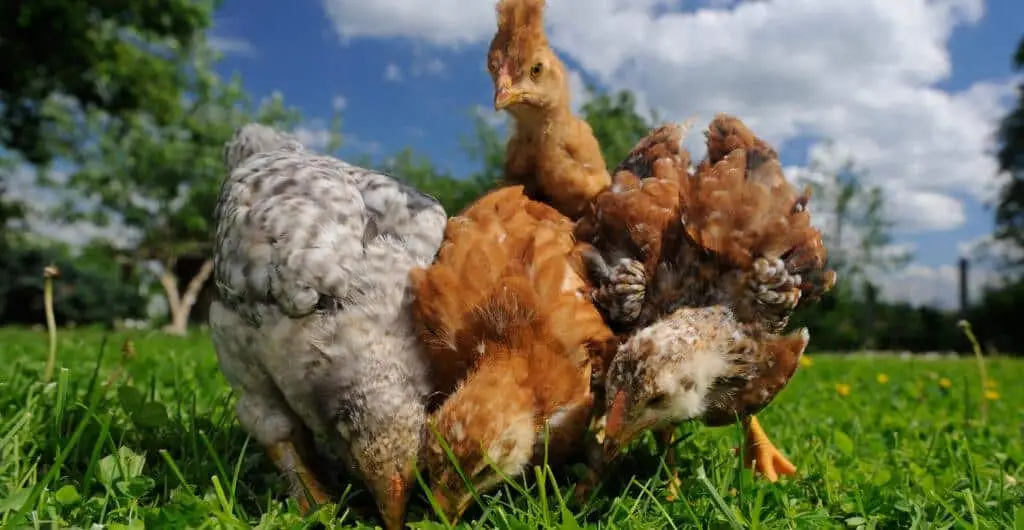
If you’re raising chickens, you want to ensure they’re healthy, happy, and productive. One crucial aspect of achieving this is preventing common chicken diseases—a task easier said than done, but I’m here to guide you through it. Diseases can be a significant setback for any poultry enthusiast, whether you’re running a large-scale farm or keeping a few backyard hens. Like any other animals, chickens are susceptible to various diseases, some of which are mild and easily manageable, while others can be devastating. Recognizing the importance of disease prevention is the first step in safeguarding your flock, and understanding the WHAT is essential before we delve into the HOW of disease prevention. Diseases such as Avian Influenza, Marek’s disease, and Coccidiosis are just a few that can affect your chickens. Effective disease management starts with the proper practices in place. Good husbandry, vaccination, biosecurity measures, and nutrition—all work in concert to fortify your chickens against illness. I will explore the intricate balance needed to maintain a healthy flock and how preventive actions are always better than reactive ones. An integrated health management approach can save you time, money, and the heartache of dealing with sick birds. It encompasses everything from their environment to the food they eat – each component is as important as the next. In the following section, let’s take an in-depth look at the basics of chicken health so you can better understand how to keep your chickens in prime condition. Understanding the Basics of Chicken Health To effectively prevent common chicken diseases, it’s essential to recognize when your birds are healthy or may be at risk. Grasping the basics of chicken health means closely observing your flock and understanding normal chicken behavior and physiology. Healthy chickens are active, with bright eyes and glossy feathers. In contrast, unhealthy birds may exhibit lethargy, ruffled feathers, or changes in eating habits. Recognizing these signs early is crucial in preventing the spread of disease. Nutrition plays a critical role in reinforcing a chicken’s immune system. A balanced diet consisting of proteins, carbohydrates, fats, vitamins, and minerals is the foundation for a robust flock. Inadequate nutrition can quickly compromise a chicken’s health, making them more susceptible to illness. As an Amazon Associate, I earn commission from qualifying purchases which helps with website upkeep. Regular health checks are paramount. This involves observing daily behaviors, inspecting physical conditions, and looking for signs of distress. Keeping a close eye on their behavior and appearance can inform you when something might be amiss and when intervention is necessary. ? Common Chicken Diseases ? Disease Symptoms Treatment Avian Influenza Coughing, sneezing, respiratory distress Isolation, supportive care, vaccination Coccidiosis Bloody diarrhea, lethargy Anti-coccidial medications Marek’s Disease Paralysis, weight loss No cure, vaccination for prevention Fowl Pox Lesions on skin, respiratory distress Supportive care, vaccination Brought to You by thebackyardchickenfarmer.com ? Vaccination and Biosecurity Measures I must emphasize that vaccinations are critical in the battle against common chicken diseases. Think of them as a shield, arming your flock against viral and bacterial threats. Here’s a rundown of essential vaccines – these typically include Marek’s disease, Newcastle disease, and Infectious Bronchitis. Every flock is unique, so consult a vet to customize your vaccination plan. As an Amazon Associate, I earn commission from qualifying purchases which helps with website upkeep. With a plan in place, it’s time to talk biosecurity. This is your first line of defense. Limit visitors to your coop, insist on disinfecting, and establish a ‘no wild birds’ policy. Why? Because people and pests can bring in diseases. Shoes pick up pathogens like seeds on a hike, and that’s bad news for your birds. Let’s look at successful biosecurity cases. What did they have in common? Vigilance and consistency. These farms were fortresses, and disease couldn’t find a way in. They set excellent examples of protocols to emulate to avoid disease in your chicken coop. Now, an impeccable environment goes hand in hand with biosecurity. That’s where we steer towards creating a habitat that champions chicken health. Imagine a coop that’s clean and stress-free with the right temperature and air quality. It sounds like paradise because it practically is – for your chickens. Environmental Control and Sanitation Practices Keeping your chicken coop clean can significantly reduce the risk of disease. It’s KEY to maintaining the overall health of your flock. A dirty environment can harbor pathogens that lead to illness among your chickens. So, constant vigilance in coop cleanliness is essential. Start with the basics: ensure your chickens have space. Overcrowding can increase stress and disease transmission. Design an enclosure that allows for natural behaviors like pecking, roosting, and nesting while preventing the buildup of droppings in any one area. Regular cleaning is a must. Replace bedding frequently to keep it dry and free from parasites. Completely clean all surfaces, feed containers, and water dispensers weekly. Consider a deep clean several times a year to sanitize the entire coop. As an Amazon Associate, I earn commission from qualifying purchases which helps with website upkeep. Ventilation is critically important. Poor air quality from ammonia and dust buildup can lead to respiratory problems in chickens. A well-ventilated coop with clean, dry air can help prevent these complications. Temperature and humidity are also factors to keep in balance. Chickens are hardy, but extreme temperatures and high humidity can compromise their immune system. Use fans, proper insulation, and adequate shelter to mitigate harsh conditions. Lastly, minimize stress. A calm environment supports a healthy immune system. Provide protection from predators, reduce noise, and avoid abrupt changes to routines to help keep stress levels low. Environmental management is just one aspect. A strategic approach to nutrition also plays a crucial role in disease prevention, which I will discuss in the next section. Conclusion: Proactive Health Management for Your Flock I’ve given you a rundown on significant strategies to sidestep common chicken diseases, emphasizing a preventive stance over reactive measures. Vigilance in health management matters immensely. Regular health checks, vaccinations, and stringent biosecurity measures