
Caring For Chickens In The Winter
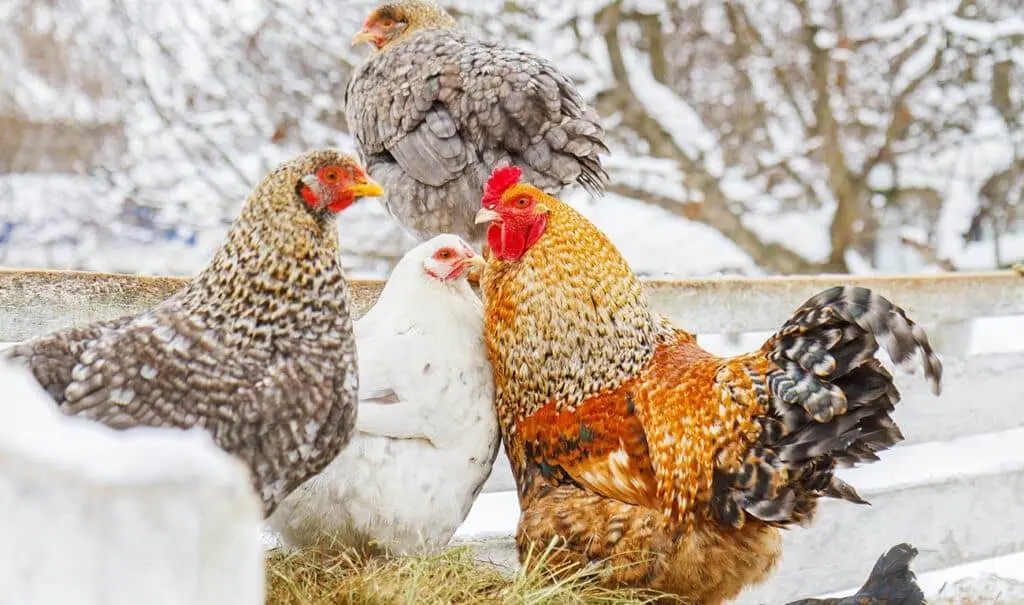
Warm weather is winding down as cooler weather moves in, bringing a taste of the coming winter. As well as preparing your home for the long winter months, it’s time to prepare your urban chickens for winter. With a possible cold, wet winter and prolonged subzero temperature in many areas of the country, ensuring your chickens’ comfort makes happy chickens and the urban chicken farmer’s life easier. Providing proper care to your flock regardless of the season is essential. Chickens need specialized care in winter, just as in summer. Even if your chickens stop producing eggs during winter, putting forth the effort to keep them comfortable and healthy helps them start the spring and summer laying period in prime condition. Preparing backyard chickens for winter is not difficult if you follow a few simple rules. Chickens are hardy creatures, with many breeds more tolerant of cold than others. Some cold, hardy birds include Orpingtons, Dominiques, Rhode Island Reds, Ameraucanas, Black Giants, and Brahmas. This is the most important step to caring for chickens in any season. Your chickens need suitable housing to protect them from predators and the elements. Good Housing Ventilation – Good ventilation allows dissipation of moisture caused by the chicken’s breath during the winter and provides a fresh air source during the summer. Your first instinct is to plug every hole in the chicken coop, thinking it will keep your birds warm—don’t do it. In cold weather, chickens spend more time roosting in the coop, and good airflow removes moisture. Roosting chickens creates moisture, allowing condensation inside the coop and creating cold and damp conditions, which are unhealthy for your chickens. The moisture settles on combs and wattles, causing frostbite. You need good ventilation but not drafty. Drafts in direct line with chicken roosts are dangerous. If your chicken house has windows or vents, keep them open just enough to give airflow but not wide enough to cause drafts on roosting chickens. Cold drafts can kill a roosting chicken, so make sure your ventilation only allows the air to circulate, keeping the moisture down. As an Amazon Associate, I earn commission from qualifying purchases which helps with website upkeep. Heat – No…no…and no again. Okay, I know there is much debate about this, especially in colder, northern climates. Our winters in Oklahoma rarely have long cold spells with subzero temperatures; our winters usually stay above freezing. However, my grandparents kept chickens in harsh environments with no heat in the henhouse, only suitable winterization. My dad’s parents lived in northern Ohio while my mother’s lived in northern Iowa; both kept flocks throughout the winter, with rarely a loss. The biggest problem with heating your coop and preserving a warmer temperature is that chickens only feather out in light down and not their full winter plumage. If you lose power for any time, your heat source is gone, and chickens aren’t acclimated to the colder temperatures. We have ice storms in the winter, so losing electricity is common. If we kept our chicken coop heated, we might lose some chickens. All heating sources are dangerous. If you feel you must heat, follow the manufacturer’s safety precautions for your heat source. Coop fires are common in winter, making safety a must. Heat bulbs are a common heating source. Hang them with sturdy clips, out of the way where chickens can’t knock them into bedding and cause a fire. I recommend oil-filled radiant heaters instead of heat lamps. These heaters won’t subject the flock to long-term illumination, causing egg production system damage. Whatever heat source you use, keep it at a low temperature, no higher than 25° F, to avoid molting those extra layers of feathers. I suggest letting them grow their downy “underwear” and not offering any artificial heat unless it gets cold for long periods: -20° F or below. If you decide not to heat your coop, provide ventilation without drafts and plenty of bedding and litter with enough depth to provide insulation. Never “overstuff” the house with straw since it sweats and causes fungal growth, leading to respiratory illness in chickens. Mucking it Out – This is done weekly, regardless of the season. During the winter, you may need to increase mucking depending on how much time the birds spend in the house. For harsher climates, I suggest 2-3 times weekly. Feed and Water No matter the season, fresh feed and water are vital to a healthy flock. Chickens need constant access to water as well as feed. Feeding – The winter food consumption rate varies depending on the weather, so giving chickens free access to food is recommended. To provide extra energy and help keep birds warm during the night, provide small amounts of corn or other slow-burn grain before roosting. During slow egg production in winter, try reducing the calcium and protein and increasing calories to help keep birds warm. Decrease protein intake to 17 percent by switching from layer rations to scratch. Scratch is low in protein and high in calories. I also reduce calcium by reducing oyster shell availability. I like giving my hens a break from heavy egg production during the winter months, but if you prefer keeping egg production going, increase protein with sprouting. Watering – Disinfect both drinkers and feeders with good-quality disinfectant once a week. Rinse well with hot water and dry before refilling. In places like Oklahoma, we are usually above freezing during the day, so icing water isn’t a significant problem except at night. If you have constant freezing temperatures, water will need to be free of ice. Keeping drinkers sheltered and breaking the ice as it forms keeps water supplied. However, not everyone can do this, so another consideration is placing the drinker on a heated platform or buying a heated drinking unit. As an Amazon Associate, I earn commission from qualifying purchases which helps with website upkeep. Never add anything to water that may stop freezing. This will seriously harm your chickens. As an Amazon
Chickens For Cold Climates
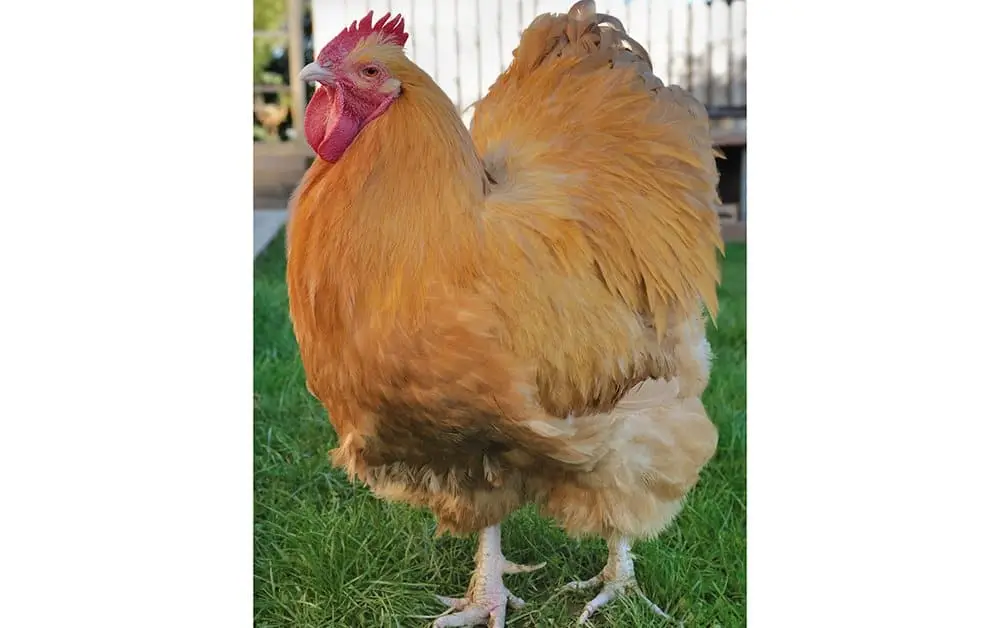
When raising backyard chickens, one of the most critical considerations is researching the breeds best for your location. If you live in a hot climate, you need a heat-tolerant breed, but a cold, hardy chicken is best in the colder, northern climates. If you choose the wrong breed for your climate, you will likely have sickly chickens or suffer losses in your flock. Some people who choose the wrong breed make a temporary shelter where the climate is more conducive to raising healthy chickens. To avoid extra work and disappointment, picking the best chickens for cold climates is essential. In this guide we will give you our best tips for choosing chickens for cold climates. Adaptations that help chickens thrive in colder temperatures Once you select a cold-hardy chicken breed, some adaptations will help your chickens thrive in a colder climate. Your priority is ensuring the coop and run are large enough to accommodate your flock. Chickens will seek shelter simultaneously, so you need adequate space to house them simultaneously, with perches for each chicken. Also, add perches to the run and yard area for chickens wandering outside. Use simple items like straw or hay bales, thick tree branches, tree stumps, or anything chickens can safely roost on up off the ground. Here are other steps to keep your chickens happy and healthy during the winter. Common Health Concerns for Chickens in Cold Climates Chickens are hardier than most people think, and many breeds acclimate to colder climates. No set temperature is considered too cold for chickens, and most can survive frigid temperatures as long as you take winterizing precautions. However, there are some illnesses or injuries chickens are more susceptible to during the cold winter months. Chickens are hardier than most people think, and many breeds acclimate to colder climates. No set temperature is considered too cold for chickens, and most can survive frigid temperatures as long as you take winterizing precautions. However, there are some illnesses or injuries chickens are more susceptible to during the cold winter months. Top Hardy Chicken Breeds for Winter Weather Not all chickens are built for cold climates, but certain breeds can handle the harsh, northern winters better. Even some of these breeds do well in the warmer climate of the southern states. There are a few characteristics that these breeds have that let you know they can handle the cold. Chickens made for cold climates will have a larger body for holding in the heat, extra layers of dense, plush feathers, small wattles, and combs for a lesser risk of frostbite. My pick for top chicken breeds for cold climates: Choosing the Right Breed Based on Environment and Care Needs The first thing to consider before starting your chicken flock is what you want to gain from keeping chickens. Do you want chickens for meat, for eggs, or as pets? Each breed has a primary use that should steer your decision to what breed to pick. Next, consider your environment and the care involved in keeping the breed you select. Besides the climate, feed supply sources, room to care for the flock, noise levels, and area restrictions figure in choosing the perfect breed of chicken. Winterizing Your Coop: Care Tips for Keeping Your Chickens Warm and Safe
Chicken Waste Management
I’m going to kick things off by talking about chicken waste – not the most glamorous topic, I know, but hear me out. This stuff is a significant by-product of the poultry industry, composed of manure, feathers, spilled feed, and bedding material. It’s not just something farmers deal with; it’s got broader implications. You’re going to find out about the environmental footprint of this waste, which is no small matter. Improper handling can lead to contaminated water sources and methane emissions and even contribute to climate change. And this isn’t hyperbole. Studies show that nutrients like nitrogen and phosphorus from chicken waste, when not managed correctly, can wreak havoc in ecosystems, leading to phenomena like algal blooms in nearby waterways. This isn’t just about protecting streams and rivers; it’s also about ensuring the sustainability of farming practices for generations to come. I’ll throw some numbers at you: according to the United Nations Food and Agriculture Organization, the global poultry population is on the rise, creating more waste each year and posing potential risks if not managed well. Now, don’t worry too much about doom and gloom – there are solutions, and that’s where section two sails in, bringing hope to the horizon. You can look forward to exploring the best practices for sustainable chicken waste management, highlighting innovative approaches already changing the game. From enhancing soil health to generating renewable energy, the next section is about turning a problem into a potential powerhouse of opportunity. Best Practices for Sustainable Chicken Waste Management Now, I’m going to walk you through some of the most effective systems and practices that poultry farmers are putting in place to manage chicken waste sustainably. You’ll find out about the typical methodologies and some pioneering techniques that are changing the game. In my opinion, sustainable chicken waste management begins with efficiency. That will include reducing waste at the source, proper segregation, and implementing manure handling systems that turn waste into worth. Practices such as composting, anaerobic digestion, and proper storage play a significant role here. Another technique that can’t be ignored is the reuse of chicken waste in the form of bio-fertilizer. By doing this, farmers are not only reducing the waste that needs to be managed but are also providing a natural alternative to chemical fertilizers, which is better for our land and waterways. Government regulations are important to consider as well. These regulations often provide a framework for farmers, helping to ensure that there’s a baseline of environmentally friendly practices on all poultry farms. I will touch on the positive outcomes of these regulations, including their role in promoting new technologies and processes. We’ve also got to acknowledge the innovative methods emerging in the industry. From the layering of poultry waste in feed to fuel biogas production to the development of closed-loop systems that minimize environmental impact, there’s a lot of opportunity in waste management innovations. So, choose something that resonates with you, whether it’s the simplicity of composting or the complexity of a fully integrated waste management system. Remember, as new technologies and regulations emerge, you can always adjust your approach. Community and Health Benefits of Proper Chicken Waste Disposal I will tell you about the changes that happen when chicken waste is managed right. Good waste disposal isn’t just beneficial for the environment; it also makes life better for people living near poultry farms. You’ve probably heard about the nuisance of odor from chicken farms, but this is the least of the concerns. When waste isn’t handled correctly, it can seep into groundwater, affecting drinking water quality. It’s important to have effective treatment processes to keep our water safe. Look at the examples from areas like the Delmarva Peninsula, where better waste management practices have improved local waterways, leading to healthier ecosystems. This, in turn, positively affects the quality of life and local economies. With the technological progress in waste treatment, everyone stands to gain. Farmers who invest in on-site facilities can turn a potential environmental hazard into a health-positive story. Then there’s the big plus of fewer disease outbreaks. When pathogens in waste are neutralized effectively, the risk of diseases such as E. coli and Salmonella drops significantly. This protects the communities and safeguards the poultry industry’s reputation. Ready to see how this waste can become a valuable asset? That’s going to include turning chicken poop into power, which I’ll cover in the next section. From Waste to Resource: Innovations in Chicken Waste Utilization I will show you how something as unappealing as chicken waste can be flipped into a goldmine of resources. This isn’t just about managing waste; it’s also about embracing sustainability and innovation. You’ll find out about the incredible transformation of chicken waste into bio-fertilizer. Rich in nutrients, this form of fertilizer is helping to boost soil health and crop yields across the globe. And guess what? It’s a win-win for both farmers and the environment. Now, what about the energy sector? Well, there’s a lot of opportunity in biogas production from chicken waste. Through anaerobic digestion, poultry farmers are converting waste into biogas that powers homes and businesses. Emerging technologies are also on the rise. They’re making the recycling process more efficient and opening up new avenues for by-products, including feed ingredients and alternative materials. In my opinion, these innovations underscore a broader shift in how we view and manage waste. It’s about choosing something that resonates with a sustainable future. A lot is happening very quickly, and that’s the strategy I like to leverage for long-term benefits. Your first attempt at integrating these practices doesn’t need to be your last. Just don’t focus too much on perfection. Start somewhere, and you can always adjust your approach down the road. I hope you see the immense potential of chicken waste when repurposed responsibly. Don’t worry too much about the complexities. Instead, consider the economic advantages that these innovations bring to the table. With the right mindset and methods, poultry farms can be at the forefront of
Raising Meat Chickens
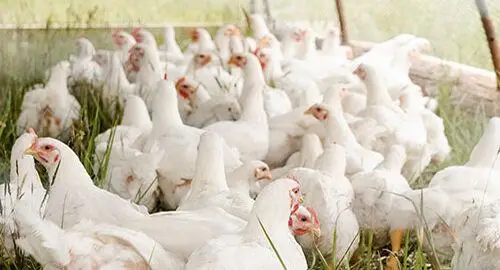
Even though the first day of winter was only a short time ago, it is time to start planning to raise meat chickens during the coming spring. If you’re still straddling the fence, I hope this article helps you decide if raising meat chickens in your backyard is for you. Even if you live in an urban area, chances are good you can still raise chickens for meat. First Things First Food processing, whether fruits and vegetables or meat, increases self-reliance. It also ensures your chickens are raised humanely in a clean, cage-free environment. Supplying your family with natural organic meat, free from growth hormones and antibiotics, is essential for raising meat chickens in a backyard. Add the fantastic taste of farm-fresh chicken meat, and you’ll wonder why you never raised your own. Not everyone wants to or can raise meat chickens. Some cities and suburban areas may not allow backyard chickens; if they do, the number of chickens may be limited. Others may not have the space or have neighbors who object to raising chickens. Then, there is the last aspect of raising meat chickens. After putting the work and effort into preparing your chickens for the table, can you process them? You can take them to a processor, but even this might not be easy. I won’t lie to you. The first butchering is hard for most backyard chicken farmers. Some find it more difficult than others do, making it the first and most important consideration before raising meat chickens. If your area allows chickens, you have the space for them, and you’re okay with the emotional aspect of butchering, consider giving it a shot. For many of you, you’ll be glad you did. Let’s Begin Once you’ve decided raising meat chickens is for you, research the breeds. There are different meat breeds and dual-purpose breeds that are good for egg laying and meat production. Deciding which breed to buy is an essential first step. For your first batch of meat chickens, start small, keeping your group to no more than five or six. A good rule of thumb is to buy one or two extra chicks since it is common for a chick or two to die. Keep your choices simple by staying with a well-known breed like the Cornish Cross. They are inexpensive and available at most local feed stores or online hatcheries. The Cornish Cross There is a lot of negative discussion about this breed, causing most first-time backyard chicken farmers to pass them up. I’ve seen many horror stories about the Cornish Cross. There’s a lot of concern over the birds supporting their weight and heart attacks. From experience, if done correctly, Cornish Cross chickens are easy to raise without any health issues. We’ve successfully raised many Cornish Cross flocks and consider this bird a great meat flock for beginners. The two mistakes flock owners make are overfeeding and not butchering soon enough. When our Cornish reaches three weeks old, we only feed them during the day, removing their food at night. If food is left out, these birds continually eat, causing them to gain too much weight too quickly. The Cornish Cross’ constant eating contributes to their rapid growth, making them ready to butcher at eight weeks. Removing their food at night helps slow the growth process. While you can butcher any time you want, we recommend eight weeks. You’ll get a bigger bird by waiting longer than eight weeks and not cutting back their feed, but they’ll also have health problems. The 8-week butchering time frame is two weeks less than other meat chicken breeds and at least one or two months before the dual-purpose breeds are ready. By following these suggestions, you should do great with raising the Cornish Cross. The Cost of Raising Meat Chickens in a Backyard No matter which breed you buy, keep costs under $10 per bird. Costs include the cost of the bird, shipping, and feed. By choosing the right breed, raising meat chickens in a backyard costs much less than you think. If your backyard chicken farm is already set up, the only cost is your chicks, feed, and possibly the brooder. If you don’t have a brooder, you can make one reasonably cheap using repurposed items. Your basic brooder needs are a container to keep the chicks in, a heat light, bedding, feeders, and waterers. For the container, anything with high sides to keep the chicks in and provide a safe environment will do. We bought a used stock tank for $25 at our local feed store. The tank gives us a safe place for all our new chicks for years to come. You can also use plastic kiddie pools or a sturdy cardboard box. Do you want to know what to feed your flock? Check out Best Chicken Feed for Backyard Chickens. Brooder Supplies Whatever you use, all brooders must have the following characteristics: ? Brooder Supplies Checklist ? Enough space for each chick to easily move around Safe from any sharp objects or safety hazards Easy to clean or discard, like a cardboard box (Cornish crosses poop a lot) Easy to move Heat source – I recommend the EcoGlow for low-cost operation Easy to reach food and water* Brought to You by thebackyardchickenfarmer.com ? Water containers must not be too deep because your chicks can drown. For new chicks, I recommend a water nipple system or a drown-proof waterer made explicitly for young chicks, like a mason jar waterer. As an Amazon Associate, I earn commission from qualifying purchases which helps with website upkeep. After Cornish Cross chicks are past the brooder age, about three weeks, you can move them to a larger area as long as they are not showing any signs of illness. For other breeds, usually, six weeks is an excellent time to start moving them. No matter what breed you choose, you must separate young chicks from older chickens and give them time to acclimate with the
Raising Backyard Chickens 101
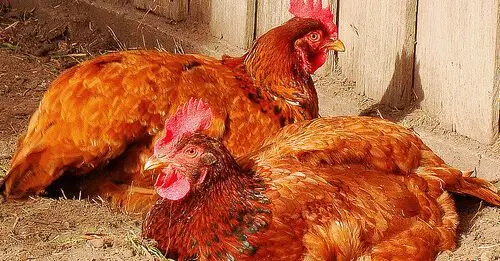
Many people in the inner city suburbs are starting to realize the benefits of raising backyard chickens. They are easy to take care of, produce fresh eggs for the table, and are a great learning tool about farm life for children growing up in the inner city. This article will give you the inside scoop on raising backyard chickens 101. Raising Chickens in the Backyard Inner city life brings with it a lot of pros: you’re close to the action and work, you don’t miss out on anything, and you don’t have to sit through hours of peak hour traffic, but it also holds you back from having the backyard of your dreams. Many of those who live in the inner city do not have much space in their yards; many only have courtyards, but if you have enough space to install a chicken coup, you get the best of two worlds: city and urban. ? The Backyard Chicken Movement Timeline ?️ Early 2000s: Rise in urban chicken-keeping as part of the sustainable living movement. 2009: “The Backyard Chicken Revolution” book by Gail Damerow boosts interest in keeping backyard chickens. 2010s: Increase in city ordinances allowing backyard chickens in urban areas. 2016: “The Chicken Whisperer’s Guide to Keeping Chickens” by Andy Schneider becomes a bestseller. Present: The backyard chicken movement continues to grow, promoting self-sufficiency and sustainable living. Brought to You by thebackyardchickenfarmer.com ? Chicken Coop and Run A coop and run is essential for your flock of backyard chickens. Plenty of shed companies supply well-sized chicken coups for backyards, so you can benefit from raising chickens while living in the inner city. For those who enjoy doing things yourself, build your chicken coop from any designs found at Easy Coops, like this small chicken condo suitable for most backyards. All the Easy Coops plans have a chicken house design with enough space for the number of chickens they are built for, and all provide adequate light and ventilation for a healthy flock. I suggest having an outside run area large enough to allow good exercise for your chickens. This may mean adding extra space to your plans or building a coop bigger than the suggested number of chickens for the coop design. You can make any of these coop designs using used lumber from a second-hand building store or with pallets. Add a coat of paint, and no one can tell. Your chickens need a bare area to take a dust bath in the run. They rid themselves of mites and bacteria, not with water but dust. They need an area of dust approximately 2′ by 2′ by 16″, either bare ground or a low-sided box filled with dust. If you use the ground in your yard for their dust bath area, you might want to consider one of the moveable chicken tractors. As its name implies, this coop is a portable pen that you can move from one area of your yard to another. These unique coops have wheels on one end and handles or a handlebar on the other. The Cost of Raising Chickens Chickens are easy and inexpensive to maintain, compared to your average pet, and they are your very own chemical-free bug and weed control; they make an excellent fertilizer, and your kids will love them. There are two costs associated with raising chickens: startup costs, like the coop, equipment, and the chickens themselves, and ongoing costs for food and other essential supplies. Maintaining a chicken flock of three chickens or less costs approximately $30 monthly. If you are up for a little nature experiment, you can raise your chickens from an egg by making an egg incubator. You can watch your chicks hatch and raise them from birth to be the big, healthy, egg-laying chicken of your dreams. Your chicks will eat crumbs and drink water from a drip. Encourage your kids to play with the chicks to get them used to being around people from an early age. If you haven’t spent much time around chickens, getting to know them from when they are chicks is a great way to acclimate yourself to them, as it can be a little daunting to start with adult chickens, and it helps you learn the temperament of each chicken. If you plan to raise baby chicks, I suggest using pine shavings for the flooring of your chicken coop. It is non-toxic, making the coop easy to clean, whether you are raising babies or not. Just sweep everything out of the coop and bag it for trash collection, or let it sit and use it in a compost pile the following season. Final Thoughts It is also important when considering raising chickens to check with your local council to see if it’s legal in your area; this may be an issue if you have a small yard, but it may be possible to keep one or two. In addition, if you live under the regulations of a Home Owners Association, you must check their rules and regulations once you have verified your city or county allows you to raise chickens in your backyard. While the government council may say yes, the HOA may look differently at raising backyard chickens.
Raising Free-Range Chickens
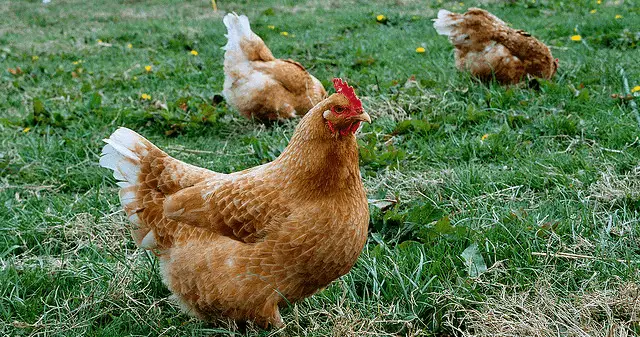
Raising free-range chickens is a hotly debated topic with many things to consider from both sides. Before deciding what to do, evaluating the pros and cons of letting your chickens roam free is best. Several of our neighbors raise chickens, and most of them do so with coops surrounded by fully enclosed runs. In some cases, they don’t have the 2 acres to homestead with like we do, often only one half-acre, so keeping free-range chickens from straying to the neighbors is much more difficult. Then there are those backyard chicken farmers like our neighbors to the north of us, who breed show chickens and heirloom breeds to sell. The last thing they want is a bad boy from the wrong side of the tracks, mixing with their girls. On our little urban homestead, we raise our chickens differently than many seasoned chicken farmers. We are not experts, and our system is imperfect, but it has worked for us for several years. But as with anything else, it does have its drawbacks. The Benefits There are many benefits to having free-range chickens. When chickens roam free, they are exposed to fresh air and sunshine, which benefits most living beings. But more than that, free-ranging allows your chickens to forage for their food, which is a natural instinct. The Drawbacks While I wish I could tell you everything is great about letting your chickens free range, it’s not. You must consider some negative points before deciding if free-ranging is for you and your flock. A Middle Ground to the Debate The issue of free-range chickens versus a caged run is not so black and white and has several options for both sides. There is a middle ground that incorporates a little of each side of the debate. Fenced In Yard This is the middle ground we chose: the fenced-in chickens. Our backyard is bigger than most. With two acres, we have one acre in the back, completely fenced in, with 6-foot privacy fencing on all sides. This gives our flock lots of room to roam and forage for food. In addition to having a huge, fenced-in area, we only part-time our free-ranging. Even with a fenced-in yard, our chickens only free-range while we are there to keep an eye on them. Sometimes, this may be all day, or other times, just a few hours, and not always every day, though we try to let them out at least a few hours. This is because even in our suburban area, we have a lot of predators like coyotes, raccoons, and neighborhood dogs. When our chickens are free-ranging, we leave the gates to the chicken runs open, allowing them to go inside the run if they feel threatened for any reason. By nature, chickens are homebodies. As much as they love to forage, they have the instinct to stay close to their protected roosting areas where there is protection and plenty of food and water. When the sun sets, they head to the coop without our encouragement, and then we lock the gates for the night. Occasionally, we may have to track a stray down, but that is rare. While this is not a fool-proof way to free range, it works well for us. Unfortunately, our world is not predator-free, and even with all the barriers and being close by when the flock free-ranges, losing part or all of a flock is still possible. Predators can find a way into the most secure areas even when humans are near. The lure of a food source is stronger than the fear of human contact. The choice of free-ranging and how to do it is an emotional decision that needs careful consideration. Using a Mobile Chicken Tractor If you decide to let your chicken free range is not for you, the next best thing is the mobile chicken tractor. A chicken tractor gives the benefits of foraging for their food while being protected in an enclosed environment. A mobile chicken tractor keeps your flock out of the garden and is moveable to new areas daily to prevent overworking one area, keeping your grass and foliage healthier. Chicken tractors can be purchased ready-made in various shapes and sizes, depending on your needs. The cost will set you back anywhere from $150.00 to $1,000.00. You can make your mobile chicken tractors for a fraction of the cost. I highly recommend two resources for chicken tractor and coop plans. One of the most versatile sets is called Green House Style Chicken Coop. Easy Coops offers this fantastic tractor plan and a vast selection of other moveable and stationary coops. They also offer a free basic and deluxe plan that includes material cuttings, additional blueprints and illustrations, and more. These plans are great for the small backyard chicken farmer to the full-production poultry grower. The cool thing about these plans is they are multi-functional for uses other than chickens. In addition to using them for raising meat chickens or egg layers, they work great as a cold frame or a fort for the kids. Conclusion Whether you are raising free-range chickens or not, most backyard chicken farmers can enjoy success. Not everyone can free range because of space, predators, landscaping, or neighbors. Providing a safe, clean environment and enough fresh water and food is all you need for a happy and healthy backyard chicken flock.
What Every Chicken Coop Actually Needs
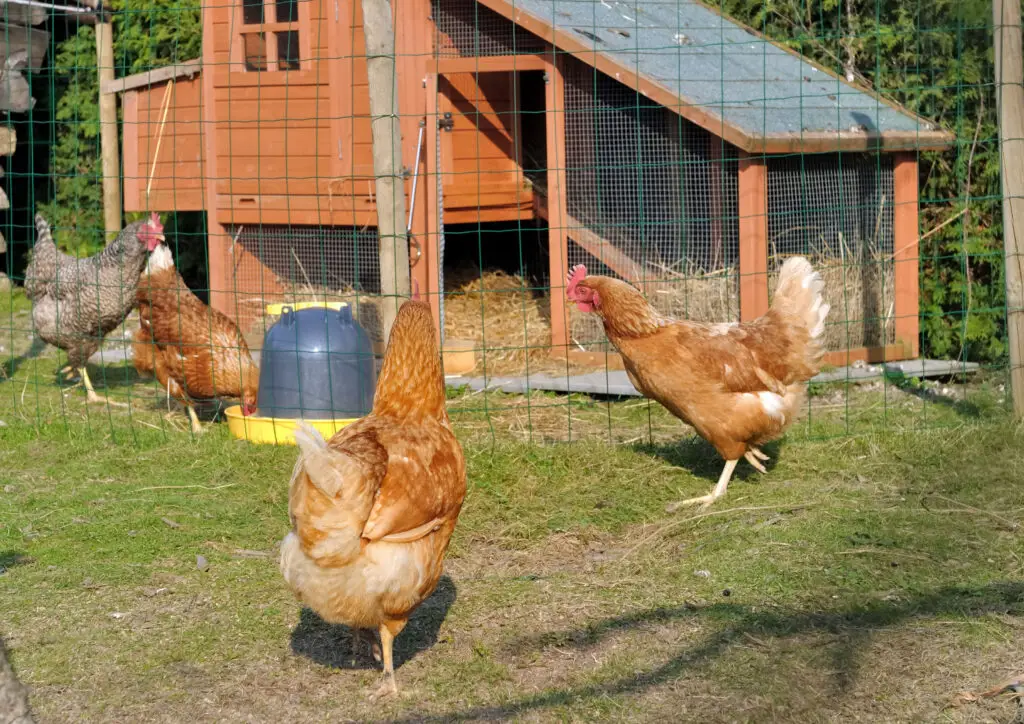
Disclosure: This post may contain affiliate links. If you purchase through these links, I may earn a small commission at no extra cost to you. A chicken coop doesn’t need to be fancy, but it does need to work. Believe me, your chickens won’t care if the wood is reclaimed barn board or fresh from the hardware store. In fact, our first chicken coop was made from used lumber we got from a neighbor who had torn down an old deck and used plywood found dumped alongside the road. We not only built a chicken coop, but also helped clean up the area near our home. Chickens care about four things: shelter from weather, safety from predators, a place to lay eggs, and a perch to sleep on at night. That’s the whole list. Every decision you make about your coop, whether you build it from scratch or buy one ready-made, should serve one of those four needs. Get them right, and your flock will be healthy and calm. Miss one and you’ll deal with stressed birds, broken eggs, or worse. Here’s what to plan for, section by section. As our flock grew, the coop graduated to a larger and fancier coop and pen. See New Chicken Coop and Pen on the “Cheep” for another great idea for making an inexpensive coop. Start with the Basics of a Roof, Walls, and Door Start simple. A coop needs a roof, four walls, and a doorway. The materials and style are your call. Wood, metal roofing, and repurposed pallets all work fine. The main rule is that the structure stays draft-free while still allowing airflow. Chickens handle cold better than most people think, but a drafty coop in winter will make them sick. If you live in an area with a lot of predators, you will probably want to close your hens in at night, but let me tell you, closing the coop door every night can be a pain. My Chick Cozy automatic coop door was the best money I ever spent for my girls. It is something to consider. Just set the timer, and it closes them in. Size the coop to your flock. Plan for 4 square feet of floor space per full-size chicken and 3 square feet per bantam. These numbers matter. Crowded birds get aggressive and stop laying. And think about cleaning before you finalize your design. Keep your chicken coop in top shape with our Chicken Coop Maintenance Tips. Protection with a Smart Coop Security: The Part You Can’t Skip Predator-proofing is the most important job in any coop build. Raccoons, coyotes, foxes, hawks, and rats all want what’s inside your coop. When planning your coop security, you need to consider all threats from the sides, top, and underground. · Walls and run fencing. Skip the standard chicken wire since the holes are too large. A raccoon can reach right through and grab a hen. Use ½-inch hardware cloth instead. It keeps everything out. · Overhead cover. Hawks are a real threat in most areas, and an open-top run puts out a welcome sign. Cover the top of your run with the same hardware cloth you use on the sides. · Ground protection. Rats and mice will burrow under your coop to reach the feed and droppings. To reduce the threat, use a coop with a built-in floor, or bury hardware cloth at least 12 inches from the base on all sides. That stops diggers cold. The Outside Run Chickens need time outside. They scratch dirt, take dust baths, chase bugs, and lounge in the sun. A run protects them and gives them the space for their favorite activities. Plan for 10 square feet of run space per full-size chicken. Bantams need about 7 square feet each. If your birds free-range during the day, you can get by with a smaller run since they’ll only use it at night and on days you keep them penned. Keep your coop in the best shape possible by reading my Chicken Coop Maintenance Tips. Nesting Boxes No nesting boxes, no eggs. Or rather, you’ll get eggs, but it is a matter of finding them. Hens will lay on the ground, in corners, and in places you’ll never find if they don’t have a proper box. Each box should measure about 12 by 12 inches and sit a few inches off the ground. The standard ratio is one box for every four laying hens. Keep the sides low enough for hens to step in and out easily, and line each box with clean straw or shavings. Roosting Perches Chickens don’t sleep on the ground if they can help it. They roost. Your coop needs at least one perch, and an outdoor perch in the run is a good idea, too. Allow 5 to 10 inches of perch space per bird. If you install more than one bar, stagger them like a ladder. Place the highest bar several inches above the next one down. Chickens will compete for the top spot, and the staggered setup gives every bird a place to land. The Bottom Line You can spend hundreds on a beautiful pre-built coop or prefab kit, or build one from scrap lumber over a weekend with little investment other than your time. Either way, the checklist is the same. You want solid walls and a roof, predator-proof fencing on all six sides, nesting boxes, a roosting perch, and enough outdoor space for your birds to act like birds. Cover those five items, and your flock will thrive, and everything else is a bonus. Need more chicken coop info? Learn how to care for your coop with Chicken Coop Maintenance Tips.