Best Laying Hen Breeds

When we started raising backyard chickens, we put a lot of thought and research into the best laying hen breeds. Learning which breeds were best for our purpose saved us time and money by avoiding buying chickens unsuitable for what we wanted. Twenty years later, we know which breeds work best for us. So which is the best chicken for laying the largest eggs? Below is my pick for the 5 best laying hen breeds. Backyard Laying Hen Breeds All hens produce edible eggs, but which ones are the best egg-layer chicken breeds? I prefer brown eggs, so I base my breed choices on ones known for laying brown eggs. However, brown eggs are not healthier than white eggs: I just like brown eggs. The chicken’s diet controls eggs’ health benefits, the yolk’s richness and color, and the bird’s overall health. Many people argue that you can’t taste the difference between store-bought eggs and fresh eggs—I say, “baloney” – because the yolks are richer, more nutritious, and have a better taste than any eggs in the grocery store. Raising chickens organically and cage-free produces healthier and tastier eggs and meat. Once you try organic meat chicken, free of antibiotics, hormones, and other chemicals, you’ll never want chicken from the store again. Treats for Your Girls – They’ll Love Them 5 Best Egg Layer Hens Rhode Island Red: This is my favorite layer due to their medium-sized brown eggs and above-average laying rate. Being cold and heat-hardy, Rhode Island Reds are suitable for any climate. They are easy to care for because they adapt well to a penned or free-range environment. Reds are aggressive, so be careful what breeds you place them with. This dual-purpose breed is well-known for both egg production and meat. If you want a do-everything breed, the Rhode Island Red is the one to pick. Leghorn: These chickens lay extra-large white eggs, producing over 300 a year. Even with their smaller size, they make an excellent dual-purpose chicken, using them for meat once their laying production declines. If you want a meatier chicken go with the Plymouth Rock. Their egg production is lower but they are a large chicken, with an average weight of 10 pounds. While I prefer brown eggs, I always include a few Leghorns for their terrific laying rates. Buff Orpington: This breed has above-average production of large brown eggs. Their friendly nature and cold weather hardiness make them excellent beginner chickens. The Orpington is a good brooder and a wonderful mother if you plan to raise chicks. They also make good pets; I wouldn’t have a flock without one or two Orpingtons. However, other birds pick on them because of their docile nature, so they don’t do well with aggressive breeds. Black Star: The hens are above-average layers of large brown eggs and begin lying around five months. They are a hardy breed and easy to raise. These hybrid chickens are a cross between Barred Rock hens and Rhode Island Red roosters. The chicks are easily color sexed, meaning you identify males and females by color. The males are black, while hens have gold plumage on their necks and breast. The Black Star is another good beginner breed with a calm nature, making them good pets. Ameraucana: Also known as Easter Eggers, these backyard chickens lay eggs in shades of blue, blue-green, green, and cream. These easy-to-handle birds lay medium-sized eggs, are winter hardy, and have average to above-average egg production. Ameracuanas adapt well to confinement or free range and are calm and non-aggressive, making them good family chickens. Your kids will love collecting the colorful eggs. ? Best Laying Hen Chicken Breeds ? Chicken Breed Egg Laying Stats Rhode Island Red Approx. 200-300 eggs/year Leghorn Approx. 280-320 eggs/year Buff Orpington Approx. 180-220 eggs/year Black Star Approx. 240-280 eggs/year Ameraucana Approx. 180-200 eggs/year Brought to You by thebackyardchickenfarmer.com ? Our Conclusion Try various breeds for your backyard flock. Finding the best egg layer hens starts by understanding your desired results. If you want meat and egg layers, I recommend including dual-purpose chickens like the Leghorn and meat chickens like the Plymouth Rock. A flock of three to four hens gives a family of four an adequate amount of eggs, but I always have a flock of ten, usually more.
Predator Proof Chicken Coop

Protecting chickens from predators is such an important topic, and a predator-proof chicken coop is vital to flock safety. This article helps you determine the type of predators you have and find what works well for safeguarding backyard chickens. In the natural food chain theme, chickens have no predator defense other than some distrust, unlike most animals. Whether predators are wild or domestic, chickens are the perfect prey because of their slowness and the amount of meat on their bodies. Living in the suburbs or city limits does not mean you’re predator-free. Domestic animals, like prowling dogs and cats, threaten the backyard flock as much as wild predators are to the farm flock. How to Protect Chickens from Predators How you protect chickens depends on what predators are in your area. Different predators need different methods of protection. Understanding the types of predators posing a threat can give your chickens better security while reducing losses. If you are unsure of the predator types in your area, talk to your neighbors or contact local authorities or animal control. There are several defenses for protecting your chickens from predators. Protecting your flock from predators is an ongoing job. Whatever options you choose, predator protection must be inspected and maintained often. In most cases, more than one or even all of these predator protections are necessary for protecting your flock. Whether you live in the city or rural areas, predators threaten all chicken flocks and their eggs. I receive commissions for purchases made through links in this post.
The 5 Best Meat Chicken Breeds
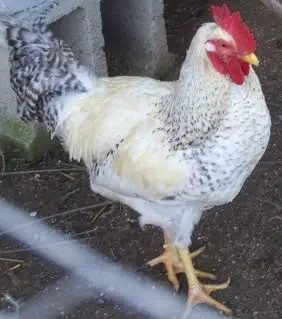
Are you thinking about raising meat chickens in a backyard and wondering which meat chicken breeds are best? With the growing popularity of raising backyard chickens comes an increasing interest in raising meat chickens. Dual-purpose chickens, those yielding both eggs and meat, are the most popular. But many backyard chicken farmers are turning to meat chickens for their better flavor. Like egg layers, a different result comes with different meat chicken breeds. Choosing the best meat chicken breeds depends on what you’relooking to achieve. Best Breeds for Raising Meat Chickens in a Backyard Broilers Broilers are chickens raised specifically for meat. They grow much faster than egg-laying hens or dual-purpose breeds. Most broilers have a fast growth rate, high feed conversion ratio, and low activity levels. In five weeks, broilers can reach a dressed weight of 4-5 pounds. Usually raised for meat and egg production, dual-purpose breeds are smaller with a slower growth rate. Cornish Cross The Cornish Cross is an excellent, fast-growing broiler. Harvest time for a 4-pound broiler usually is 7 to 8 weeks. Their body makeup is superb, with broad breasts, large legs and thighs, and rich yellow skin. Jersey Giant Originating in the United States, this bird was developed to replace the turkey. A purebred chicken, the Giant’s weight averages 11-13 pounds. Jersey Giants grow slower than other meat birds, about six months to full maturity, making them undesirable to the commercial industry. While initially a meat chicken, today, the Giant is prized as a dual-purpose bird, laying extra-large brown eggs. Heritage / Heirloom When describing Heritage chickens, the words heirloom, old-fashioned, and antique come to mind. The American Poultry Association began defining these breeds in 1873, setting standards for birds as being well adapted to various climates, hardy and long-lived, and reproducing at a rate to provide a protein source to the growing nation. As chicken breeding became industrialized, fast-growing hybrids replaced these breeds. Today, more than three dozen chicken breeds are in danger of extinction. To avoid irreversible loss caused by the end of a breed, The American Livestock Breeds Conservancy sets standards for marketing these as Heritage. I love Heritage breeds, preferring them to the newer, fast-growing breeds. They are large, meaty chickens, and many also produce many eggs. I usually buy my Heritage breeds online since they are harder to find locally than more popular breeds. Heritage Chicken Breeds: Campine, Chantecler, Crevecoeur, Holland, Modern Game, Nankin, Redcap, Russian Orloff, Spanish, Sultan, Sumatra, Yokohama, Andalusian, Buckeye, Buttercup, Cubalaya, Delaware, Dorking, Faverolles, Java, Lakenvelder, Langshan, Malay, Phoenix, Ancona, Aseel, Brahma, Catalana, Cochin, Cornish, Dominique, Hamburg, Houdan, Jersey Giant, La Fleche, Minorca, New Hampshire, Old English Game, Polish, Rhode Island White, Sebright, Shamo, Australorp, Leghorn- Non-industrial, Orpington, Plymouth Rock , Rhode Island Red – Non-industrial, Sussex, Wyandotte , Araucana, Iowa Blue, Lamona, Manx Rumpy (Persian Rumpless), Naked Neck (Turken). Preferred Heritage Meat Chicken Breeds: Delaware—A heavy-bodied bird, the male can weigh up to 8.5 pounds and the female 6.5 pounds. Originating from the U.S., Delaware is hardy in heat and cold and matures quickly. The meat is delicious, and the hens lay jumbo eggs. Delawares have calm and friendly dispositions. Dorking – This relatively calm bird is non-aggressive and does well around children and small dogs. Another dual-purpose chicken, theDorking is a superior table fowl with tender flesh, meaty breasts, and wings. It is a productive winter layer, providing a steady egg supply when other breeds are not laying. Good broody hens and excellent mothers stay with their chicks much longer than other breeds. Buckeye is the only American breed exclusively created by a woman, developed by Mrs. Nettie Metcalf of Warren, Ohio. This dual-purposebreed is very cold weather hardy and adapts to various living conditions. However, they are very active and do not do well in confined spaces, adapting best to free-range. Hens lay medium-sized brown eggs and weigh an average of 6.5 pounds; roosters average 9 pounds. Conclusion When you plan to raise meat chickens in a backyard, consider your backyard space and setup and the time you must devote. You can use most backyard chicken breeds for meat chickens, but each breed differs in flavor and meat texture. The backyard chicken breeds in this article are suitable for the table. Check out our article Raising Meat Chickens for more information about meat chickens.
Baby Chicks: 7 Places to Get Them
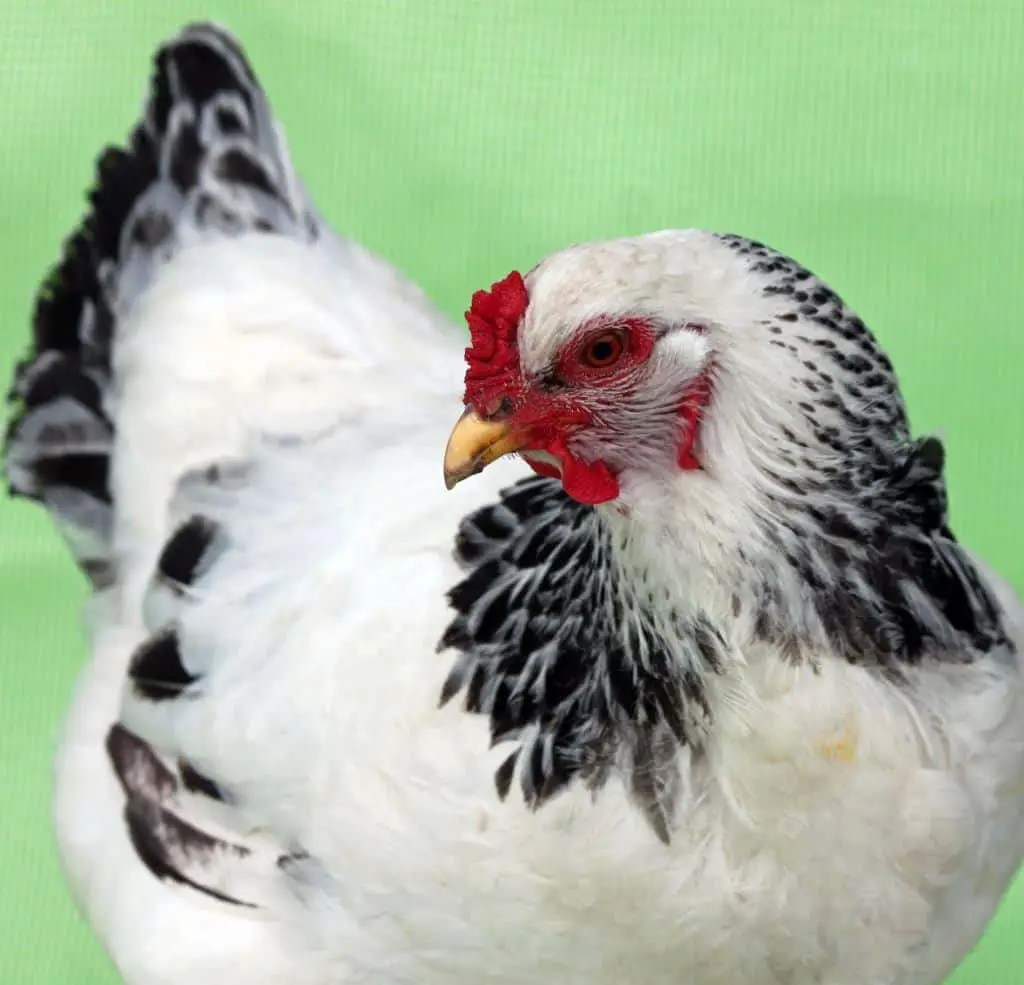
Even though it’s still cold in different areas of the country, now is the time for planning and buying baby chicks for eggs and meat. If you’re at the stage of building your flock, it means you already know what chickens you want to raise. Whether you want laying hens or meat chickens, you will not have a successful backyard chicken farm if you don’t know where to get high-quality chickens. Those new to raising chickens may need help knowing where to buy a flock. The problem is that there’s very little condensed information about hatcheries and breeders. In this article, we list our favorite hatcheries with a synopsis of each one and what they offer. We also include the difference between breeders and hatcheries and which is best for your needs. Buying Baby Chicks: Hatcheries vs. Breeders Choosing a breeder or a hatchery depends on what you plan for your chickens. If you’re looking for egg layers or meat chickens, a hatchery is your best choice for buying baby chicks. But if you plan to raise show chickens, like the Brahma and the Cochin, a breeder is the best way to go. One misconception is that breeder chickens don’t lay as many eggs as those from a hatchery. On the opposite end of the spectrum, others say chickens from a breeder lay better: total BS on both accounts. A chicken has X number of eggs during their lifetime, with their most prolific laying period from one to four years. Once they lay the predetermined number of eggs, they quit laying. The number of eggs you get depends on the chicken breed and not who hatched the egg. Rhode Island Red and Leghorn hens lay 250-300 eggs yearly, while Delaware and Easter Eggers only lay 150-200 eggs yearly. Hatcheries You can find hatcheries in different states, with most willing to ship their baby chicks to you. Most offer a variety of breeds, including layers, meat chickens, Bantams, and exotic birds. It’s not always possible, depending on what we’re looking for; we prefer using a hatchery close to us. Commercial hatcheries have a continuous assembly line of hatching eggs, with thousands of chicks born each week. Once you place your order, day-old chicks are shipped to the post office closest to you and delivered within 72 hours. Our favorite hatcheries:
Heritage Chicken Breeds
Heritage Chicken Breeds History Chickens and their eggs are a main part of the American diet. Since making their first appearance with Spanish explorers we’ve seen breeds developed specifically for enhanced meat and egg production. In 1873, the American Poultry Association published chicken breeds defined by the Standard of Perfection. The standard breeds defined adapted easily to production outdoors, in different climates. These early birds, or Heritage Chickens, were long-lived, hearty breeds with their reproduction a protein source for America’s growing population until the middle 1900’s. When chickens became industrialized between 1940 and 1960, the Heritage breeds were less prominent. Hybrid breeds, with their ready from chick to table in 8 weeks, became dominant to satisfy public demand. Today, many Heritage breeds face extinction with more than 3 dozen on the Livestock Conservancy’s endangered list. Heritage Chicken Breeds Standards The Livestock Conservancy issues strict guidelines for breeds defined and marketed as Heritage Chickens and they must meet all set forth standards to qualify. A Heritage Breed comes from an American Poultry Association Standard Breed, both parent and grandparent stock. Naturally mated through breed pairs of both parent and grandparent. Genetic ability for a long and vigorous life, thriving in pasture-based production. Heritage Chickens must have a slow growth rate, with market weight taking a minimum of 16 weeks. More of What Makes Heritage Chicken Breeds Heritage Chicken guidelines also state labels must include the breed name and variety. This rule includes terms like old-time, antique, heirloom, and old-fashioned—all synonymous with Heritage Chickens. Chickens hatched from Heritage Eggs must come from Heritage Standard Breeds recognized by the American Poultry Association and established before the mid-20th century. 15 Better Known Heritage Chicken Breeds
Why Chickens Stop Laying Eggs
The most common reason people give for becoming backyard chicken farmers is the eggs. With growing concern over what goes into our food supply and some of the abhorrent conditions on factory farms, people are taking back control of their food production
Raising Show Chickens
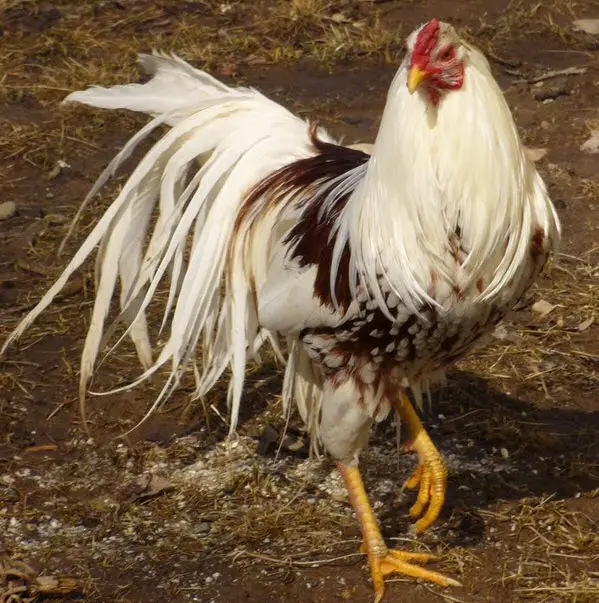
Raising Show Chickens and What I Need to Know Backyard chicken farmers raise chickens for various reasons with two of the most common being eggs and pets. However, with the rising popularity of raising show chickens, we need more information about this hobby. First Things First My best advice to anyone wanting to raise show chickens is: research—research—research. Besides reading articles on line and in poultry publications, talk to your local extension and 4-H offices. First you need to find out where the shows are and what criteria you’re required to meet. Show chicken judging uses various criteria and fixed standards for the breed includes: [ultimatetables 3/] Show Chicken Breeds There are many show breeds to choose from, but I am only going to list five of the more popular ones. Start with this list and research the judging criteria for these chickens. Roosters are normally chosen for show poultry because of their feather and coloring characteristics. For beginners, start out with only one or two breeds and don’t add another until you gain experience with these. This is the best advice I can give you yet many ignore it, eventually setting themselves up for failure. Silkie – Fluffy, silky feeling plumage, dark blue flesh and earlobes, and five toes on each foot, makes this chicken a favorite at poultry shows. They come in several colors including, white, buff, black, gray, blue, red, and mottled variations. They are the most docile with a calm and friendly temperament, making them ideal pets and show chickens. Something to consider before deciding to show Silkies is their high maintenance, making them less ideal for the beginner. Polish – Known for the crest of feathers adorning their head, the Polish were originally kept as egg layers but today are primarily kept as show birds. These tame chickens are timid and easily frightened because of limited vision caused by the crest which covers most of their head. This limited vision can impact their temperament. Houdan – Native to France, the Houdan is an attractive bird with many distinctive features. Like the Polish, the Houdan has a crested head and five toes. Their earlobes and wattles are small and hidden by the feathered bearding and crest. They come in two colors, white and mottled (black with white spotting). Silver Spangled Hamburg – This is a beautiful show bird with trim, stylish, and delicate features. They are good flyers and active, making them less suitable to confinement. As well as the silver spangled, Hamburgs are found in gold spangle and silver pencil color variations. Seabright – A true bantam, or miniature bird with no large version of the breed, is a beautiful ornamental chicken. Seabright is strictly an ornamental chicken, and boasts a specialist club for enthusiasts. The plumage on all Seabrights has lacy black edges on a silver white or dark gold base. Their legs are unfeathered with slate-blue skin while their combs, earlobes, and wattles are bright red. Seabrights are tame but males may become protective around hens, possibly turning on their owners however, this can happen with any rooster breed. My best advice if you plan to raise show chickens—always buy chicks and buy from a knowledgeable and reputable breeder. Hatcheries breed for quantity and their birds are not show quality. Your local extension and 4-H offices can help you find a breeder. Picking Your Show Chicken When deciding which of your chickens to show, good fit stock is essential. Always look for: Overall fitness and condition—sound plumage and good physical traits. Conformation or shape—comply with breed standards. Color—comply with breed standards. [callout title=Tip]When showing chickens, especially for children, it’s always good to have backup show birds. Sometimes, molting season comes during a show so backup birds of the same breed can fill in.[/callout] Family Fun As the cost of living rises, more people are looking for alternative family fun, moving away from expensive movies, concerts and other high priced events. With the rise in urban backyard chicken farming, raising show poultry is quickly gaining popularity. Raising show chickens is fun for the whole family and gives parents and kids some all-important bonding time. It’s a great, inexpensive hobby with competitions on the local, state, and national level. If raising backyard chickens interests you, then you’ll love the striking plumage, bright colors, and even some of the weird features of show chickens. Look for future posts about raising show chickens including how to bathe your chickens. Visit The “Chick” Boutique.