
Raising Chickens as Pets
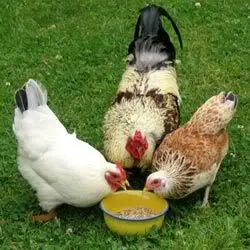
When you consider getting a pet, your first thought is a cat or dog. However, keeping chickens as pets is growing in popularity as people become aware of the advantages to having a small, backyard flock. Advantages to Pet Chickens Chickens are fun and educational: more interesting than TV. Like other pets, chickens have varying personalities. They provide hours of enjoyment as they interact with each other and their surroundings. Did you know you can buy diapers for your chickens so they can come in the house? Many breeds are easy to manage and tamed by hand-feeding and handling regularly. Some roosters, which many associate with aggressiveness, are tamable with proper handling. I don’t recommend getting a rooster until you’ve had chickens for at least a year and are comfortable with handling them. Besides the entertainment and educational value, chickens offer several advantages to their upkeep. Inexpensive—Chickens cost less than you think. Your biggest expense is setting up to house your chickens and that can be done relatively cheaply if you use your imagination. Follow our progress as we build a new coop and pen for $200 or less. As well as kitchen scraps, chickens need feed. Most feed costs between $10 and $15 for a 50 lb bag. Depending on how many chickens you have, one 50 lb bag may last for one month. I also provide mealy worms as treats in the wintertime. You can get a container for around $5. Chicks range from $3 to $10 and $10 to over $50 for grown chickens. The price of chickens depends on what you’re raising them for. I have seen grown show roosters go for $50, but for the average backyard chicken farmer, your chicks will cost around $5 each for good laying hens. I buy online from eFowl. They are located in California and have great service and healthy chicks. I just received a shipment of 15 new chicks: Orpingtons and Ameracaunas. They’re healthy, adorable and so much fun. Shipping is free for orders of 25 or more and only $9.99 for less than 25 chicks. Eggs—The best known advantage to raising chickens as pets is their eggs. What other pets do you know that feed their owners? Farm fresh eggs from chickens allowed to forage provide healthier eggs with lower cholesterol and higher amounts of Omega-3s. Allergies—If you can’t own a dog or cat because of fur and dander allergies, consider chickens. Pest Control—If you try to avoid chemicals and toxins for pest control, then chickens are your best bet. Chickens love bugs and quickly rid your yard of unwanted pests. It’s fun watching them play tag with their latest find; as soon as one drops the bug, the next one has it and the chase is on again. Natural Garbage Disposal—Don’t throw leftovers and out-of-date food away. Chickens will eat almost anything: vegetables, fruits, melons, greens, and bread to name a few. Never give them meat, eggs or anything moldy. My chickens are especially fond of beet greens (cooked) and melons. Mow Your Lawn—Do you have a spot you hate to mow? Let your chickens forage in different areas you want weed control; they’ll take it bare dirt for you. The Black Gold of the Chicken World—Chicken poop is the best fertilizer for gardens. Properly composted poop provides most of the nutrients your soil needs. We compost in the chicken pen. We place scraps, grass clippings, leaves, etc. in one corner and by the end of the day the pile is flat. We continue adding clippings and food stuff throughout the week then on the weekends, we rake the entire pen move everything outside in our composting pile that is close by then start all over. Chicken poop needs to set for at least six months before using or you will burn your plants. Start your compost pile as soon as your chickens move outside and you will have a nice fertilizer by the next growing season. Great Hobby—You can’t go wrong with raising chickens for a hobby. It’s easy and helps teach children pet ownership responsibility. Children and adults find interest in raising show chickens. There are many clubs and organizations offering competitions. It’s a hobby the whole family will enjoy. The breed of show chicken depends on your interest and the age of the person handling the chicken. If your children are going to show them, I suggest small breeds like the Bantam Cochin. If you have fancy in mind, try some of the Japanese breeds. Always practice proper sanitation and hand washing when handling chicks or any other pets. My Top Pet Breed Recommendations Not all chicken breeds make good pets. However, some are friendly and if well cared for may offer you 8 to 12 years of companionship. I advise avoiding roosters until you become an experienced backyard chicken farmer. In some breeds, roosters are aggressive and can hurt you or the other chickens in your flock. Ameraucana/Easter Egger This is the first of my two favorite pet breeds. Thought to have been developed in the United States, much of their popularity comes from laying blue or blue-green colored. Their non aggressive behavior makes them excellent pets for children. Ameraucanas are sometimes confused with the Araucana. Both have pea combs and red earlobes and lay blue/blue-green colored eggs. The Ameraucana is a different breed and recognizable by their facial muffs and beard, full tails, and slate or black legs. Ameraucanas come in large and bantam varieties with eight officially recognized colors by the American Poultry Association: White, Black, Blue, Blue Wheaten, Wheaten, Buff, Red Brown, and Silver. Most hatcheries only offer a mixed color selection. The ones that do offer a color choice are slightly more expensive. A full-size hen weighs 5 ½ pounds while a bantam hen only weighs 26 ounces. The large cock weighs in at 6 ½ pounds compared to its bantam counterpart at only 30 ounces. Orpington Named after Orpington, England the Orpington chicken is kept for
Heat Stress and Keeping Your Chickens Cool
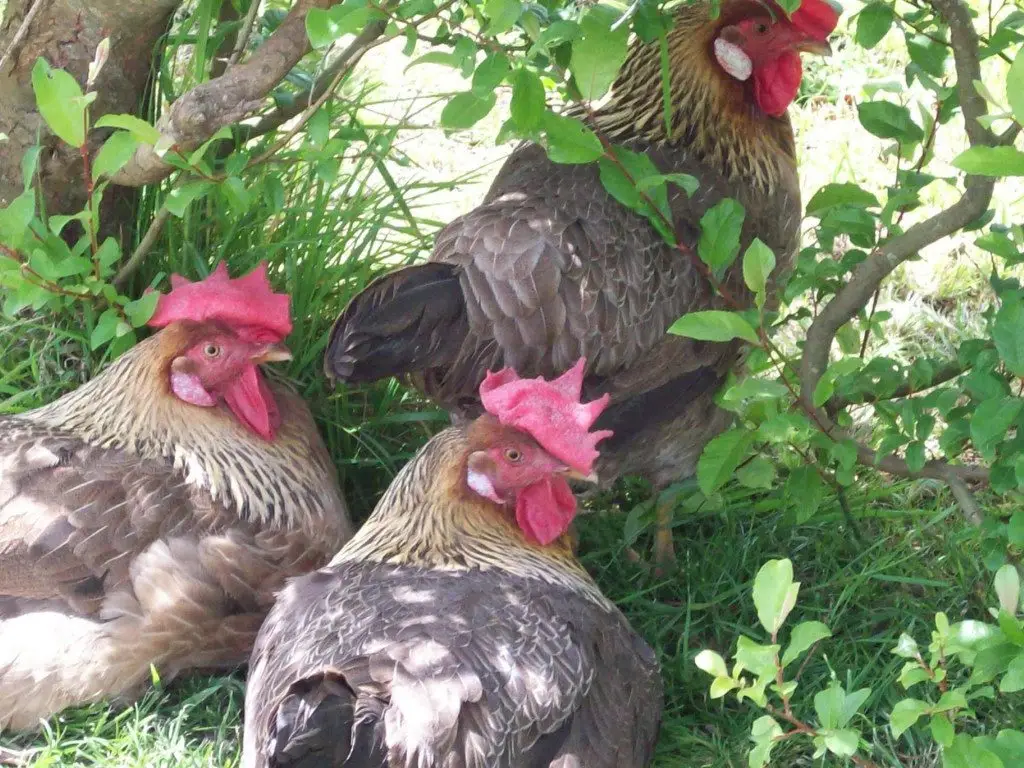
The snow is gone and warm weather is returning; it’s time to start practicing hot weather care for your backyard flock. Knowing how to prevent and treat heat stress and exhaustion is important during the hot summer months. Heat stress and exhaustion is one of the top causes of chicken death. For those new to backyard chicken farming, it is important you learn to recognize the signs of this serious condition and how to keep your chickens cool and hydrated. Chicks, especially, need extra attention to help them remain healthy. For a flock of laying hens, knowing how to prevent heat exhaustion and treat a chicken suffering heat exhaustion is important to preserving their health and the health of their eggs. Once your chicks are old enough to move outdoors, remain vigilant for signs of heat stroke, especially if it’s mid to late summer. Heat stress comes on quickly so it is important to watch them closely. Even older birds need supervision during the hot summer months. Signs of Heat Stress Like dogs, chicks and grown chickens pant to keep cool—the first sign they need shade and water. With heat stress, they are open mouth panting while spreading their wings and squatting close to the ground. They are trying to lose heat by adjusting their feather position. • Gasping and panting • Spreading wings • Lethargic and droopy acting • Extremely pale cones and wattles • Closed eyes • Lying down • Drop in egg production • Reduced egg size, egg weight, and poor shell quality • Increased thirst • Decreased appetite • Lost body weight • Increased cannibalism Laying hens are susceptible to heat exhaustion. Water is the main content of an egg. Laying eggs requires a lot of fluids so keeping your hens hydrated and comfortable is important. Egg layers also require large amounts of calcium to avoid soft eggshells. When hot, your hens may not eat as much so calcium consumption is low. Try adding small amounts of apple cider vinegar to their water 2-3 times a week. This helps to level their pH, making calcium absorption easier.[callout title=WARNING]Never give heat stressed chickens apple cider vinegar. Only give to chickens with no signs of heat stress.[/callout] Tips for Keeping Your Chickens Cool • Fresh, clean water access—I urge you not to use nipple style watering systems as the only water source, summer or winter. Chickens have a natural pecking order with those higher in the order blocking others from the water. Always have many water sources available. Use automatic waters or open pans of water. I prefer hanging the water slightly above the ground when possible to avoid dirt and debris from dirtying the water. • Cool the water down—Add ice cubes or blocks of ice to their water. This helps lower their body temperature. We use empty, gallon milk jugs for blocks of ice. These help cool the water for several hours. • Fruit cubes—Besides placing blocks of ice in their water, we place strawberries and red grapes in ice cube trays, fill with water, and freeze. We then pour the ice cubes in their water pan. They love pecking at the colorful cubes at they float in the water. • Watermelon—Our chickens love watermelon. During the hot part of the summer, I buy them a watermelon once a week. Watermelon is mostly water so it goes a long way to keep them hydrated. • Get a mister—For between $15 and $20, you can get a cobra water mister. Just set around your pen and the wind will carry a fine, cooling mist over your birds. • With the Oklahoma heat topping 100+ degrees for several weeks at a time, we invested in a large, high velocity fan. We connect an extension cord then place the fan under a nearby tree and point toward the chicken pen. Several of our chickens lay as close to the fan as possible, letting the air ruffle their feathers. Try positioning it so the air blows across your frozen water jugs. • Since our night temperatures aren’t much cooler than daytime, usually averaging 80° F, we place frozen water jugs in the chicken coop. We use 4-5 frozen jugs, and the hens like to lay close to them. We usually place them close to the roost and nesting boxes. • Feeding—As with people, chickens need a lighter diet during the summer months to help preserve a lower body temperature. Never feed your chicken scratch grains as just the act of digesting scratch increases body temperature. Their diet should consist of lots of fresh greens, fruits and vegetables. • Water is not enough—Providing water is not enough if your chickens are heat stressed. Water intensifies the problem by stimulating the loss of electrolytes: birds drink more increasing wet droppings which causes electrolyte loss and hastens dehydration. You must include a balanced electrolyte solution by supplying homemade electrolytes or Pedialyte or Gatorade with their water. Electrolyte Solution Found in The Chicken Encyclopedia: ½ teaspoon salt substitute 1 teaspoon baking soda 1 teaspoon table salt 1 tablespoon sugar 1 gallon water Note: Find salt substitute in the spice aisle of most grocery stores. Give the electrolyte solution for four to six hours each day for a week. Do not give to chickens that are not showing signs of heat stress. Find this recipe and instructions in The Chicken Encyclopedia by Gail Damerow. I strongly urge all backyard chicken farmers to add this book to their library. Gail discusses heat stress as well as giving her readers lots of useful information for raising chickens. [callout title=Tip]If you live in a hot climate, buy heat tolerant breeds. The same goes for people living with harsh winters, try keeping cold tolerant birds.[/callout]
New Chicken Coop and Pen on the “Cheep” – Step 2
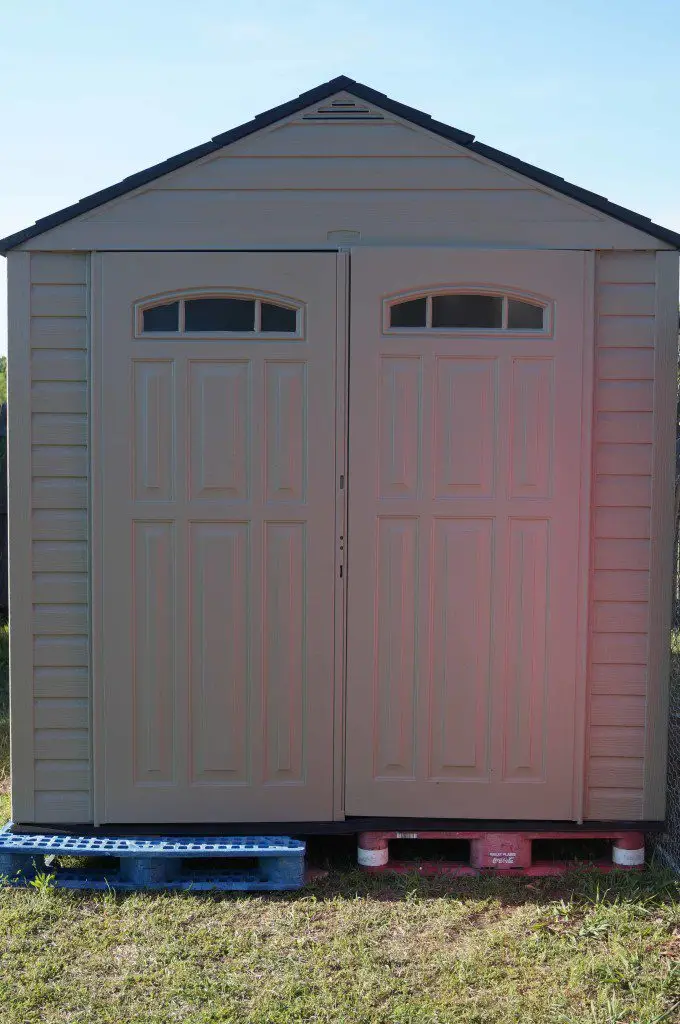
If you haven’t noticed by now, we bargain hunt, dumpster dive, repurpose and reuse; from Craig’s List to raiding dump piles along our back roads, anything is possible. Nothing is more obvious of our money saving ideas than our quest to build a new chicken pen and coop for $200 or less. I’m happy to report, we are meeting that goal. Craig’s List Find and the Plan of Action I must tell you, I’m addicted to Craig’s List; it’s a bargain hunter’s paradise. However, when using, always take extra safety precautions. We only meet sellers during daylight hours and we never go alone. A couple of weeks ago, we came across an advertisement for a Rubber Maid storage building: Like new condition with all parts including the instruction booklet…$100 or best offer. We offered $75 and have a nice, nearly new building for our chicken coop. The panels are slightly warped but will straighten out once we have the brackets and screws in. Our plan of action is simple, or at least we hope it is. The foundation of the coop is plastic pallets from hubby’s job: no charge. It has a plastic floor bottom making spring and fall super cleaning easy; just muck out then hose down. [callout title=TIP]When putting something together, read the instructions, it makes things much simpler. It’s amazing how easy it goes up when you put it together correctly.[/callout] There are four skylights in the roof, windows in each door, and vents in both the front and back peak. This will allow light for cleaning and egg gathering as well as providing ventilation. In the winter, we will cover the vents to keep it warm inside. Of course we have our supervisors during this procedure…meet Rocky, our Polish rooster. Rocky is part of the new chicks we added to our flock this year. Rocky likes to strut his stuff, but as you can see, the girls just ignore him. He isn’t crowing yet but I’m sure when he does, it will be impressive. We weren’t going to get any roosters, but Rocky and one other Polish were in the batch. We love Polish and couldn’t resist taking both of them. Cher is the female Polish (not pictured). She doesn’t have a large topknot of feathers yet like Rocky does. She is a beautiful reddish blond, much darker than her male counterpart. With the help of our excellent supervising team, we were able to get the building up in one day. Of course, if we had read the instructions first, we probably would have saved a couple of hours. Our next step is level it out so the door hangs properly, cut a hole in the side and add a ramp for the chickens to enter. The building is about 3 inches away from the fence so we need something to cover the chicken’s entrance to the building. We have an idea and will share that in our final post. We also need to finish the inside: add nesting boxes, a roost, and hang the waterer and feeder. Coming soon (hopefully next week) our final phase of Chicken Coop and Pen on the Cheep. [callout title=See How it All Began] Chicken Coop and Pen on the “Cheep” – Step 1[/callout]
Reasons for Not Raising Backyard Chickens
Anyone who knows me, knows I love my backyard chickens. What’s not to love? The happy clucking of a small flock as they peck around the yard or the delightful squawks as an unlucky worm is spotted for a midday snack. Then there’s the bliss of fresh eggs with their orange yolks and wonderful flavor. However, raising chickens is not all wine and roses; there are some distasteful aspects you should consider before jumping into backyard chicken farming. Consider Costs While we tractor our chickens to different places and feed them table scraps, we still have to supplement their diet with organic layer pellets. More costly than traditional pellets, organic will set you back about $20 for a 50-pound bag. With a flock of 10-15 hens, this will last about a month during the summer. In the winter, when fresh pickings are scarce, expect to double the amount. We prefer knowing their food is pesticide free making organic our only choice. Chickens are what they eat, so consider that before making the choice between organic and conventional laying pellets. Special Diets Throughout the different stages of their life, chickens need specialized diets. Without the proper nutrition, they will develop health problems like soft shell eggs or breaking feathers. I urge you to buy Storey’s Guide to Raising Chickens by Gail Damerow and The Chicken Health Handbook by Gail Damerow and Jeanne Smith DVM. These books are great reference books for beginners and experienced backyard chicken farmers alike. Early Risers Have you heard the saying, “up with the chickens”? Chickens are early risers; going to bed willingly at dusk while rising at first light, eager for their daily foraging. Since they are easy prey for predators, you must close the chicken coop door closed each night at dusk and opened the first thing each morning. If this cramps your style, consider getting an automatic chicken coop door opener. Just set it to open at dawn and close at dusk. Garden Chaos Many backyard chicken farmers let their flock free range. It produces healthy and nutritious eggs and meat, while giving you happy chickens. When free ranging, they forage for food just about anywhere including the garden. Besides mowing your lawn, they love to scratch through mulch to uncover hidden treasures underneath. Chickens can decimate a garden in a matter of hours. I suggest directing them to your compost pile as they are great for turning and stirring up your mixture. My best advice: anything you don’t want eaten, fence in. Necessary Cleanup For being so small, it’s amazing how much waste a small flock of chickens produce. It’s necessary to clean out your chicken coop weekly. So what do you do with all that chicken poo? With a NPK rating of 1.1-.80-.50, chicken manure is an excellent fertilizer when composted for 8-9 months before using. Using raw chicken manure will burn your plants when not composted. Natural Mothering Instinct Whether you have a rooster for fertilized eggs or not, hens have the innate need to nest; known as being “broody”. When not nesting, hens display a phantom motherhood with fluffed feathers and protective attitude. In their protectiveness, they often lay eggs in hidden places making egg gathering difficult at times. Your chickens may even develop an egg eating habit so it’s important to look for eggs twice a day more often if your egg production declines. Easy Dog Targets Dogs are a chicken’s worst enemy; with a born preference for killing chickens, dogs rarely eat their kill but do it for the sport. Having a fenced yard or watchdog is important for keeping neighborhood dogs out. Egg Laying Strikes Sometimes it seems like your hens are on strike with few to no eggs laid as they lay around in cool patches, not producing. I guess when you think about it, laying eggs is hard work and everyone deserves a break every once in a while. This is common for most chickens and laying resumes after a day or two. However, in the winter months or hot weather, your hens may not lay at all. Regardless of these reasons for not raising chickens, I can’t imagine not having such wonderful creatures share our homestead. They provide our family with nutritious eggs and meat, are a natural pest control, great composting and fertilizing machines, and provide hours of entertainment. The good we get from our chickens outweigh the bad. I urge anyone considering a backyard flock to fully weigh the pros and cons of being a backyard chicken farmer. It’s vital you know ahead of time what raising chickens actually entails.
Raising Meat Chickens in Your Backyard
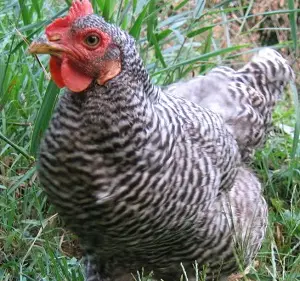
If you have been considering raising backyard chickens for meat, but just need a little push form logic before diving in, maybe I can help. The popularity of backyard chicken farming is growing each year with few signs of slowing down anytime soon. The idea of sustainability, self-reliance, and healthy food sources has people embracing this hobby. Many like the idea of producing their own food giving the security of knowing they can take care of themselves and their loved ones. We raise chickens for both meat and eggs. Besides buying chickens specifically for meat, we use the laying hens once their egg production stops. I urge everyone to raise laying hens, however I also suggest careful consideration before raising meat chickens. The most important question to ask yourself is; “Can I do this when the time comes?” Recommended Reading If you are thinking about raising chickens for meat, this is a must read. After 20+ years of raising chickens, there are still tears at the killing station. My husband and I have great affection for chickens, so when we slaughter for meat, it is because of that affection. We know that our chickens lived well and died quickly and humanely. In keeping with my husband’s Cherokee teachings, we give thanks to them for sustaining us. If we didn’t feel so deeply about giving all life respect, we would buy our chicken from the store. Never overlook all aspects of raising chickens. Becoming emotionally attached to your chickens is a possibility, making butchering difficult. Do some introspective thinking about whether you or your family will have difficulties with this. You always have the choice of taking your birds to a butcher, but this will add to the cost of raising your chickens. Best Breeds – My Experiences So what breed is best for meat chickens? I’ve heard this question many times. Whether you want better sustainability or just a bird to roam with your hens without adding extra chores, picking the right breed is sometimes difficult. Dual-Purpose Dual-purpose chickens are not meat or egg chickens; they are both. Many of your dual-purpose chickens are heritage breeds, consisting of both rare and not so rare birds. Usually, the layers don’t lay massive amounts of eggs but lay steadily throughout the year. The males dress out with a weight of about 5 pounds after 20 weeks; the hens are slightly smaller at 3 pounds. We like to process our males at 16 weeks because with a smaller bird, the meat is leaner. I like the way the smaller birds cook more uniformly. Dual-purpose chickens are a perfect starter bird and I recommend trying them for meat chickens before moving to faster growing chickens like the Cornish X or Cornish Rock. For those living outside the United States, here is a listing of dual-purpose breeds in your country. Advantages • Most dual-purpose chickens are good for any suburban farm space and are aggressive foragers, making them excellent free rangers. • If you process before 24 weeks, their meat is flavorful and tender: if kept longer, the meat becomes tough. We normally keep Rhode Island Reds and Black Star hens for laying. When they get too old for laying, we butcher them for soup chicken and at 4 pounds dressed, they make a good amount of meat. Disadvantages • If you plan to sell your dressed birds, their smaller carcass weights might make them harder to market. • They have less overall meat compared to standard meat breeds and the feed to meat ratio is substantially higher. • It takes longer to process the chickens for meat which may be too long for people with busy lifestyles or short growing seasons. • With their harder keel bone, dual-purpose chickens are difficult to process while older birds have hair which needs singing to remove. Cornish X Rock or Broilers Cornish X Rocks are the favored commercial farm chickens because of their feed to meat ratio: 1.9 pounds of feed to meat ratio makes a commercial dream. For a backyard chicken farmer, these chickens have a 2.5 pound ratio because of the lack of facilities and equipment.These birds are genetically superior through selective breeding with the sole purpose of processing in 6-12 weeks. If you want birds with short growing periods, then this breed is what you need. White feathers, light skin, and a short squatty stance are good characteristics of a meat bird. Advantages • Chick price is cheap, sometimes 60¢ during spring sales. • Fast growth rate with an average weight of 4 pounds with both males and females making excellent meat birds. • Excellent feed to meat ratio of 1.9-1. • Body contains soft bones with easy to access cavities. • Easy to pasture in tractors and will forage for up to 25% of their food. • If raised correctly by the backyard chicken farmer, whether on pasture or in confinement, Cornish X Rocks don’t face many of the health problems commercial birds do, like, leg problems and heart failure. Disadvantages • Not good for sustainability. Must buy new chicks each year because letting them mature to breeding age is costly; the feed cost is more than the chicken’s worth. Dual-purpose breeds are better for sustainability. • Care is time-consuming because of leg and joint problems from overfeeding and not enough exercise, making them unwilling to forage. This also contributes to heart problems and early death. • Birds are not willing free rangers and must have food withheld to force them to forage. They don’t venture far from the feeders. • Must keep Cornish Xs separate from other chickens because of their different needs of feed and pasture. This is time-consuming and may not fit into some people’s lifestyle. • Frankly, these birds are ugly and go through an awkward growing stage. Their plain white feathers is an unappealing to poultry lovers accustom to bright, colorful birds. Freedom Rangers Freedom Ranger chickens are slower growing than the Cornish X and prettier to look at
New Chicken Coop and Pen on the “Cheep” – Step 1
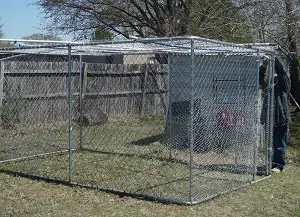
We decided to build a new coop and pen for our flock. The old coop is about 10 years old and in need of repair. Plus, we want the coop closer to the house. Sitting at the back of our two acres, the old coop is a cold and wet walk during the winter. Now, it’s time to build new and tear down the old. We don’t want to spend a lot for the new coop so we set ourselves a budget of $200 or less. A lofty goal but doable for us. We are masters at repurposing and finding items cheap or free. So, we’re off and to a good start, I might add. As we progress through our journey of building on the “cheep”, I will bring you with us, updating this post as we move forward with pictures and a supply cost list. So return often to see if we do it. Let’s Begin Sunday, April 14, 2013 We’ve accomplished a lot today. I’m amazed at how quickly the pen is coming together. We have a few small things left to do, but for the most part, the pen is complete. I even have dinner in the oven. How’s that for having a productive day? You know I told you we were cheap, repurposing whenever possible; well how about spending $51.37? The only thing we bought for the pen was a 150’ roll of poultry wire at Lowe’s. In the first step of our “cheap” chicken pen and coop, we are repurposing an outdoor wire dog kennel: cost…$0. We rescued this pen off a neighbor’s trailer as he was heading to the dump. He no longer has dogs so he no longer needs the dog kennel. We saved him the energy of removing the kennel from the trailer and he saved us over $200: a win-win situation. The dog kennel measures 7 feet across, 13 feet long and 6 feet high; a good size for our six hens. We plan to expand it in the near future but is adequate for the girls right now. If you don’t want to drive around town looking for dog kennels being thrown away, you can buy a new one. Amazon offers Lucky Dog 4-by-10-by-5 Foot CL41098 Easy Ship Chain-Link Box Kennel for $271.00. This is a great buy and good investment. These kennels are sturdy, easy to assemble, and will last a long time; probably 10-15 years or more. They may not work well for dogs but are great for chickens. Around the outside and over the top, we connected chicken wire. Before we move the girls into their new home, we will place compressed pegboard material around the bottom to keep predators from digging underneath the kennel (we have an unlimited supply of this from hubby’s work). I also recommend placing chicken wire over the top of your pen, especially if you live on city outskirts. Certain birds like hawks and crows are predators and if the top is not covered, they will take your chickens. Even if you live in the city, securing the top of your pen is a good idea. [callout title=Recommended Reading] Storey’s Guide to Raising Chickens: 3rd Edition (Storey’s Guide to Raising Series)[/callout] To support the top wire covering, we used small pvc piping we found dumped along the back road to our house. We also found a roll of galvanized, 18gauge wire which we used to secure the poultry wire to the kennel. Any type of wire will work; baling wire, metal close hangers, fencing wire, etc. There’s no need to pay for wire when you can find it for free, just about anywhere. [callout title=Chicken Pen Supplies and Prices]Outdoor dog kennel – Free Poultry wire – $51.37 PVC – Free Miscellaneous wire for connecting – Free Compressed pegboard material – Free Total Cost: $51.37 [/callout] Our next step is building the coop. We will place the coop on the back of the pen with the coop front inside the pen. It will be built on stilts so our chickens can set underneath out of the sun, with a chicken run going from the coop to the yard. On the back we plan to place doors to open so we can gather eggs and change out the bedding. Come back to see us as we start the chicken coop in the next week. Hopefully our coop will be a “cheap” project as well. [callout title=Follow Us With Step 2] New Chicken Coop and Pen on the “Cheep” – Step 2 [/callout]
Bring on the Eggs
Warm Weather – Flowers – and Eggs I love this time of year; it’s not spring yet and winter lets us know, he’s still around. Yet, anticipating a green landscape freckled with colorful flowers, gives me something to look forward to in a few short weeks. The excitement of things to come makes me smile as the days slowly warm with lingering sunlight. It’s also the time of year we start planning. Right now, we’re planting seeds for our container gardens and planning out where everything will go. It’s also the time of year my hens start producing more eggs. While we gather eggs year around, except for in extremely hot or cold weather, spring and fall are our biggest egg production seasons. With my excitement for spring comes the duty of a responsible backyard chicken farmer. As well as the well-being of our flock, knowing about the eggs they produce is just as important. The Laying House – The Coop and Nest Because of the direct relationship to the condition of your eggs, I must mention flock management. While feeding your birds a balanced ration is important, coop and nest management is also important. • Chickens like to hide their eggs and pick some of the strangest places to nest. Because of this, I recommend keeping your flock in a fenced area. By letting your hens nest wherever they choose, there’s a higher risk of broken eggs and knowing how old the eggs are is difficult. • Clean, clean, clean, and more clean. Keeping the nest area clean and dry makes for better eggs. Muddy runs and damp, dirty nesting material results in dirty and stained eggs. I recommend cleaning the laying area once a week however, a minimum of two weeks is okay, making sure you remove all wet litter and the run has good drainage. • For a small flock of 15 hens or less, you need a minimum of four nesting boxes while larger flocks need 1 nesting box for every 4 to 5 hens. Make sure the nests have a deep clean layer of litter which helps control egg breakage and absorbs waste. Egg Collection Chickens are early layers with most of the eggs laid by 10:00 am. If possible, collect the eggs as soon as possible after laid. Sometimes you can’t collect until later in the day and that’s okay, however collecting early lessens the chance of breakage and the eggs becoming too dirty. I advise collecting eggs twice daily. Hens can develop egg eating habits. By collecting eggs often, the chance of breakage is less and you lessen the risk of the hens learning to eat an egg. Collect your eggs in an easy-to-clean container; plastic egg flats or wire baskets work great, and make sure you don’t stack your eggs too high. Never stack more than 5 layers deep. The higher you stack your eggs, the more likely breakage will occur. Egg Cleaning and Handling This is a hotly debated subject: should I wash my eggs? I never wash my eggs until right before I use them. Washing your eggs will cause them to go bad quicker. Brush them off before storing them, only if you have to. My best advice; store them the way you find them. Just before laying her eggs, the hen’s body adds a protective coating to the shell, known as bloom. Leaving this protective film on the eggs helps keep out bacteria and traps moisture inside the egg, resulting in a full, rich egg with a bright orange yolk. Many farmers never refrigerate their eggs because the bloom is so protective. Once you wash the egg or wipe it down too much, you destroy the bloom and the egg needs refrigeration. If you’ve ever been to Europe, you will notice, fresh eggs are never refrigerated because the farmers leave the bloom on them. A fresh egg with bloom intact will keep all high quality nutrients, when kept at room temperature, for up to three months. When you crack open a fresh egg, you’ll see a bright orange yolk and the albumen, or the jelly substance surrounding the yolk, is slightly cloudy. Quick Science Lessen The cloudiness of the egg white, or albumen, of a backyard egg looks cloudy. This means the fresh egg has carbon dioxide present. With a factory farmed egg, the albumen is clear. This means the egg was washed which allowed the carbon dioxide to escape through the porous shell or the egg is old. The more gas that escapes, the more transparent and runny the white will be. Commercial egg producers wash their eggs as well as running them through a chemical wash. These chemicals seep into the pores since the eggs are no longer protected by the bloom. The chemical washes cause a reaction in the egg. The yolk shrinks and turns pale, while the albumen becomes clear. Farm eggs may have a clear albumen as well but this usually means the clearer the albumen, the less fresh your egg is. Chilling or Not Chilling Whenever I tell people I don’t chill my eggs, they look at me like I’m crazy. Then I hear the usual questions…“ They’ll go bad, won’t they?” or “Won’t you get salmonella poisoning?” My answer: “If they’re backyard eggs…no.” The United States is one of the few countries requiring mass producers wash their eggs and keep them refrigerated. Once the protective coating is gone, the egg becomes susceptible to bacteria. All store-bought eggs need refrigeration or the risk of salmonella is high. Because of this, it’s important to understand the difference between a factory farmed egg and a backyard chicken farmer egg. Eggs shells are nothing more than permeable membranes with thousands of pores covering the surface. When the hen lays an egg, her body covers it with the protective bloom coating. This mucous secretion quickly dries after laying, to seal the shell’s pores. This makes it impervious to bacteria while reducing moisture loss. Moisture loss will speed up