
Building a Chicken Coop – The Ultimate Guide
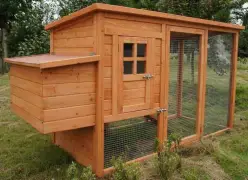
Building a Chicken Coop When deciding to be a backyard chicken farmer, an important consideration is the chicken coop or henhouse. Not only do you need a large, well secured pen, you need secure housing as well. Your henhouse should protect your flock from the weather and predators. You can find ready-made chicken coops at area farm and hardware stores. Or, you can buy your Chicken Villa online. You will find them in various sizes and styles with prices ranging from $500 to over $5,000. Personally, I prefer building a chicken coop over the cost of ready-made coops. You can build for a fraction of the price and usually, it only takes 2-3 days to finish. As long as you use cedar for the floor, pine wood, new or used will work. Building your own henhouse has several benefits: It costs less than prebuilt. You can take several ideas from various henhouses and give it your own, unique style. A house you build will have everything you need without having to add extras to a ready-made coop. You’re not confined to predetermined sizes and can build according to the size and shape of your property. You have peace of mind, knowing you have a securely built henhouse.Involving the whole family is a fun learning experience. The most important tool, if building your own, is a good set of plans. I never recommend “anything” unless I’ve tried it myself, and “Building A Chicken Coop” by Bill Keene, is a good instructional book. A former poultry farmer, Bill Keene not only tells you how to build your coop, he also shares his knowledge of raising chickens in this information packed eBook offered in PDF format. I have a portable coop made from Bill’s plans, and I call it my organic fertilizer spreader. We made this coop from used lumber from an old barn. Besides building the coop, you will learn where to place it, add proper ventilation and what materials to use. Included with your book: Complete building plans for 3 different coop sizes; a large, double story house, holding up to 10 chickens, midsize, housing for up to 4 chickens, and a small portable coop. 4 bonus guides:1. The Cheapest Materials To Build Your Coop Out Of2. The Best Materials For The Ground3. How to Build Nesting Boxes For Free Out of Common Material4. Where to Best Position Your Chicken Coop A 60-day, 100% money-back guarantee Immediate access to all materials The 4 bonus guides alone, are worth the cost of the book and contain a wealth of hard to find information. Even with no woodworking experience, you can complete one of these easy to follow coop plans. All 3 coop styles have detailed 3D pictures of each step, clear and precise instructions and complete material list, showing the lumber sizes in both feet and inches measurements and meters. I suggest only using this book for building your chicken coop, not for the other information it contains. We raise all our livestock as organically as possible, without antibiotics, steroids etc. Our concern is having a good supply of meat and eggs coming from animals free of chemicals. This book suggests using medications and does not support raising chickens without these harmful drugs; which is contradictory to raising organic and healthy food.
Backyard Chickens – The 6 Best Breeds For Beginners
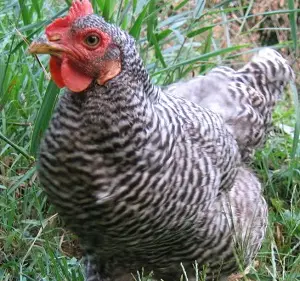
Choosing a Chicken Breed Chicken breeds break down into three categories: meat chickens, egg layers and dual-purpose. Trying to decide which category of chicken you need and what breed out of the hundreds of different breeds is a daunting task. I hope I can help by narrowing the choices down to what I consider the top six chicken breeds for beginners. For a beginner backyard chicken farmer, there are certain characteristics to look for when choosing a chicken breed. My top six breeds have at least two of these characteristics: • Choose a friendly and easy to tame chicken breed • Pick a breed that is easy to care for • Look for a common breed. Avoid the fancy and rare breeds until you become more experienced. These should be breeds you can find at most local feed and farm stores or in hatchery catalogs • For laying hens, choose a breed known for high egg production • For meat chickens, you need a breed that will gain weight quickly Orpington This is my number-one choice for a beginner chicken breed. Orpingtons have a great personality and lay a good amount of large brown eggs. Orpinton chicks like human contact and try to get your attention by jumping on you when you feed them. As adults, they still crave your attention and like to sit on your lap. This makes Orpingtons a great family chicken the kids will love. We owned an Orpington who would climb in our laps and go to sleep. Orpingtons are a large breed with a standard weight of eight pounds. They are a hardy chicken and tolerate cold weather very well. Rhode Island Red Rhode Island Reds are the best breed for producing brown eggs, and their laying productivity is far above average. They adapt well to confinement or as a free-range chicken. They are easy to care for and hardy, making them ideal for beginners. Rhode Island Reds are an active breed and fairly calm and docile. However, males are aggressive and not suited around small pets and children. If you want rich, brown eggs, then choose the Rhode Island Red hens. Leghorn Leghorns are another superior laying chicken with a lay rate of more than 300 eggs yearly. These chickens are hardy and heat tolerant, but their combs and beaks are subject to frostbite so petroleum jelly is needed during the winter months. You can use Leghorns for meat chickens, however, their lower weight of only 4.5 pounds makes them better for laying extra large, white eggs. If you are looking for a dual-purpose chicken, I recommend the Plymouth Rock. Plymouth Rock With an average weight of 7.5 pounds and above-average egg production, the Plymouth Rock makes a great, dual-purpose chicken. Hens typically lay 200 brown eggs each year and males weigh up to 10 pounds. They are a robust and, cold hardy bird. The Plymouth Rock is friendly, docile and easy to handle, making it a good addition to your flock. They are well adaptable to confinement or free-range. Cornish The Cornish chicken has a quick growth rate and is large, making it popular with people raising chickens for meat. A male Cornish can reach 11 pounds while a hen may weigh as much as 8 pounds. The Cornish breed has white plumage, which doesn’t leave pigment in the skin unlike dark feathered chickens do. They are cold hardy and less active than other breeds, making them easily contained. Because of their slowness and inability to defend themselves, I don’t recommend these birds for a mixed flock: keep them separated from the other chickens. Silkies The Silkie Bantam chicken is an ornamental breed. If you want chickens for pets, then the Silkie is a good choice. They are a tame breed and small and great mothers should you decide to hatch fertile eggs. They also make good foster mothers for new chicks you add to the flock. Silkies boast some unique features. With a face resembling a Shiatsu dog, these small chickens have black skin and bones and five toes instead of the standard four. They do well in close confinement but should be separated from the rest of your flock. Take special care during cold weather as their crest feathers may freeze.
Backyard Chickens – Six Steps to Prepare
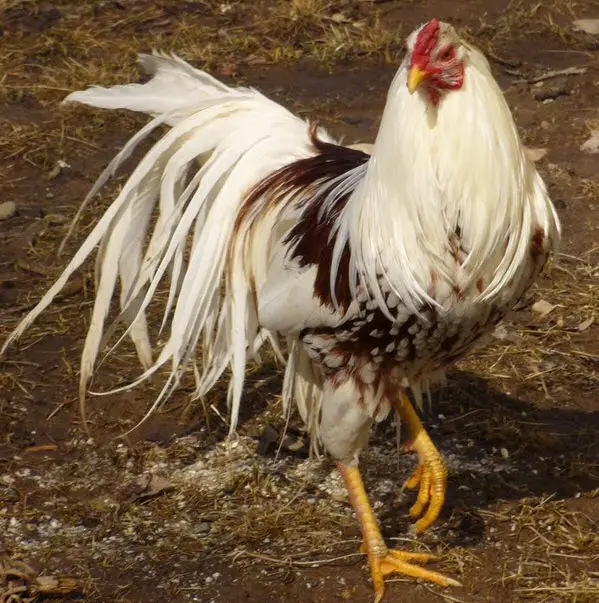
Getting Ready for Your Chickens After talking with your local government offices and obtaining any necessary permits, you are ready to move forward with preparing your property for your chickens. By preparing adequately, raising chickens in your backyard will be educational fun for the entire family. 1. Your first step before moving forward, is making sure you have the necessary financial resources for backyard chicken farming. Without reviewing the costs associated with raising a flock, you may find yourself incapable of fully taking care of your chickens. There are standard expenses like, housing materials, food and bedding but there are incidental costs as well; like medicine if they get sick. 2. Do you have the room? For a flock of 5-10 chickens, you need a minimum of two feet per chicken as well as an outside area for foraging. If your space is too small, your chickens may become ill. 3. Most people start with chicks, so you need the right materials to house and take care of them. For the first few months, your chickens need to be indoors, where it is warm. Many people keep chicks in the house for four months. I normally keep our chicks inside for only 3-4 weeks since we always buy chicks during warmer weather. If you do put you chicks outside when they are younger, you need a properly built enclosure and pen so the chicks can’t get out, and predators can’t get in. We use chain-link fencing lined with the smallest chicken wire we can find and place sheets of metal at the bottom of the pen. We cover the top of the pen with berry netting which provides extra protection from predators. Where we live, we have many predators like hawks, opossums and cats and dogs. You need to buy your pen, building and all supplies before bringing in your chicks. You can buy a prebuilt chicken house or build one. We built our coop using plans from Building A Chicken Coop. 4. Next, decide what you want to raise chickens for. Do you want chickens for meat or for egg production? Whatever your choice, you need a suitable breed. Chickens are bred for specific roles and the breed will affect how you raise them. Learning what chickens are best for your wanted results is important. Area feed stores may carry various chicks in the spring. Look for chicks and older chickens on Craigslist and in local want ads. There are also, several online chicken hatcheries that ship chicks like efowl.com. They carry various breeds, including rare breeds like the Sussex. 5. Care will vary among the different breeds of chickens. Most only need the basics; food, water, clean bedding, etc., however, exotic breeds, like the long tail Yokohama chickens, need special care and attention to their feathers. 6. While care is minimal for most chickens, you will need to set aside at least an hour each day for feeding and watering, collecting eggs and cleaning bedding.
Backyard Chickens – Laws About Raising Chickens
Chicken Laws and Regulations If you plan to raise chickens in your backyard, there are some steps to take before buying your chicks. The first, and most important consideration, is local laws which affects backyard chicken farming. Laws about keeping animals in a backyard vary from area to area; the last thing you want to do is buy chickens only to find out your city doesn’t allow keeping them on your property. Before you make a definite decision to raise backyard chickens, contact your local government office. 1. Start with calling to find out which office handles raising chickens. Once you find out who to contact, I recommend going in person. You will learn more visiting the office than you will over the phone. Plus, many local offices give out free information to anyone wanting to raise farm animals on their property. 2. If your city or county does allow raising chickens, you will need to know the details. Most nonagricultural areas have rules governing what you can or cannot do. For example, there may be a limit of how many chickens you can have. Usually, this will be a flat number, like no more than 10 chickens. Some areas, however, base the number by your property’s square footage; the larger the property, the bigger the flock. 3. Some areas may regulate the type and size of coop and pen you need; or how far to place your pen from the property line. 4. Does your area allow roosters? Roosters are noisy so some areas only allow hens. The rules may also ban slaughtering meat chickens in the backyard. Knowing what types of chickens you can raise is also important. Don’t rely on information from neighbors, check with local officials yourself. Accurate information is essential for avoiding unnecessary expenses or fines. Once you understand the rules and buy any needed permits, you are ready to prepare the area for your flock. If you can’t raise chickens in your backyard, consider starting a campaign to get the law changed. It will surprise you how a few supporters can change a law. Attend a local government meeting to bring forth your petition. Go prepared with good reasons for allowing backyard chickens. It’s best if you can show the council why allowing chickens will be worthwhile. Attend the meeting armed with accurately researched facts. Check the laws for your city and state. Be sure to double check the information for accuracy before buying chickens. You can find more information through your local extension office or area 4-H and FFA organizations. Find area Extension Office Find local 4-H Chapter National FFA Organization
Backyard Chickens – An Introduction to Raising Chickens in the Backyard
Backyard Chickens With people becoming concerned about where their food comes from, urban backyard chicken farming is growing in popularity. Chickens are easy farm animals to keep. There are benefits and drawbacks to raising your own chickens. I hope, this website will answer any questions. Benefits Fresh Eggs – The idea of having fresh eggs anytime you want them is usually the main reason for raising chickens. With having your own chickens, you know what food they eat and how they are cared for. When chickens have access to a natural and varied diet with lots of fresh air and sunshine, they produce a healthier, tastier egg. Your eggs are larger than store-bought eggs and have a firm yolk. Feeding your chickens cracked corn and greens will make the yolks richer and oyster shell helps toughen the shells and makes peeling easier when eggs are boiled.Productive laying hens will produce 3 to 5 eggs each week with the highest yield during summer months. With shorter days during winter, egg production will drop back or stop. Pest Control – Having chickens in your yard is great pest control. They love bugs of all kinds, grasshoppers, tomato worms, caterpillars, beetles and ticks. They will eat most vegetation so you want to make sure they don’t have access to your garden or flower beds. In the spring, place your chickens in the garden area to get it ready for planting. Their pecking and scratching helps rid your garden of weed seeds and grubs while loosening the top soil. Fertilizer – Chicken manure makes a good fertilizer for vegetables, trees, flowers or fruit. I like adding the chicken droppings and the straw from the chicken coop, directly to my compost pile. There is no need to age chicken manure like you do horse or cow manure and since chicken droppings won’t burn your plants, you can put the used straw into your garden. Pets – Chickens are excellent pets. Breeds like the Cochins, Orpingtons or Silkies are good for this. My two favorite animals together! Meat – Like eggs, raising your own chickens will provide a healthier, tastier food source. You can use roosters or hens for meat. Your best choice for meat chickens is Orpingtons and Plymouth Rocks. Both are large chickens making them a popular choice with farmers raising meat chickens. Drawbacks Odor – When you think of backyard chicken farming, the first thing that comes to mind is the smell and noise. This isn’t a problem if you care for them properly. Keeping your chicken coop clean and changing the bedding often keeps the smell minimal. Noise is an issue if you have roosters; hens cluck and squawk but are much quieter. You don’t need a rooster in the flock since hens will lay eggs without one. You only need a rooster if you plan to hatch your own chicks. Eggs – While nothing beats a fresh egg, they do require work. Eggs must be gathered daily; you never want an egg to sit for more than 48 hours. Plus, if you don’t gather eggs regularly, the hens will not produce more; they will nest instead. Zoning – Before you start buying building supplies and the chicks, you need to check with your city or region. Your city may not allow farm animals in residential areas or you might need a special permit. If your city does allow chickens, then there will be a maximum number you’re allowed to keep. Source – Finding a source for chickens, may be difficult. Start by checking with any farm stores in or near your city. You can also look on Craigslist, and the local want ads. Ordering by mail is an option, but you will need to take care of them. Chicks are shipped when one day old. They need to be indoors in a warm area for two months. Several hatcheries have online ordering and use expedited shipping to your door. When looking for a source, you want to make sure the breeders are reputable, and you are getting healthy chickens. Once you decide to raise chickens, the next step is building an enclosure. Even if your chickens free-range, I recommend a building where they can nest and take cover in inclement weather. Chicken coops are easy to build and fairly inexpensive. We built ours with used lumber recycled, wood pallets and a good set of chicken coop plans. Backyard chicken farming is a great introduction to raising livestock for people with limited experience. Chickens are easy to care for and need minimal space. Besides the benefits I listed above, chickens are fun to watch and great education for the kids.