
Sustainable Urban Homesteading: Learning to Preserve Food
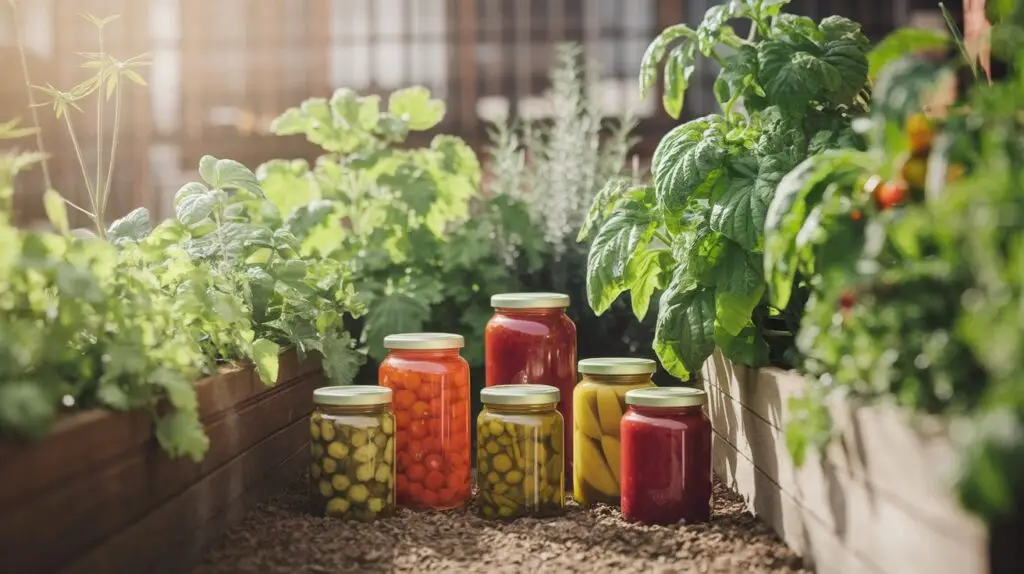
In the bustling landscape of modern life, where convenience often reigns supreme, the art of food preservation without refrigeration is experiencing a revival within urban homesteading circles. This resurgence is fueled by economic considerations and an awareness of the health risks associated with mass-produced foods. Salt, sugar, trans-fats, and artificial additives in commercial products have spurred individuals to seek alternatives. The practice of preserving food at home emerges as an appealing solution. It offers a healthier alternative and the practical advantage of enjoying seasonal fruits and vegetables year-round. By eschewing harmful preservatives and embracing traditional preservation methods, urban homesteaders can savor the natural flavors of their produce, fostering a deeper appreciation for the natural world and its cycles while contributing to a more sustainable and self-reliant lifestyle. This guide covers preserving fruits and vegetables, but I will delve into processing other foods in future guides. Reasons for the Revival The rise of backyard gardens and the abundance of excess produce have challenged urban homesteaders to make the most of their harvests without contributing to food waste. Simultaneously, the health risks of commercially processed foods, laden with additives that compromise taste and well-being, have become a growing concern. In this context, the revival of food preservation is not just a solution but a practical and empowering response to these contemporary challenges. It offers urban homesteaders a pathway to sustainability and self-sufficiency while prioritizing wholesome, natural ingredients. Simple Preservation Techniques Mastering the art of food preservation is an essential skill in the quest for sustainable living and self-sufficiency. Simple yet effective techniques allow individuals to extend the shelf life of fresh produce, ensuring nothing goes to waste while enhancing their meals’ flavor and nutritional value. From the ancient practice of sun-drying fruits and vegetables to the tangy delights of homemade pickles and the timeless tradition of canning, various preservation methods await exploration. This guide will dive into these fundamental techniques, offering practical insights and step-by-step instructions to empower you on your preservation journey. Whether you’re a novice homesteader eager to embark on your preservation adventure or a seasoned enthusiast seeking to expand your culinary repertoire, these methods promise to unlock a world of flavor and sustainability. Explore the simplicity and ingenuity of drying, pickling, and canning as we discover the secrets to preserving nature’s bounty for year-round enjoyment. Tips for Successful Preservation Preserving food is not just a culinary endeavor; it’s a commitment to sustainability and self-sufficiency. Starting with the right foundation is crucial for a successful preservation journey. This begins with selecting the freshest, highest-quality ingredients available, ensuring that the flavors and nutrients are preserved at their peak. Investing in top-notch preserving equipment, such as sturdy glass jars and reliable lids, is essential to maintaining food safety and extending shelf life. In the following section, we’ll delve into essential tips and strategies for successful food preservation, equipping you with the knowledge and tools needed to preserve nature’s bounty with confidence and finesse. Recommended Suppliers For those looking to embark on their preservation journey, reputable home goods suppliers like Wares of Knutsford offer a range of functional and aesthetically pleasing preserving equipment. Here is a list of reputable suppliers for home food preservation tools: Conclusion By embracing traditional food preservation techniques, urban homesteaders can enjoy the satisfaction of reducing food waste, improving health, and savoring the natural flavors of home-preserved foods. Ready to embark on your preservation adventure? Let quality ingredients and reliable equipment be your guide. ???
Urban Farming: A Growing Industry

With the concern about food safety, farmers markets popularity is increasing as people look for organic fruits and vegetables. From college campuses to city blocks, farmer’s markets are a staple of our culture. Large Cities Going Green In rural New York, farmers travel to Brooklyn farmers markets to sell their crops. With the demand for safer food, urban farming provides consumers with food from a trusted source while decreasing the amount of food affected by genetic enhancements. This growth of farmers markets leads to increases in urban farming. In addition to supplying healthy organic food, in some areas, urban farming utilizes unused city resources, like abandoned buildings and lots; spaces are converted to urban farms, like the greenhouse on an abandoned dock in New York City. In addition to reclaiming abandoned property, many urban farms are located on city rooftops. This helps keep buildings cooler and saves energy by lowering the cost of air conditioning. Many Benefits Environmental waste from transporting food by trucks leaves a carbon footprint on our environment. By offering food locally to farmers markets and grocery stores, urban framing saves money and lessens environmental waste. The demand for urban farming provides jobs and education, with many farming programs opening in major cities. Children and adults learn about the benefits of growing local while working on a farm; giving them the knowledge of what it takes to start their own urban farm. Even with the benefits of urban farming, there are concerns as well. Cities often contain more pollution than their outskirts which raises concerns the pollution will contaminate the city soil and its crops. While the crops help make the air cleaner, some cities are too polluted for harvesting healthy crops. The New Trend is Not So New Urban farming is becoming noticeably trendy in the United States; however it’s not a new concept. Beginning in Ancient Egypt, urban farming is centuries old. Using available resources, Egyptians used excess waste as the plot for seeds. Following the Egyptian’s lead, Grange Farm in Brooklyn, New York makes use of resources found in unusual areas. Grange Farm utilizes over two acres of rooftops, in Brooklyn and Queens, New York. Since opening in 2010, they’ve sold more than 40,000 vegetables to their. Their goal is to bring delicious vegetables to their community while building New York into a more sustainable place to live with positive effects to the environment. Grange Farm sells locally to restaurants as well as operating farm stands at farmers markets throughout the boroughs. They also sell privately to CSA members but do not sell beyond the boroughs of New York City. Their business however transcends the island of Manhattan as they consult on urban farm set ups throughout the United States. Grange also offers a non-profit program called City Growers. With learning on the farm and in the classroom, this program educates students about urban farming, health, and sustainability. The program’s goal is making future generations more environmentally conscious while learning ways to make a greener New York. Other Urban Farming Operations Zenger Farm, in Portland, Oregon, was established in 1913. Established in 1913, Zenger Farm in Portland, Oregon is a family tradition, passed from Ulrich Zenger to his son, Ulrich Zenger Jr. The farm has remained independently owned since it began. While continuing to produce crops since Zenger Jr.’s death, the farm is also a non-profit for educational out reach. Along with keeping crops sold independently, they educate children on sustainable living. The basis of the educational program at Zenger comes from the idea that healthy food comes from healthy soil even in the city. This educational program teaches about food, farming, and wetland conservation and how these things make for a healthy, thriving, city environment. Zenger Farm offers farm field trips where students can visit and learn about the farm and the importance in keeping a green community and a one-week summer camp where students actually work on the farm. Weekend workshops are also provided—in workshops adults are taught farm skills by working on the farm and learning about buying healthy organic food on a budget. Zenger takes pride in their community outreach and sharing the importance of their urban farm in improving the Portland community. B&T Farm, based in the Los Angeles neighborhood of Hacienda Heights, began in the backyard of Brett Wyatt. After raids at the Buddhist monastery he was studying at, he began working at a farm in Thailand. It was there he met his wife Tanya and decided to continue their passion for growing in the United States where they specialize in oyster mushrooms and sell to customers at farmers markets on the weekends. Oyster mushrooms require a rigorous process of boiling the seeds to ensure no other mold grows around the mushrooms. The Wyatts also grow crops native to Thailand as well as crops more prominent in the United States, such as spinach and broccoli. Detroit’s Hantz Farm boasts the largest Urban Farm in the United States. With Detroit’s economic downturn from the failing auto industry, thousands of houses stand empty. Once the properties were vacated, the land reverted back to the city. No revenue could be collected and these lots set vacant so many were sold. Hantz Corporation began buying the land from the government to build into urban farms and community gardens. In doing this, Hantz is creating jobs, offering healthy food choices, and revitalizing the land while helping the city of Detroit. In addition to their urban farms, Hantz is planting trees to help the environment and beautify the city. By helping the community through growth, Hantz is bringing the communities together while helping each other and getting involved in restoring the city. Urban farms help improve a city’s environment, economy, land, and community. Many major cities have community farms where anyone can start a plot and plant what they want to grow. If you’re interested in getting involved, check with your city. No matter how dense the population, there may be a plot