
10 Questions Every New Chicken Keeper Asks
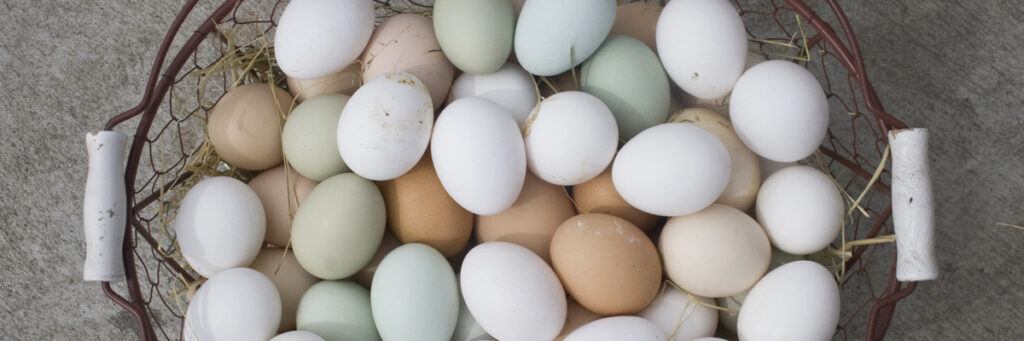
Disclosure: This post may contain affiliate links. If you purchase through these links, I may earn a small commission at no extra cost to you. Backyard chickens are having a moment. More people in suburbs and cities are building coops, ordering chicks, and collecting their own eggs every morning. The reasons vary. Some want fresher, healthier food. Some want a fun hobby. Some just like the idea of stepping outside with a cup of coffee and watching a small flock scratch around the yard. The learning curve is real, though. New chicken keepers tend to ask the same questions over and over. Chickens are simple animals, but they do have specific needs. If you get those basics right, the whole experience becomes easier and more rewarding. One common fear that stops people from ever starting is the belief that chickens need a farm. They don’t. If your backyard is big enough for a dog, it’s big enough for chickens. If you don’t have a farm store nearby, feed, coops, and supplies are all available online. And if you have Amazon Prime, you can have your supplies delivered in a matter of a few short days. Even if you don’t have Prime, other suppliers can deliver your items within a week. There are two books that I recommend that belong on every chicken keeper’s shelf. They are Storey’s Guide to Raising Chickens by Gail Damerow and The Chicken Health Handbook by Gail Damerow and Jeanne Smith, DVM. Both are practical, clear, and worth the price. In my two decades of raising chickens, I hear 10 questions most often from new and some not-so-new chicken keepers. 1. Do hens need a rooster to lay eggs? No. This is the single biggest misconception about chickens. A rooster is only needed if you want fertilized eggs that hatch into chicks. Your hens will produce eggs just fine without a rooster in the flock. 2. How many eggs will my chickens lay? It depends on three things: breed, age, and season. Hens are born with a set number of eggs, and once that set number runs out, there are no more eggs for a hen to lay. Some breeds were developed for high egg production. If the chickens are healthy, a hen from one of those breeds can lay an egg almost every day, but on average, they lay 4 to 5 eggs per week. A simple rule of thumb is that three hens will give you about two eggs a day. Age matters too. Hens start laying between 4 and 6 months old. Their first year is the most productive, and after that, egg output drops a little each year. Seasons also play a big role in egg production. Shorter daylight hours in winter slow production way down, and summer is peak laying time. 3. How long do chickens live? If protected from predators, most standard breeds live 8 to 10 years. Some can reach 15 years, but that’s rare. Chickens are hardy animals with a surprisingly long lifespan for their size. 4. How much daily care do chickens need? Chickens are low-maintenance animals and require less care than a dog. The daily care routine is relatively short, with collecting eggs, refreshing water, and feeding. I change the bedding every one to two weeks, depending on the weather and how dirty the coop gets. During our rainy season, the girls track in mud, and I find myself cleaning once each week. I deep-clean and disinfect the coop twice a year, once in spring and once in late fall. That’s about it. It is really less time-consuming than you might think. 5. What do chickens cost, and where do I get them? Baby chicks run $3 to $5 each, with specialized and rare breeds costing over $20 each. Females cost a bit more than males. Grown hens sell for $20 to $50 each and are usually sourced from local breeders or farm groups. You can buy chicks at a local feed store or order them online. Cackle Hatchery has one of the largest selections of breeds available for shipping. Another great chick shipper is Meyer Hatchery. 6. What do new chicks need? For the first four weeks, baby chicks need warmth. Set up a brooder with a single infrared heat lamp and keep the temperature at a steady 95°F by monitoring it with a thermometer. An 18-inch corrugated paper chick corral makes a cheap, effective pen, or check out my instructions for building an inexpensive plastic bin brooder. After 4 to 5 weeks, the chicks are ready to move into their outdoor coop and run. 7. When will my hens start laying? Most hens begin laying between 5 and 6 months of age. A good layer will produce 200 to 300 eggs per year. Rhode Island Reds and Buff Orpingtons are popular for their large brown eggs. White Leghorns lay large white eggs at a fast pace. Either one of these breeds is great for laying and won’t disappoint. For my pick of the top 5 egg layers, see the post Best Laying Hen Breeds. 8. Are brown eggs healthier than white eggs? No. Shell color comes from the breed of the hen and has nothing to do with taste or nutrition. What does matter is diet and lifestyle. Or so the experts say. I prefer brown eggs, and call me crazy, but I think they taste better. If you want truly great-tasting eggs, studies show that eggs from free-range hens are higher in Omega-3 fatty acids and lower in cholesterol than eggs from caged birds. And they do taste better. Even if your hens can’t roam completely free, their eggs will still taste better and contain more nutrients than most store-bought options. 9. Will keeping chickens save me money? No. This catches many new keepers off guard. Once you add up the cost of feed, water, bedding, coop materials, and your time, you’ll break even compared to buying cage-free organic eggs at the
Why Chickens Stop Laying Eggs
The most common reason people give for becoming backyard chicken farmers is the eggs. With growing concern over what goes into our food supply and some of the abhorrent conditions on factory farms, people are taking back control of their food production
Bring on the Eggs
Warm Weather – Flowers – and Eggs I love this time of year; it’s not spring yet and winter lets us know, he’s still around. Yet, anticipating a green landscape freckled with colorful flowers, gives me something to look forward to in a few short weeks. The excitement of things to come makes me smile as the days slowly warm with lingering sunlight. It’s also the time of year we start planning. Right now, we’re planting seeds for our container gardens and planning out where everything will go. It’s also the time of year my hens start producing more eggs. While we gather eggs year around, except for in extremely hot or cold weather, spring and fall are our biggest egg production seasons. With my excitement for spring comes the duty of a responsible backyard chicken farmer. As well as the well-being of our flock, knowing about the eggs they produce is just as important. The Laying House – The Coop and Nest Because of the direct relationship to the condition of your eggs, I must mention flock management. While feeding your birds a balanced ration is important, coop and nest management is also important. • Chickens like to hide their eggs and pick some of the strangest places to nest. Because of this, I recommend keeping your flock in a fenced area. By letting your hens nest wherever they choose, there’s a higher risk of broken eggs and knowing how old the eggs are is difficult. • Clean, clean, clean, and more clean. Keeping the nest area clean and dry makes for better eggs. Muddy runs and damp, dirty nesting material results in dirty and stained eggs. I recommend cleaning the laying area once a week however, a minimum of two weeks is okay, making sure you remove all wet litter and the run has good drainage. • For a small flock of 15 hens or less, you need a minimum of four nesting boxes while larger flocks need 1 nesting box for every 4 to 5 hens. Make sure the nests have a deep clean layer of litter which helps control egg breakage and absorbs waste. Egg Collection Chickens are early layers with most of the eggs laid by 10:00 am. If possible, collect the eggs as soon as possible after laid. Sometimes you can’t collect until later in the day and that’s okay, however collecting early lessens the chance of breakage and the eggs becoming too dirty. I advise collecting eggs twice daily. Hens can develop egg eating habits. By collecting eggs often, the chance of breakage is less and you lessen the risk of the hens learning to eat an egg. Collect your eggs in an easy-to-clean container; plastic egg flats or wire baskets work great, and make sure you don’t stack your eggs too high. Never stack more than 5 layers deep. The higher you stack your eggs, the more likely breakage will occur. Egg Cleaning and Handling This is a hotly debated subject: should I wash my eggs? I never wash my eggs until right before I use them. Washing your eggs will cause them to go bad quicker. Brush them off before storing them, only if you have to. My best advice; store them the way you find them. Just before laying her eggs, the hen’s body adds a protective coating to the shell, known as bloom. Leaving this protective film on the eggs helps keep out bacteria and traps moisture inside the egg, resulting in a full, rich egg with a bright orange yolk. Many farmers never refrigerate their eggs because the bloom is so protective. Once you wash the egg or wipe it down too much, you destroy the bloom and the egg needs refrigeration. If you’ve ever been to Europe, you will notice, fresh eggs are never refrigerated because the farmers leave the bloom on them. A fresh egg with bloom intact will keep all high quality nutrients, when kept at room temperature, for up to three months. When you crack open a fresh egg, you’ll see a bright orange yolk and the albumen, or the jelly substance surrounding the yolk, is slightly cloudy. Quick Science Lessen The cloudiness of the egg white, or albumen, of a backyard egg looks cloudy. This means the fresh egg has carbon dioxide present. With a factory farmed egg, the albumen is clear. This means the egg was washed which allowed the carbon dioxide to escape through the porous shell or the egg is old. The more gas that escapes, the more transparent and runny the white will be. Commercial egg producers wash their eggs as well as running them through a chemical wash. These chemicals seep into the pores since the eggs are no longer protected by the bloom. The chemical washes cause a reaction in the egg. The yolk shrinks and turns pale, while the albumen becomes clear. Farm eggs may have a clear albumen as well but this usually means the clearer the albumen, the less fresh your egg is. Chilling or Not Chilling Whenever I tell people I don’t chill my eggs, they look at me like I’m crazy. Then I hear the usual questions…“ They’ll go bad, won’t they?” or “Won’t you get salmonella poisoning?” My answer: “If they’re backyard eggs…no.” The United States is one of the few countries requiring mass producers wash their eggs and keep them refrigerated. Once the protective coating is gone, the egg becomes susceptible to bacteria. All store-bought eggs need refrigeration or the risk of salmonella is high. Because of this, it’s important to understand the difference between a factory farmed egg and a backyard chicken farmer egg. Eggs shells are nothing more than permeable membranes with thousands of pores covering the surface. When the hen lays an egg, her body covers it with the protective bloom coating. This mucous secretion quickly dries after laying, to seal the shell’s pores. This makes it impervious to bacteria while reducing moisture loss. Moisture loss will speed up