

How to Introduce New Chickens to Your Flock (Step-by-Step Guide)
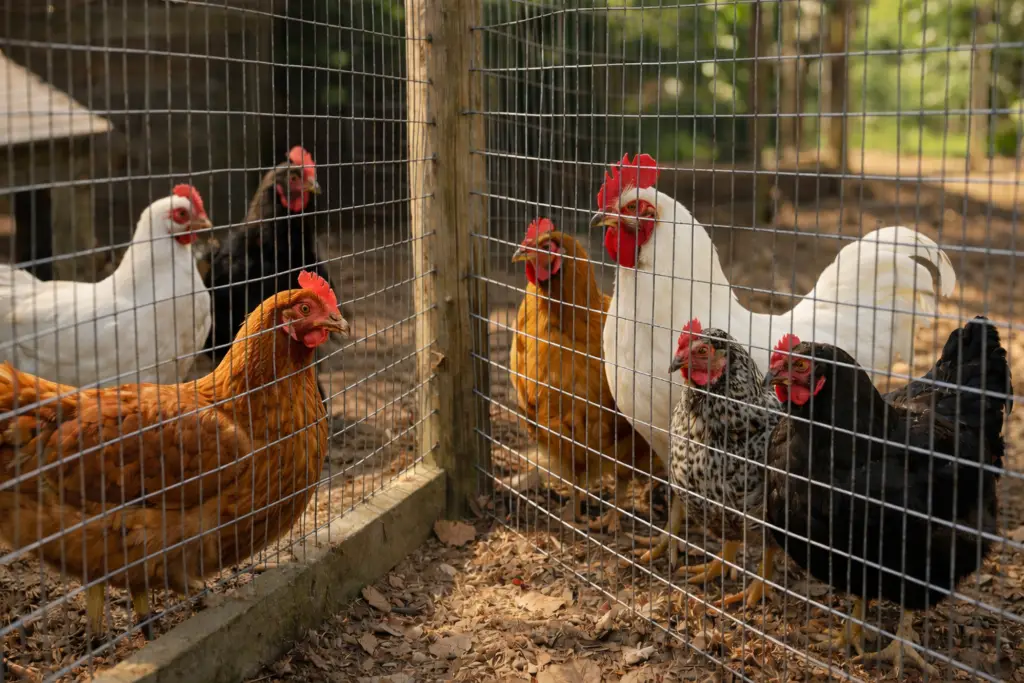
Disclosure: This post may contain affiliate links. If you purchase through these links, I may earn a small commission at no extra cost to you. Introducing new chickens to an existing flock is one of the most important skills a backyard chicken keeper can learn. But it is also one of the easiest places to run into problems if the process is rushed or handled without a clear plan. Chickens live by a social structure known as the pecking order. Every time new birds are added, that structure has to be re-established. This process includes pecking, chasing, and posturing, all of which are normal behaviors. The goal is not to eliminate those behaviors, but to manage them so they do not turn into injuries or long-term stress. A slow, structured introduction allows the flock to adjust in stages. When done correctly, the process becomes predictable and much easier to manage. If your new birds are coming from the brooder, make sure they are fully feathered and ready for outdoor life. Learn what you need to know with our Raising Baby Chicks for Beginners and Brooder Setup Guide. When to Introduce New Chickens Timing plays a major role in how smoothly the introduction goes. New chickens should be close in size to your existing flock. Smaller birds are more likely to be targeted and have difficulty avoiding aggressive behavior. Waiting until younger birds are strong, fully feathered, and able to move confidently gives them a better chance to integrate successfully. Weather conditions matter as well. Choose a period of mild, stable weather so your flock is not dealing with additional stress from heat or cold. Chickens adjust more easily when their environment is consistent. Before starting, make sure your coop and run are ready. Birds need enough space to move freely and avoid each other when necessary. If your setup feels crowded, fix that first. When building your coop and run, check out our Chicken Predators and How to Protect Your Flock article to ensure everything is secure. Step 1: Prepare a Separate Holding Area New chickens should always start in their own space before joining the flock. Set up a separate holding area that is secure, dry, and completely independent from your main coop and run. This area does not need to be large or permanent, though it should allow the birds to eat, drink, and move comfortably. Use this time to observe the new chickens closely. Make sure they are eating well, staying active, and showing no signs of illness. This period also helps them recover from transport and adjust to their new environment before facing the stress of introduction. Keep everything separate during this stage, including feeders and waterers. Starting with a clean separation gives you control and prevents problems that are harder to fix later. Step 2: Set Up Visual Contact Once the new chickens are settled, allow them to see the flock without direct contact. Place the new birds inside a section of your run or behind a wire barrier where both groups can observe each other safely. This allows the chickens to become familiar with each other’s presence without triggering immediate conflict. Over several days, the birds will begin to pay attention to each other. You may see pacing, staring, or curiosity along the barrier. These behaviors are part of the adjustment process and help reduce the intensity of the first physical interaction. Give this stage enough time to work. Rushing it often leads to more aggressive encounters later. Step 3: Begin Short, Controlled Introductions When both groups appear calm during visual contact, you can begin short introductions. Choose a time when you can stay nearby and watch closely. Allow the chickens to interact in a space that gives them room to move, such as a run or open yard. Avoid tight areas where birds cannot get away from each other. Keep the first sessions short. Ten to fifteen minutes is enough to observe how the birds respond. Expect some pecking and chasing, as this is how chickens begin to establish their social structure. End each session before tension builds too much. Returning birds to their separate spaces keeps the process controlled and prevents early conflicts from escalating. Step 4: Watch Behavior and Step In When Needed As introductions continue, your focus should shift to observing patterns rather than reacting to every interaction. Chickens will naturally establish their pecking order through short pecks and brief chases. These behaviors are expected and usually resolve on their own. What matters is whether the behavior improves over time or becomes more aggressive. Pay close attention to how the birds function as a group. All chickens should be able to move freely, eat, drink, and rest without being constantly harassed. A bird that is repeatedly targeted or unable to access food needs immediate attention. This table will help you quickly identify what is normal and what requires intervention: 🐔 Behavior ✅ Normal ⚠️ Problem Pecking Short pecks, brief chasing Repeated attacks, injury Chasing Stops quickly Constant pursuit Feeding All birds eat eventually One bird blocked from food Movement Birds move freely One bird hiding constantly If behavior becomes aggressive or does not improve, separate the birds and return to the previous step. Slowing the process often resolves the issue. 💡 Important Tip Focus on behavior over time instead of reacting to every peck. Chickens need time to establish order, and short interactions are part of that process. Step 5: Add Extra Feeders and Waterers As birds begin spending more time together, competition for food and water can increase. Chickens higher in the pecking order may try to control access, which can create stress for new birds. Adding multiple feeders and waterers in different areas of the run helps reduce this pressure. Spread them out so birds are not forced into one location. This allows lower-ranking chickens to eat and drink without constant interference. Step 6: Increase Time Together Gradually As introductions improve, begin increasing the amount of time the
Brooder Setup for Baby Chicks (Complete Beginner Guide)
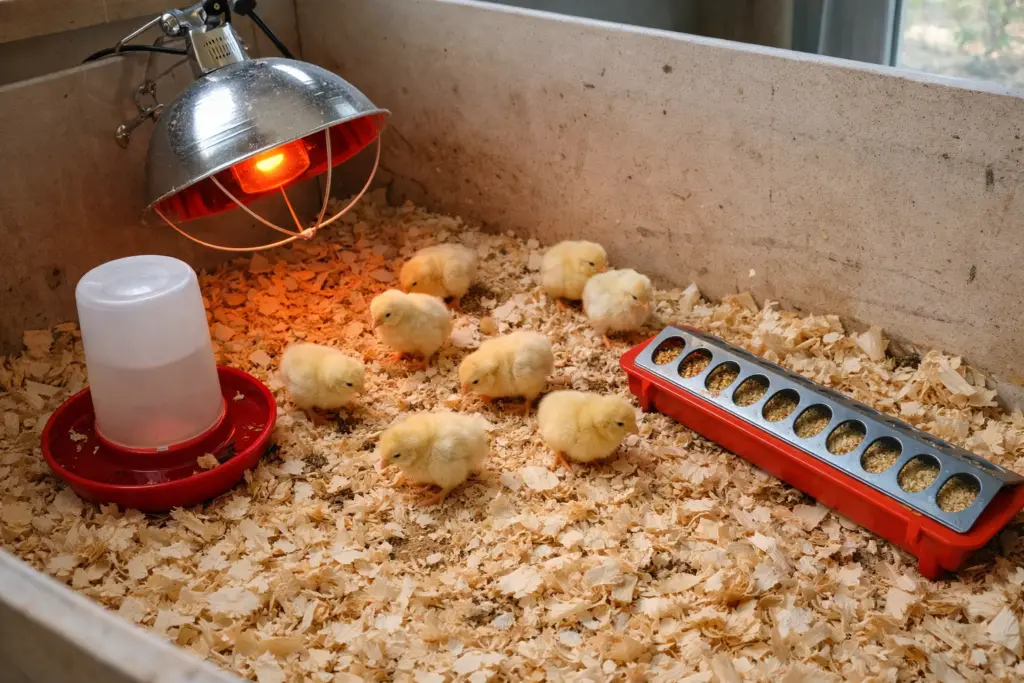
Disclosure: This post may contain affiliate links. If you purchase through these links, I may earn a small commission at no extra cost to you. Setting up a brooder is one of the most important steps in raising baby chicks, and it is where many beginners either set themselves up for success or run into avoidable problems. A good brooder gives chicks a stable, comfortable environment where they can grow quickly without stress. At the same time, a poorly set-up one can lead to issues with temperature, moisture, or overcrowding. You want a space that provides consistent warmth, clean bedding, easy access to food and water, and enough room for chicks to move freely as they grow. Once those basics are in place, raising chicks becomes much easier to manage day to day. If you have not purchased your chicks yet, start with our Where to Buy Baby Chicks article. The next article in the series, the Raising Baby Chicks for Beginners guide, will walk you through daily care once your brooder is up and running. What Is a Chick Brooder A brooder is a contained space that replaces the role of a mother hen during the first few weeks of a chick’s life. In nature, a hen provides warmth, protection, and guidance. In a backyard setup, your brooder takes over that job. This space needs to stay warm, dry, and safe at all times. Chicks will eat, drink, sleep, and grow inside it, so the setup should support those basic needs without causing stress or confusion. Step 1: Choose the Right Brooder Container You do not need anything complicated or expensive to get started, but the container you choose does need to work well for the space you have and the number of chicks you plan to raise. Many backyard chicken keepers use large plastic storage totes, stock tanks, wooden boxes, or livestock troughs. What matters most is that the sides are solid enough to block drafts and tall enough to prevent chicks from jumping out as they grow and become more active. Space is often underestimated at this stage. Chicks grow quickly, and a brooder that feels roomy during the first week can become crowded by three weeks. Giving your chicks enough space from the beginning helps reduce stress, limits pecking behavior, and keeps the environment cleaner. Step 2: Add Safe, Absorbent Bedding Bedding is more than just something to cover the floor. It plays a major role in keeping chicks dry, comfortable, and healthy. Pine shavings are among the most reliable bedding options because they absorb moisture well and provide a textured surface that helps chicks maintain proper footing. Slick flooring, like plastic and plain newspaper, can contribute to leg problems. A thick layer of pine shavings is vital to keeping your chicks safe and healthy and to avoiding long-term issues. The bedding also makes it easier to spot-clean wet areas and keep the brooder from developing odor problems. Learn more about the best bedding for your chicken coop in our Chicken Coop Bedding Guide for Beginners. Step 3: Install a Heat Source Correctly Heat is the most critical element in your brooder setup, especially during the first week. Typically, chicks will need this heat source for 4-6 weeks or until they get all their feathers. Since chicks cannot regulate their body temperature when young, they rely entirely on an external heat source. Without consistent warmth, they can become chilled, leading to stress and potential loss. Heat lamps are commonly used and can work very well when installed correctly. Brooder heat plates are another option that provides a more controlled and lower-risk heat source. The key is placement. The heat source should warm only part of the brooder, not the entire space. This creates a temperature gradient, allowing chicks to move toward warmth when they need it and away from it when they do not. Step 4: Set the Correct Temperature Temperature should always be measured at chick level, not above the brooder. During the first week, aim for about 95°F in the warm zone, then gradually reduce the temperature each week as chicks develop feathers and become more independent. 🐣 Age 🌡️ Temperature 📌 What to Watch Week 1 95°F Chicks spread evenly and stay active Week 2 90°F Less clustering, more movement Week 3 85°F Feather growth increases Week 4 80°F More independence Week 5–6 75°F Preparing for outdoor transition Watching chick behavior is just as important as checking the thermometer. Comfortable chicks will move freely, eat, drink, and rest without crowding or avoiding specific areas. Step 5: Add Feeders and Waterers Chicks need constant access to clean feed and water, and where you place them in the brooder affects how well they use them. Use chick-sized feeders and shallow waterers designed for safety. If the water is too deep, young chicks can fall in and drown. Place them slightly away from the heat source so chicks do not crowd into one area, which helps reduce spills and keeps bedding drier. 💡 Beginner Tip Keep feed and water slightly separated inside the brooder. This helps reduce spills and keeps bedding drier longer. Step 6: Plan the Brooder Layout A well-planned layout gives chicks options and keeps the space balanced. Position the heat source on one side, place feed and water in an accessible area nearby, and leave open space for movement. This setup allows chicks to regulate their own comfort and reduces stress within the group. Even a simple layout works well when each element is placed with purpose. Step 7: Test Everything Before Chicks Arrive Before bringing chicks home, run the brooder for several hours and check that everything works as expected. Look at temperature stability, equipment placement, airflow, and overall safety. Making adjustments ahead of time is much easier than trying to fix problems after chicks are already in the brooder. Brooder Safety (Do Not Skip This) Safety deserves careful attention, especially when using heat lamps. Secure the lamp firmly so it cannot
Raising Baby Chicks for Beginners (Week-by-Week Guide)
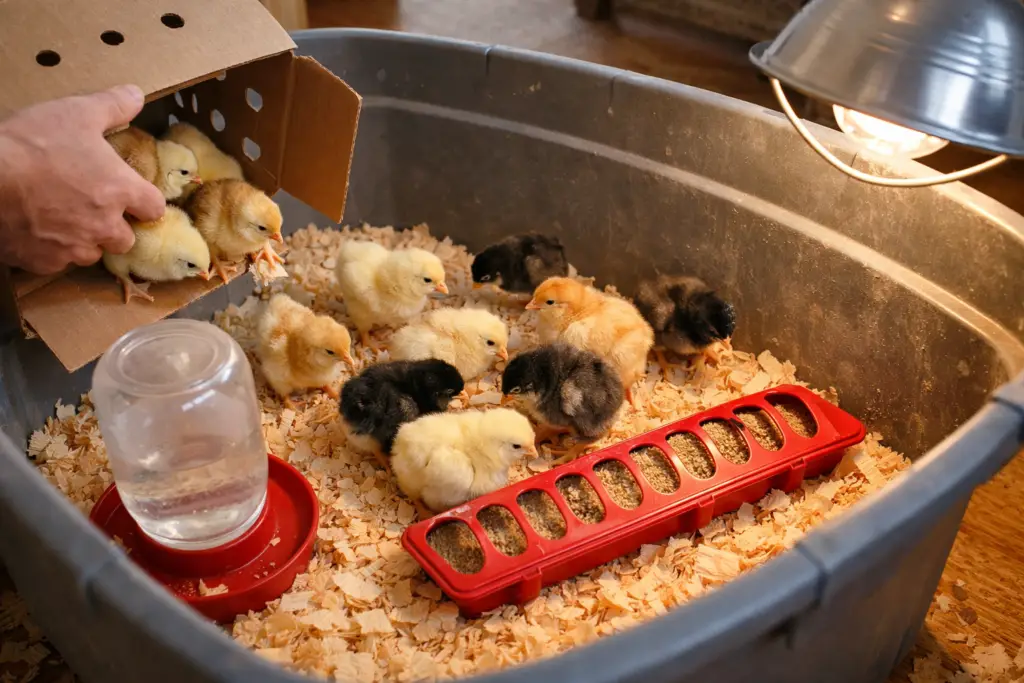
Disclosure: This post may contain affiliate links. If you purchase through these links, I may earn a small commission at no extra cost to you. Bringing home baby chicks is exciting, but the first few weeks are when beginners either build confidence or run into problems. Chicks are hardy in some ways, but they require more maintenance at the start, needing steady heat, clean water, the right feed, dry bedding, enough space, and close observation. Most chick losses happen when one of those basics slips. All extension guidance stresses that temperature, space, dryness, and clean feed and water are the foundation of successful brooding. Before You Bring Chicks Home The biggest beginner mistake is buying chicks first and setting up later. To have a better chance of success with your baby chicks, you must have everything ready before they arrive. Your brooder should be fully assembled, bedded, heated, and tested before the chicks arrive. That means the heat source is on, the temperature is stable, the feeder and waterer are in place, and you already know where the chicks will stay for the next several weeks. Some of the best advice is to start studying and planning late fall or early winter, so you have enough time to get your chicks’ new home ready. If you are getting chicks by mail, timing matters even more. USPS permits the mailing of certain day-old poultry, but those chicks are perishable and time-sensitive. In practice, many hatchery shipments are held for pickup at your local post office, so you need to be ready to go pick them up promptly when they arrive. Do not schedule a shipment for a day when you will be away from home, hard to reach by phone, or unable to get to the post office quickly. Chicks have 1-2 days in transit, so they will be without water and food, making it vital to be there to get them home. A beginner should have these things ready before the chicks arrive: What To Do the Minute Chicks Arrive Whether you picked chicks up at a feed store or brought them home from the post office, your first job is not to admire them. Your first job is to get them warm and drinking. Gently place them into the brooder right away. If they were shipped, dip each beak lightly into the water so the chick learns where the water source is. Shipping is stressful, and hydration comes first. Feed should be available immediately, too, but water is the urgent need. Good hatcheries and extension programs both emphasize getting chicks settled quickly and minimizing stress after transport. Then step back and watch them for fifteen to twenty minutes. Their behavior will tell you a lot. If they pile tightly under the heat, they are cold. If they avoid the heated area and spread to the edges, they are too hot. If they move around, peep softly, eat, drink, and rest comfortably, the setup is close to right. Extension guidance specifically recommends using chick behavior, not just thermometer readings, to judge brooder comfort. Setting Up a Brooder the Right Way A brooder is simply a safe, draft-protected space that gives chicks heat, bedding, feed, water, and room to move. For a small backyard flock, a stock tank, large tote, livestock trough, or homemade brooder box can work. What matters most is safety and function. The floor should not be slick. Oklahoma State University Extension notes that chicks need absorbent bedding and warns against slick surfaces such as plain newspaper, which can contribute to leg problems. Cedar is also a poor choice because of irritating fumes. Pine shavings are a solid beginner option because they absorb moisture well and are easy to replace. Lay down enough bedding to keep the floor dry, then quickly change wet spots. Chicks spend a lot of time on the floor, so damp bedding quickly becomes a health problem. Space matters more than beginners expect because chicks grow quickly. Penn State Extension notes that space needs increase as birds grow, and Minnesota guidance also stresses allowing enough room under and around the heat source so chicks can choose their comfort zone. Brooder Setup Chart 🐣 Brooder Need What Beginners Should Do Heat Preheat the brooder before chicks arrive and keep one warm zone available at all times Bedding Use dry, absorbent bedding like pine shavings and replace wet spots quickly Water Use a shallow waterer and check it several times a day Feed Keep chick starter available at all times and keep it clean and dry Space Give chicks room to move away from heat, eat, drink, and rest without crowding Temperature Is the Make-or-Break Issue For week one, most extension sources recommend a brooder temperature around 90° to 95° Fahrenheit at chick level, then lowering it by 5° each week as the chicks feather out. Penn State, Minnesota, Oklahoma State, and Purdue all give essentially the same week-by-week pattern, with small differences depending on conditions and the heat source. What matters here is not just the number. It is where you measure it. Take the temperature near the chick level under the heat source, while Purdue notes measuring near the floor. That matters because a brooder can feel very different at floor level than it does a foot higher. 🌡️ Chick Age Recommended Brooder Temperature What You Should Watch For Week 1 90 to 95°F Chicks should eat, drink, sleep, and move comfortably without piling Week 2 85 to 90°F More movement and confidence, less constant clustering Week 3 80 to 85°F Feathers begin replacing fluff and chicks roam more Week 4 75 to 80°F Chicks need more space and less constant heat Week 5 70 to 75°F Many chicks are close to transition if fully feathered Week 6 Around room or ambient warmth if weather allows Outdoor transition depends on feathering and weather, not just age And because you wanted a how-to article, here is the practical part beginners need to hear: Do not
Where to Buy Baby Chicks (Beginner Guide)
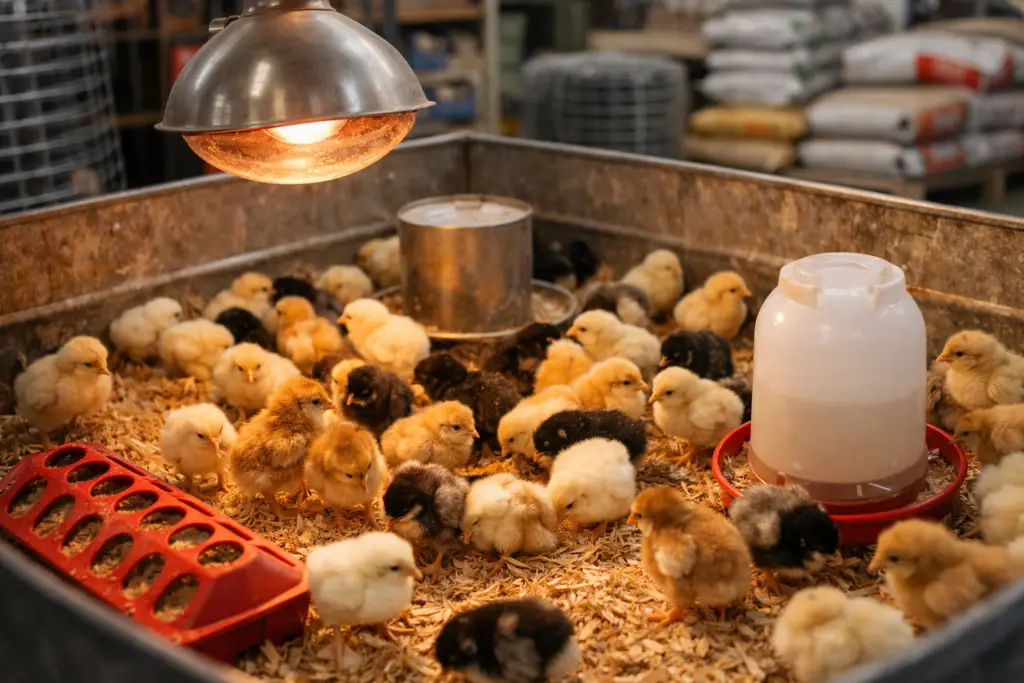
Disclosure: This post may contain affiliate links. If you purchase through these links, I may earn a small commission at no extra cost to you. Buying baby chicks is one of the most exciting parts of starting a backyard flock. It is also where many beginners make mistakes. Where you buy your chicks matters more than most people realize. Healthy birds, the right breed, and proper handling early on all make a difference in how your flock performs later. After you buy your birds, read our guide on raising baby chicks for beginners so you are ready before they arrive. If you are just getting started, make sure your setup is ready before you bring chicks home. Our Complete Beginner Guide to Raising Chickens walks you through everything you need before your first purchase. Best Places to Buy Baby Chicks 🐔 Source 👍 Pros ⚠️ Cons ⭐ Best For Feed Stores Immediate access, see chicks in person Limited breed selection Beginners who want simple setup Hatcheries Wide variety, sexed chicks, shipped Shipping time, minimum orders Specific breeds or larger flocks Local Breeders Locally adapted birds, small batches Harder to find, limited availability Custom or heritage flocks There are three main options, and each has its advantages. Local Feed Stores and Farm Supply Stores Local feed stores are one of the easiest ways to get started. Stores like Tractor Supply Co. and local feed stores often carry chicks in the spring, especially in areas like Texas, California, Florida, and Georgia, where backyard flocks are common. You can see the chicks in person, which gives you a chance to observe their behavior and condition before buying. There are no shipping costs, and you can take them home the same day. The downside is limited breed selection. You usually get a small group of common breeds, and availability depends on timing. For specialty or Heritage breeds, your best chance of getting what you want is by ordering through an online hatchery. Reputable Hatcheries Ordering from hatcheries gives you access to a much wider range of breeds. Well-known options include My Pet Chicken, Meyer Hatchery, and Murray McMurray Hatchery. Hatcheries typically offer more breed choices, sexed chicks (pullets), vaccinated chicks, and scheduled shipping. Chicks are shipped shortly after hatching and arrive within a few days. One thing to keep in mind is the minimum order sizes. Many hatcheries require larger orders to ensure chicks stay warm during shipping. Local Breeders Local breeders are often overlooked, but they can be a great option. Organizations like the American Poultry Association and The Livestock Conservancy can help you find breeders in your area. Buying from a breeder often means better-adapted birds for your climate and smaller purchase quantities. When you get your birds from a breeder, you have more insight into how the birds were raised. Availability varies, so you may need to plan. What to Look For When Choosing Healthy Chicks When you are standing at a brooder tank in a store or receiving chicks from a shipment, take a few minutes to observe them. Healthy chicks are active and alert. Look for bright eyes, clean fluffy feathers, and chicks that move around with curiosity. They should be steady on their feet and responsive to movement. Unhealthy chicks often stand out once you know what to watch for. They may appear sleepy, huddled, or reluctant to move. Any signs of coughing, labored breathing, or dirty vent areas should raise concerns. Taking the time to choose strong, healthy chicks saves you problems later. ✅ Healthy Chick ⚠️ Warning Signs Bright, clear eyes Dull or closed eyes Active and curious Lethargic or huddled Clean, fluffy feathers Dirty or matted feathers Steady movement Weak or unbalanced Choosing the Right Breed for Your Needs Before you buy chicks, think about what you want from your flock. Some people want eggs while others want calm, friendly birds. Some backyard chicken farmers want hardy chickens that can handle tough weather. Breed choice affects egg production, temperament, climate tolerance, and long-term maintenance. If your goal is egg production, focus on reliable layers like the Rhode Island Red or Leghorn. Buff Orpingtons, Silkies, Cochins, and Brahmas are best if you want a more relaxed backyard flock. Best Chicken Breeds for Hot Climates If you live in a hot climate like Texas or Oklahoma, breed choice becomes even more important. Heat stress is one of the biggest challenges backyard flocks face in the southern regions of the country. Some chickens handle it well, while others struggle. Good heat-tolerant breeds share a few key traits, such as larger combs and wattles that release body heat, lighter body weight, and active, alert behavior. These features help chickens regulate their body temperature more effectively than other breeds. Some of the best heat-tolerant breeds include light-bodied birds with large combs, like the Leghorns, Andalusians, Minorcas, and Egyptian Fayoumis. Good heat-tolerant egg-laying breeds include Naked Necks (Turkens), Easter Eggers, and Rhode Island Reds. These birds handle high temperatures and still maintain good egg production. Recommended Heat-Tolerant Breeds 🌡️ Breed 🔥 Heat Tolerance 🥚 Egg Production ⭐ Notes Leghorn Excellent High Lightweight and very active Andalusian Excellent Moderate Well adapted to warm climates Naked Neck Excellent Moderate Less feathering helps cooling OEGB Excellent Low Small size handles heat well Leghorns are one of the best choices for hot climates. They are light-bodied, active, and excellent egg layers. Andalusians are another strong option. They are well adapted to warm weather and handle heat better than heavier breeds. Naked Necks stand out because they have less feather coverage, which helps them stay cooler in extreme temperatures. Old English Game Bantams (OEGBs) are small and efficient birds that tolerate heat well due to their size and body structure. Other good options include Mediterranean-type breeds, which are well-suited to warmer climates. Hot Weather Chick Care and Setup Raising chicks in warm climates requires a slightly different approach. Ventilation becomes more important than insulation. Your brooder and coop should allow airflow without exposing chicks to drafts. Fresh
Chicken Predators and How to Protect Your Flock
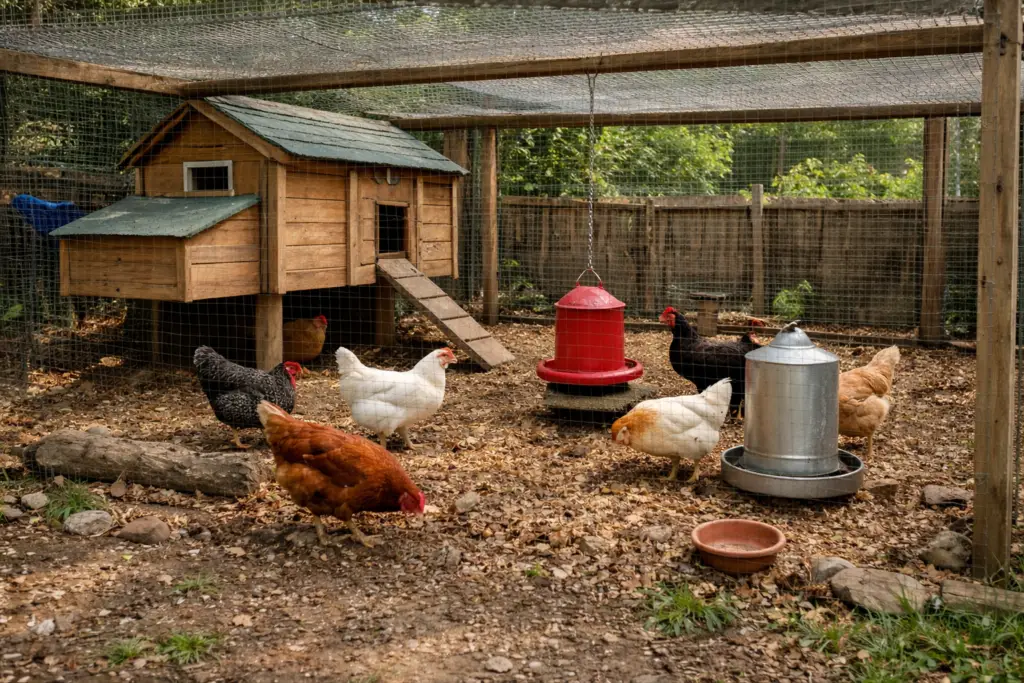
Disclosure: This post may contain affiliate links. If you purchase through these links, I may earn a small commission at no extra cost to you. Losing a chicken to a predator is one of the fastest ways to learn how important coop security really is. Most beginners assume their setup is good enough until something tests it. Unfortunately, predators only need one weak spot. A small gap, a loose latch, or a shallow fence can turn into a problem overnight. The good news is that most predator losses are preventable. Once you understand what you are up against and how predators behave, you can build a setup that keeps your flock safe without making things complicated. If you are still building your setup, start with the Complete Beginner Guide to Raising Chickens, then come back here to secure everything properly. Why Predator Protection Matters More Than You Think Predators are a common occurrence everywhere. Even in suburban areas, you deal with raccoons, neighborhood dogs, hawks, and other opportunistic animals. They do not need an invitation, and they are always looking for an easy meal. What surprises most new chicken keepers is how persistent predators are. If they find your coop once, they will come back again and again until they succeed in breaking inside. That is why predator protection is not just about reacting after a loss. It is about building a system that prevents problems from happening in the first place. Common Chicken Predators (And How They Hunt) Understanding predator behavior is the key to stopping them. Different animals attack in different ways. Some dig. Some climb. Some strike from above. Knowing this helps you build the right defenses. Raccoons Raccoons are among the most dangerous predators of backyard flocks. They are nocturnal and incredibly smart. They can open simple latches, reach through wire, and pull chickens apart without even entering the coop. Raccoons usually attack after dark and target weak points such as doors, vents, and loose wires. If one gets inside your coop, it often kills multiple birds in one night. Foxes Foxes are patient and quiet hunters. They typically attack at dawn or dusk and will dig under fences to reach your chickens. Unlike raccoons, foxes often grab a bird and carry it off. If you lose a chicken without a trace, a fox is often the cause. Hawks Hawks are daytime predators. They hunt from above and can strike quickly when chickens are out in the open. Free-ranging flocks are especially vulnerable. A hawk attack usually leaves scattered feathers and little else. Weasels Weasels are small but extremely dangerous. They can squeeze through very small openings, often less than an inch wide, and typically kill multiple chickens in a single attack, leaving bodies behind. These attacks often happen at night and can be devastating. Dogs Dogs are unpredictable predators. Even friendly pets may chase and kill chickens out of instinct. Unlike other predators, dogs often kill multiple birds without eating them. A single loose dog can wipe out an entire flock in minutes. Signs You Have a Predator Problem Most predator issues leave clues. You might notice disturbed bedding, missing birds, or feathers scattered around your yard. Damage to your coop, such as bent wire or dug-out areas, is another warning sign. If something feels off, trust that instinct. Predators often test a coop before making a full attack. How to Predator-Proof Your Chicken Coop A secure coop is your first line of defense. This is where your chickens sleep, and it needs to be as safe as possible. Use Hardware Cloth, Not Chicken Wire This is one of the most important upgrades you can make. Chicken wire is designed to keep chickens in, but does not keep predators out. Hardware cloth, with small openings, prevents animals from reaching through or tearing it apart. Use it on windows, vents, and any exposed areas. Secure Every Opening Predators look for gaps. Check your coop for loose boards, gaps around doors, openings near the roof, and weak corners. Even a small gap can become a problem, especially with animals like weasels. Install Strong Latches Simple latches are not enough. Raccoons can easily open basic locks. Use secure latches and locks that can’t be opened with a simple pull. Protect the Floor Predators dig, so you must ensure your coop floor is protected. For a secure floor, bury hardware cloth around the perimeter of the coop and add a wire apron that extends outward. The added hardware cloth helps prevent animals from digging under the coop walls. How to Secure Your Chicken Run Your run is where chickens spend most of their time. Take the time to give extra consideration to the protection needed from both ground and aerial predators. Cover the Run An open run invites hawks and other raptor birds. These hunting birds can decimate an entire flock in a single day. Adding netting or wire across the top creates a physical barrier that prevents aerial attacks. Prevent Digging Just like the coop, your run needs protection below ground. A buried barrier or apron made of hardware cloth around the edges of your coop and run stops animals like foxes from digging their way in. Keep It Clean and Dry Predators are attracted to easy opportunities. If your run has excess food, standing water, or waste buildup, it becomes more appealing. Get into a routine of keeping the run clean, which is easily accomplished during your regular chicken coop cleanings. If you have not yet set a cleaning schedule, read How to Clean a Chicken Coop to build a simple one. Electric Fencing (When You Need Extra Protection) If you live in an area with a heavy predator presence, electric fencing can be a strong upgrade. A low-voltage poultry fence can deter animals like raccoons, foxes, and even dogs. It works as a psychological barrier. Once a predator touches it, the fence does the trick, and the predator usually does not come back. This is especially
How to Compost Chicken Manure Safely (Step-by-Step for Beginners)
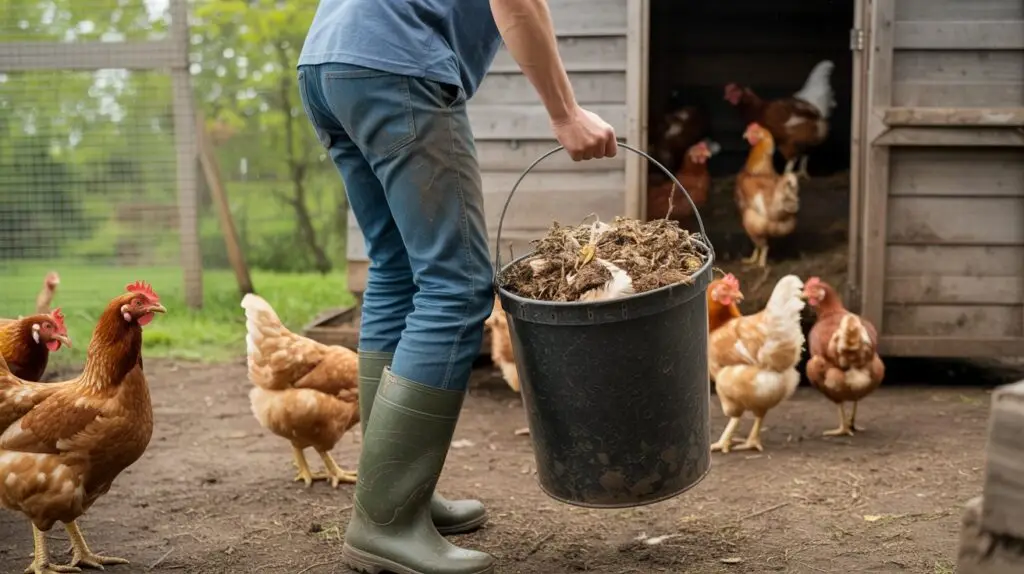
Disclosure: This post may contain affiliate links. If you purchase through these links, I may earn a small commission at no extra cost to you. Chicken manure is one of the best things your flock can produce for your garden. There’s a reason it’s called garden gold. It is rich in nutrients, especially nitrogen, and can make excellent compost when handled properly. The problem is that raw chicken manure is too strong to use straight from the coop. It can burn plants, add too much salt, and raise food safety concerns if used without proper composting and curing. That is why composting matters. Instead of treating coop cleanup like a waste problem, you can turn manure and used bedding into a dark, crumbly soil amendment that improves soil structure, water-holding capacity, and nutrient availability. University extension sources note that well-managed composting helps reduce odor and pathogen concerns compared with simply piling manure and litter in one spot. If you are still working on your coop routine, read our How to Clean a Chicken Coop guide first. Why You Should Compost Chicken Manure Instead of Using It Fresh Fresh chicken manure is powerful, but it is not garden-ready. Chicken manure has a very low carbon-to-nitrogen ratio compared with materials like straw, leaves, or wood shavings. Kentucky and Nebraska extension sources note that successful composting usually works best at a carbon-to-nitrogen (C/N) ratio of about 30:1, while chicken manure is much higher in nitrogen. That is why bedding matters so much in the compost pile. In addition to adding bedding from the coop, add grass clippings and leaves from your yardwork. If you know someone with a lawn service, you may be able to take some of the grass clippings and leaves off their hands. They may be all too happy to have you take them rather than having to dispose of them themselves. Raw manure can also be too salty and too strong for seedlings and transplants. The University of Idaho and Oregon both warn that manure-based composts can cause plant problems if they are not fully composted and cured before use. While some gardeners say you can let your compost pile cook for 2-3 months, a better timeframe is 6 months to 1 year. Once you have your first year as a backyard chicken keeper under your belt, it is easy to set up composting with your twice-yearly deep cleaning. Composting helps the material heat up, break down, and stabilize over time. Properly managed piles need the right balance of nitrogen, carbon, oxygen, moisture, and mass. All you need is a weekly stir, with the ideal time to turn being when the internal compost pile temperature falls from its peak of 130–160°F down to 130°F. When this happens, the bacteria need more oxygen to keep breaking down the compost. It’s not complicated. You need a weekly compost maintenance schedule. What You Can Compost from the Coop Most backyard flock owners can compost all of the normal coop cleanup material, including: Those materials are actually a good starting point because manure supplies nitrogen and bedding supplies carbon. The University of Idaho notes that poultry litter, with roughly 25 percent manure and 75 percent bedding, is a very good starting material for high-quality compost for garden use. What you should avoid adding: Those do not help the process and can create odor, pest, or contamination problems. What You Need Before You Start You do not need expensive equipment, but a few things make composting much easier. 🧰 Item Why You Need It Compost bin or pile area Keeps material contained and easier to manage Shovel or pitchfork For mixing and turning the pile Compost thermometer Helps you know if the pile is heating properly Carbon material like dry leaves, grass clippings, or straw Balances wet, nitrogen-rich manure Water source Adjusts moisture if the pile gets too dry Tarp or cover Keeps heavy rain from soaking the pile A compost thermometer is especially helpful because extension sources recommend monitoring heat rather than guessing. Kentucky Extension specifically recommends having one for backyard poultry litter composting. Where to Put Your Compost Pile Pick a spot that is easy to reach from the coop but not right up against your house. A good compost site should be: Kentucky Extension notes that bins do well in a shaded area, so the pile does not dry out too quickly. If your climate is very wet, a roof, tarp, or other cover helps keep the pile from turning soggy. For a small backyard flock, a simple bin system works well. One bin can hold the active pile, while a second bin or a separate area is used to cure the finished compost. A two-bin system fits in perfectly with your bi-annual deep cleaning. The Best Mix for Composting Chicken Manure This is where most beginners either succeed or struggle. Chicken manure is rich in nitrogen. Pine shavings, straw, dry leaves, grass clippings, and shredded cardboard are carbon-rich. Good composting needs both. USDA organic standards specify an initial carbon-to-nitrogen ratio of 25:1 to 40:1 for compost, and commonly recommend 25:1 to 30:1 as the sweet spot for fast composting. In plain English, that means: University of Idaho says litter with around 25 percent manure and 75 percent bedding is a very good starting point. If your coop cleanup looks much heavier on manure than that, add extra dry leaves, grass clippings, pine shavings, or straw. If it looks mostly like dry bedding with very little manure, the pile may need more nitrogen-rich material to heat up well. This is where kitchen scraps can be a helpful ingredient. However, avoid meat or greasy scraps. Step-by-Step: How to Compost Chicken Manure Now that you’ve picked the perfect spot for your compost pile and you’ve gathered all your supplies, it’s time to start cooking. Step 1: Build the pile with enough volume Tiny piles do not heat well. A pile may fail to heat because it is too small. Many home composting guides
What to Do With Chicken Poop and Coop Waste (Beginner Guide)
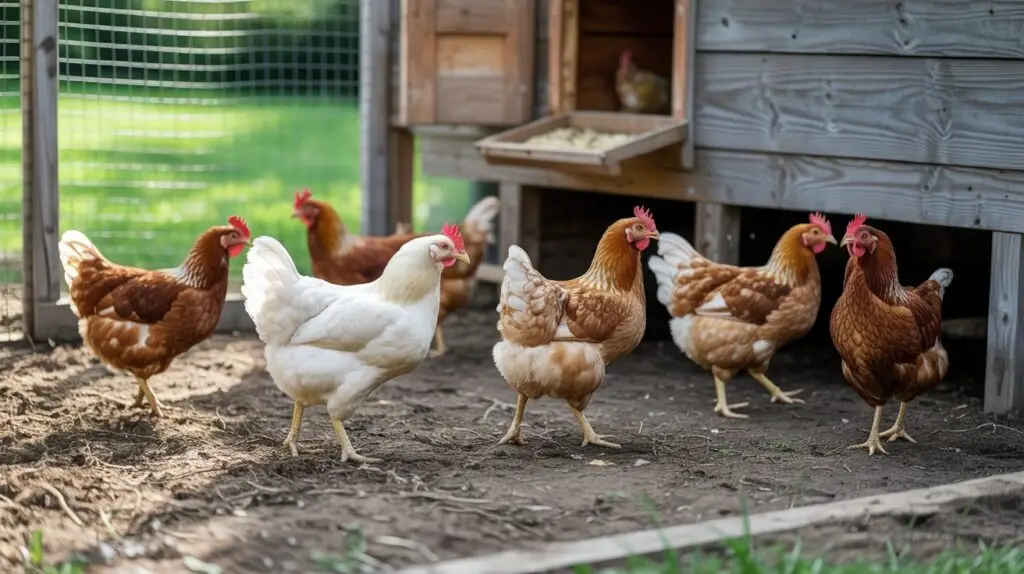
Disclosure: This post may contain affiliate links. If you purchase through these links, I may earn a small commission at no extra cost to you. Chicken poop is one of those things every new chicken owner thinks about eventually. At first, it does not seem like a big deal. Then the coop starts to smell, the bedding piles up, and you realize you need to manage it regularly. The good news is that chicken waste is not just something to get rid of. When handled the right way, it becomes one of the most useful by-products of raising backyard chickens. If you already have your coop set up, you’ll deal with waste every time you clean. If not, start with our Complete Beginner Guide to Raising Chickens so you understand the basics before your flock arrives. What Counts as Chicken Coop Waste Chicken coop waste is more than just manure. It includes: All of this builds up quickly inside your coop and run, making a cleaning schedule vital for your chickens’ continued good health and happiness. Regular cleaning prevents the buildup of ammonia, harmful bacteria, and parasites. That is why regular cleaning matters. When your flock’s environment is dry and clean, there is less risk of respiratory illness and other diseases like bumblefoot. It also helps control pests and keeps your eggs cleaner. If you have not yet cleaned a coop, see our guide on How to Clean a Chicken Coop, which walks you through the full process step by step. Why You Should Not Let Chicken Waste Build Up It is easy to ignore waste for a while, especially with a small flock. But it does not take long before problems show up. Most of these issues come down to one thing. Moisture. When bedding gets damp and waste builds up, your coop environment goes downhill fast. Also, accumulating chicken waste has high ammonia levels. Left unchecked, this can cause respiratory illness in your flock. In addition, it causes the buildup of harmful bacteria. For the good health of both the flock and humans, proper and regular waste management is necessary. The Easiest Ways to Handle Chicken Waste You have a few simple options for handling chicken waste. Most backyard chicken keepers use a mix of these. Compost It (Best Option) Composting is the most useful and popular way to handle chicken waste. Chicken waste is called garden gold for a reason. It is rich in nitrogen, which makes it excellent for improving soil. When you mix chicken manure with bedding like pine shavings or straw, you already have a good balance of materials and the basis for composting. Instead of throwing waste away, you turn it into something valuable. Gold. We go into more detail about this in our How to Compost Chicken Manure (Step-by-Step Guide). Use It in the Garden (After Composting) Once composted, chicken waste becomes a powerful natural fertilizer by improving soil structure, adding nutrients, and supporting plant growth. Never use fresh chicken manure directly in your garden, as it is too strong and can damage plants. Dispose of It Properly If you do not want to compost chicken waste, you can still dispose of it safely. Dispose of it with yard waste pickup, take it to a compost facility, or bag it and place it for trash pickup, depending on your local rules. Check your local guidelines before disposing of large amounts. You can also advertise free chicken waste. You would be surprised at how many gardeners would love to take it off your hands. How to Start Composting Chicken Waste (Simple Method) You do not need a complicated system to get started. Here is a simple beginner method. Step 1: Pick a Spot Choose a dry area in your yard for your compost pile or bin. Some people place their compost piles inside their chicken pen. However, this is not recommended for beginners. Step 2: Add Chicken Waste Each time you clean your coop, add the waste to your pile. This includes manure and bedding. Just scoop everything up, move it to your compost pile, and mix it in. Step 3: Add Carbon Material To balance the nitrogen in manure, mix in dry leaves, straw, and cardboard. Step 4: Keep It Slightly Moist Your compost should feel like a damp sponge. Not soaking wet and not completely dry. Step 5: Turn the Pile Occasionally Use a shovel or a pitchfork to mix the pile every 1-2 weeks. This helps to break it down faster. Step 6: Let It Break Down Over time, the material will turn into dark, crumbly compost. This is your garden gold. It can take a few months, depending on conditions like weather and the type of additions you make. 💡 Important Tip Never use fresh chicken manure directly in your garden. Always compost it first to avoid damaging plants and spreading bacteria. Common Chicken Waste Mistakes Beginners Make Most problems come from a few simple mistakes. One of the biggest is letting waste build up from too long between cleanings. This can attract pests and lead to ammonia buildup, which can cause respiratory issues. And many overlook ventilation, which plays a big role in preventing waste from becoming a bigger problem. How This Fits Into Your Coop Routine Managing chicken waste becomes easy when it is part of your routine. If you are still figuring out bedding, see our chicken coop bedding guide, which explains what works best and why. Once you combine good bedding, regular cleaning, and a simple waste plan, everything starts working together. Frequently Asked Questions What do you do with chicken poop? Most backyard chicken keepers compost it or dispose of it through yard waste systems. Can chicken waste be used as fertilizer? Yes, but only after it has been composted properly. Never place the poop directly on plants without composting first. Does chicken waste smell? It can, especially when it gets wet or builds up over time, releasing a pungent ammonia smell. How often