How to Clean a Chicken Coop (Step-by-Step for Beginners)
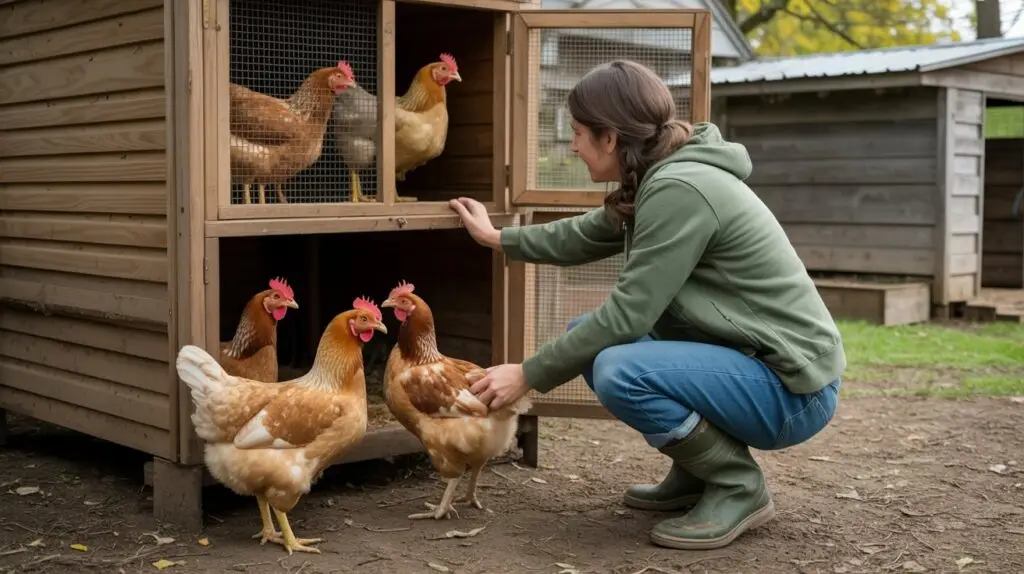
Disclosure: This post may contain affiliate links. If you purchase through these links, I may earn a small commission at no extra cost to you. If your chicken coop smells bad, looks messy, or starts attracting flies, it is time to clean it. The good news is that cleaning a chicken coop is not complicated. Once you have a simple routine, it becomes one of the easiest parts of keeping backyard chickens. Most beginners either clean too little or make it harder than it needs to be. This guide walks you through exactly what to do, step by step, so you can keep your coop clean without wasting time. If you are still setting up your coop, start with our Complete Beginner Guide to Raising Chickens, so you have the basics covered before your first deep clean. What You Need to Clean a Chicken Coop Before you start, gather a few basic supplies. Nothing fancy, just some things to make the chicken coop setup more organized. 🧰 Item 💡 Purpose Shovel or scoop Remove old bedding Bucket or wheelbarrow Carry waste out of coop Brush or scraper Loosen stuck debris Water hose or spray bottle Rinse surfaces Mild cleaning solution Disinfect coop Fresh bedding Replace old material If you are unsure what bedding to use, see our guide to chicken coop bedding for beginners, which breaks down the best options. How Often Should You Clean a Chicken Coop Most coops follow a simple schedule. Hot weather, rain, or a crowded coop may require more frequent cleaning. If your coop smells strong or feels damp, do not wait. Clean it promptly to prevent respiratory illness in your flock. Step-by-Step: How to Clean a Chicken Coop This process is simple and repeatable. Once you get a regular cleaning schedule going, you’ll be surprised at how easy it is to keep a backyard chicken flock. Step 1: Remove the Chickens Let your chickens out into the run or yard. This gives you space to work and keeps them from getting in the way. Step 2: Remove Old Bedding Use a shovel or scoop to remove all bedding from the coop floor and nesting boxes. Place it in a bucket or wheelbarrow. If you have a garden, there’s no better use for old bedding than a compost pile. Learn more about what to do with all that chicken poop in my What to Do with Chicken Poop and Coop Waste (Beginner Guide). Step 3: Scrape and Brush Surfaces After removing bedding, you will notice stuck droppings and debris. Use a scraper or brush to loosen anything stuck to the coop floor, roosting bars, and nesting boxes. This step makes a big difference in cleanliness. Step 4: Clean and Rinse Lightly spray down surfaces with water, then apply a mild cleaning solution. A simple 1:1 ratio mix of water and vinegar works well for most backyard coops. Or you can purchase a specially formulated chicken coop cleaner and deodorizer. Avoid harsh chemicals, as chickens are sensitive to strong fumes. Step 5: Let the Coop Dry Completely This step is the most important for maintaining your chickens’ health. Do not add new bedding until the coop is fully dry. Moisture is the main cause of odor and bacterial buildup. 💡 Important Tip Never put fresh bedding into a damp coop. Dry conditions are the key to controlling smell and keeping your chickens healthy. Step 6: Add Fresh Bedding Spread a fresh layer of bedding across the coop floor and inside the nesting boxes. Most coops do well with about 3 to 4 inches of bedding. Bedding should be deep enough for your hens to scratch around, rearrange, and roll around in. Once a week, scoop out soiled bedding and refill to the proper depth. Change out the bedding completely every 2 to 4 weeks, depending on how soiled it is. To make cleaning easier, consider purchasing nesting mats. These reusable mats are easy to clean and durable, helping prevent hens from scratching the bedding material out of their nesting boxes. Step 7: Return Your Chickens Once everything is dry and fresh, let your chickens back into the coop. They will usually start scratching around right away. Weekly vs Monthly Cleaning Routine 🗓️ Task 🧹 What to Do Weekly Remove droppings and add fresh bedding Monthly Remove all bedding and deep clean coop Common Mistakes When Cleaning a Chicken Coop Cleaning mistakes can create more problems than they solve. One common mistake is skipping cleaning for too long. This leads to odor, flies, and unhealthy conditions. Another mistake is using too much water. Excess moisture can soak into wood and make the coop harder to dry. Always let the coop dry completely before adding new bedding. The best plan of action is to clean the coop early in the morning and keep the chickens out in the run, or let them roam in the yard before putting them up for the night. Some beginners also use strong chemicals, which can harm chickens. Your best bet is to use a 1:1 vinegar-and-water solution to clean and disinfect your chickens’ home. How to Keep Your Coop Clean Longer There are a few simple habits that make cleaning much easier. If you want to improve your setup, check out our chicken coop bedding guide, which explains how bedding affects cleanliness. Frequently Asked Questions How long does it take to clean a chicken coop? A full cleaning usually takes 30 minutes to an hour, depending on coop size. Can I use bleach to clean a chicken coop? It is not recommended for routine cleaning. Mild solutions like vinegar are safer. What do I do with old bedding? You can compost it or dispose of it with yard waste. Why does my coop still smell after cleaning? This is usually caused by moisture or poor ventilation. Final Thoughts Cleaning a chicken coop does not have to be difficult. Once you follow a simple routine, it becomes quick and predictable. A clean coop
Chicken Coop Bedding Guide for Beginners
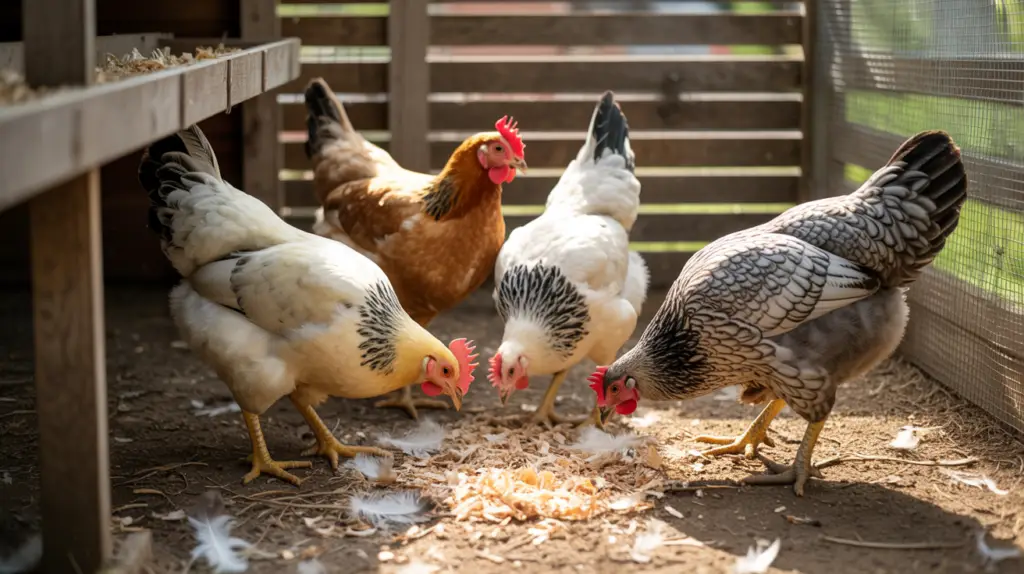
Disclosure: This post may contain affiliate links. If you purchase through these links, I may earn a small commission at no extra cost to you. If your chicken coop smells bad or looks messy, bedding is usually the reason. Most beginners don’t think much about bedding at first, focusing on the coop, the chickens, and the feed. Then, after a few weeks, the coop starts to smell, the floor gets damp, and eggs show up dirty. The good news is that this is an easy fix. Once you understand how bedding works and what to use, keeping your coop clean becomes simple and predictable. What Is Chicken Coop Bedding and Why It Matters Chicken coop bedding is the material you spread on the floor of your coop and inside nesting boxes. It does more than look nice. It keeps your flock comfortable, warm, and healthy. Good bedding absorbs moisture from droppings, controls odor, and helps keep your chickens dry. It also makes cleaning much easier because you are removing bedding instead of scraping waste off hard surfaces. Plus, if you are a gardener, using the mucked-out straw is one of the best things you can put in your compost pile for later garden fertilization. If you are still setting up your coop, make sure you start with the basics in our Complete Beginner Guide to Raising Chickens, which walks through everything you need before your birds arrive. When bedding is wrong or poorly managed, problems show up fast. Not only do you get strong smells, but you get wet spots, flies, and a higher risk of illness in your flock. When you get your coop right, your entire setup runs smoother. Best Bedding Options for Backyard Chickens There is no single perfect bedding option, but a few work well for beginners. Pine Shavings (Most Popular Choice) Pine shavings are the go-to bedding for most backyard chicken keepers. They are easy to find, affordable, and do a great job absorbing moisture. They also help control odor better than most other options. Pine shavings work well on coop floors and inside nesting boxes. They are lightweight and easy to remove during cleaning, antimicrobial, and easy to find. Avoid cedar shavings. Cedar gives off oils that can irritate a chicken’s respiratory system. Straw Straw is another common choice, especially in rural areas where it is easy to find. It provides good insulation and works well in colder weather, and chickens also like to scratch through it. The dry, hollow stems of straw absorb moisture well and are a good insulator, keeping nesting boxes dry and comfortable. This moisture-wicking keeps eggs clean and free of mold and bacteria. Straw also protects hens and their eggs from extreme cold temperatures. Hemp Bedding Hemp bedding is becoming more popular, especially for small backyard flocks. Its softness, absorbency, and moisture control make it a good choice for nesting boxes. It is also low-dust and lasts longer than pine shavings, meaning less cleaning. However, hemp is considerably more expensive and harder to source locally. If you want a low-maintenance setup and do not mind spending a little more, hemp is a strong option. Sand (Advanced Option) Some chicken keepers use sand instead of traditional bedding. Sand drains well and does not hold moisture like wood-based bedding. It is easy to clean by scooping droppings the same way you would clean a litter box. However, sand is heavy and can be difficult to manage. It also gets cold in winter, which may not be ideal in colder climates. For most beginners, sand is not recommended for beginner backyard chicken farmers. But if you have a little more experience or are willing to deal with the learning curve, it can work well in dry areas. Bedding Comparison 🐔 Bedding Type 👍 Pros ⚠️ Cons ⭐ Best For Pine Shavings Absorbent, controls odor, easy to find Needs regular replacing Most backyard setups Straw Cheap, good insulation Can mold, not very absorbent Cold climates Hemp Very absorbent, low dust More expensive Low-maintenance coops Sand Drains well, easy to clean Heavy, cold in winter Dry climates Bedding for Different Areas of the Coop Not all areas of your setup need the same bedding. Coop Floor The coop floor needs bedding that absorbs moisture. controls odor, and provides cushioning for your flock. Pine shavings or hemp work best here. Aim for a layer about 2 to 4 inches deep so it can handle daily droppings. Nesting Boxes Nesting boxes should be soft, clean, and dry. Straw or pine shavings work well. The goal is to cushion eggs and keep them clean. Check nesting boxes often and replace bedding when it becomes dirty or damp. Chicken Run Most chicken runs are bare dirt, but that can turn into mud quickly. Adding sand, mulch, or a layer of straw in problem areas can help control mud and improve drainage. How Much Bedding Do You Need You do not need to overthink this. A few inches of bedding on the coop floor is enough for most setups. Too little bedding leads to moisture buildup, and too much just wastes material. Start with about 2 to 4 inches and adjust based on how quickly it gets dirty or damp. How Often Should You Change Chicken Bedding A simple routine keeps everything under control. Light Cleaning Once a week, remove obvious droppings and add a small amount of fresh bedding. This makes the weekly cleaning task much easier and keeps the coop from getting out of hand. Full Cleaning About once a month, remove all bedding and replace it with fresh material. If you notice strong smells or damp spots sooner, you may need to switch to a bi-weekly cleaning. If you want a step-by-step walkthrough, see our guide on How to Clean a Chicken Coop (Step-by-Step for Beginners), which breaks down the process in detail. 💡 Beginner Tip If your coop smells bad, it is almost always a moisture problem, not a bedding problem. Improve airflow and keep
How Many Chickens Should a Beginner Start With?
This article contains affiliate links. I may or may not earn a small commission if you buy from any of these vendors. If you are new to raising chickens for beginners, choosing the right flock size is one of the first decisions you will need to make. One of the first questions new chicken keepers ask is simple. How many chickens should I start with? It sounds like an easy decision. It isn’t. The number you choose affects your space, your daily routine, your costs, and how many eggs you actually get. Start with too many, and things get overwhelming fast. Start with too few, and you may not get enough eggs, or you end up with a stressed flock. The good news is that you do not need to guess. Once you understand what really matters, the right number becomes clear. The Short Answer Most Beginners Are Looking For If you want a quick answer, here it is. Most beginners do best starting with 3 to 6 chickens. That range gives you: It is small enough to handle easily, but large enough to avoid common beginner problems. Now let’s break down why that range works so well. Why You Should Not Start Too Small Chickens are not solitary animals. They are flock animals. A single chicken will struggle. It will pace, call out, and show signs of stress. Even two birds can be risky. If one gets sick or dies, the other is left alone. A small group changes everything. With three or more chickens, the flock feels stable. They interact naturally, settle into a routine, and behave the way chickens are supposed to behave. If you are trying to decide how many chickens to start with, this is one of the most important things to understand. How Many Chickens Do You Need for Eggs? This is where your personal situation matters most. Some people want a few eggs each week. Others want enough for a family or even extra to share. Some of the best chicken breeds for beginners are known for consistent egg production. A healthy laying hen produces several eggs per week, but not on a perfect schedule. Production changes with the season, the breed, and the age of the bird. Egg production also depends on what chickens eat and how well their diet supports laying. Instead of guessing, think about your household. How often do you eat eggs?Do you bake often?Do you want extra? Once you answer those questions, the number of chickens you need becomes much easier to estimate. Simple Egg Production Guide If you are wondering how many chickens you need for eggs, this chart gives you a quick starting point. 🐔 Number of Chickens 🥚 Eggs Per Week 🏡 Good For 3 12–18 Couples or light egg use 4–6 18–30 Most families 8+ 30+ Large households or extra eggs Keep in mind that egg production is not perfectly consistent. Winter cold, summer heat, and molting all affect output. Space Will Limit Your Flock Size No matter how many chickens you want, your space sets the real limit. Chickens need room inside the coop and outside in the run. Without enough space, problems show up quickly. You will see things like pecking and aggression, stress, and lower egg production. Each bird needs enough space to move comfortably, rest, and stay out of each other’s way. If your yard is small, your flock should stay small. Trying to push beyond what your space allows usually leads to problems that are hard to fix later. More Chickens Means More Work Chickens are easy to care for, but they still need daily attention. Every day, you will need to check and refill water and feed, collect eggs, and do a quick health check. With a small flock, this takes just a few minutes. As you add more birds, those same tasks take longer. Cleaning becomes more frequent. Feed runs out faster. Small chores begin to stack up. It is not overwhelming, but it is noticeable. Starting with fewer chickens gives you time to build a routine that fits your schedule. Costs Increase with Flock Size Every chicken adds to your costs. Feed is the biggest ongoing expense. More birds mean more feed every week, and housing costs increase as well. A larger flock needs a larger coop, more bedding, and more supplies. The difference between a small flock and a large one is not just a few dollars. Starting small helps you control your budget while you learn. Should You Get All Your Chickens at Once? This is something many beginners overlook. It may seem easier to start with a few birds and add more later, but in reality, that can create problems. Chickens establish a pecking order. When new birds are introduced, that order is disrupted. The existing flock often chases and pecks the newcomers until a new hierarchy forms. It can be managed, but it takes time and extra space. Starting with one group avoids that issue. The birds grow together and form a stable flock from the beginning. Best Number of Chickens for Beginners If you are still wondering how many chickens you should start with, here is a simple way to think about it. Start with a number you can manage comfortably. For most people, that means that you have enough birds to form a stable group, enough eggs to meet your needs, and you don’t have so many that it adds flock stress or extra work. That is why most beginners land in the same range. It works. Common Beginner Mistakes A few mistakes keep showing up. Some people start with too many chickens. It feels exciting at first, but quickly becomes more work and more costly. Others go too small. One or two birds can create problems if something happens to one of them. Another common mistake is not planning ahead. Many people end up wanting more chickens later but do not have the space or setup to expand
Best Chicken Feed for Backyard Chickens: What Beginners Should Buy
This article contains affiliate links. I may or may not earn a small commission if you buy from any of these vendors. Walking into a feed store for the first time can feel like a lot. The shelves are lined with bags labeled starter, grower, layer, all-flock, medicated, non-medicated, mash, crumbles, and pellets. Every bag sounds important, but few make it clear which one your chickens actually need. The good news is that feeding backyard chickens is much simpler than it looks. In most cases, the right choice comes down to two things. How old are your birds, and what are you raising them for? A flock of laying hens needs different nutrition than a group of young chicks, and meat birds need something entirely different. Most backyard chickens do well on a complete commercial feed. That means the bag already contains the right balance of protein, vitamins, and minerals, so you are not left trying to piece together a diet on your own. This guide walks through the main types of chicken feed, explains what to look for on the label, and helps you choose the best option for your flock. Find out what to feed your chickens in our guide, What Do Chickens Eat? A Complete Feeding Guide. What Is the Best Chicken Feed for Backyard Chickens? The answer depends on what kind of birds you have and what stage of life they are in. A chick, a growing pullet, and a laying hen all need different things from their feed. This section covers why there is no single chicken feed and how you figure out what your flock needs. Why There Is No One-Size-Fits-All Chicken Feed There is no single feed that works for every chicken at every stage. A day-old chick needs 18–20% protein to support fast growth. A laying hen needs 16% protein and extra calcium to produce strong eggshells. A meat bird needs even higher protein to put on weight quickly. Feeding the wrong type can cause real problems. Too much calcium harms young birds, while too little protein slows egg production. The right feed matches the bird’s age and the job they have to do. Learn more about the roles of chickens in our Complete Beginner Guide to Raising Chickens. Why Complete Feed Is Best for Most Beginners A complete feed is formulated to be the only feed your chickens need. It contains protein, fat, fiber, vitamins, and minerals in the correct ratios. You do not need to mix grains, add supplements, or do any math. For beginners, a complete feed takes the guesswork out of nutrition. You fill the feeder, and your birds get what they need. Simple. How a Chicken’s Age Changes Its Feed Needs Chickens go through three main life stages, and each stage has a matching feed. Chicks eat starter feed from hatch to about 8 weeks. Pullets eat grower feed from 8 weeks to about 16 weeks. Laying hens eat layer feed from the time they start producing eggs. Each feed has a different protein level and calcium content designed for that stage. Skipping a stage or switching too early can hurt your birds. Types of Chicken Feed by Life Stage Chicken feed is grouped by life stage. Each type has a specific protein and calcium level that matches the bird’s needs at that age. There are five main types you will see at the feed store. Chick Starter Feed Chick starter is a high-protein feed (18–20%) made for birds from hatch to about 8 weeks old. Starter feed comes in fine crumbles, making it easier for young chicks to eat. This feed does not contain added calcium because too much calcium can damage a chick’s developing kidneys. Grower Feed Grower feed, a bridge between starter and layer feed, has a slightly lower protein level (14–16%) and is meant for pullets between 8 and 16 weeks. Layer Feed If you have active laying hens, you need a layer feed designed specifically for hens that are actively laying. This feed contains about 16% protein and 3–4% calcium to support strong eggshells. Most backyard chicken keepers with a flock of adult hens will use layer feed as their everyday feed. All-Flock Feed All-flock feed (sometimes called flock raiser) works for mixed-age groups and has moderate protein (around 18–20%) and lower calcium than layer feed. If you keep hens, chicks, and roosters together, all-flock feed works for all your chickens. You offer oyster shells on the side for the laying hens. Broiler Feed Broiler feed is a high-protein formula (20–24%) built for meat birds. It’s formulated for fast weight gain for your meat birds. Most backyard egg keepers will never need it, but if you raise Cornish Cross or other meat breeds, this is the feed to use. When you are ready to raise meat breeds, check out our guide, Raising Meat Chickens. 🐣 Feed Type 📅 Best For 📝 Main Purpose Chick Starter 0–8 weeks High protein for rapid early growth Grower Feed 8–18 weeks Moderate protein for steady development before laying Layer Feed 18+ weeks or when hens begin laying Added calcium and balanced nutrition for egg production All-Flock Feed Mixed-age flocks Balanced feed for mixed flocks; offer oyster shell separately for laying hens Broiler Feed Meat birds Higher protein feed for fast growth and weight gain Mash, Crumbles, or Pellets: Which Type of Chicken Feed Is Best? Chicken feed comes in three forms: mash, crumbles, and pellets. The nutrition is the same across all three feed forms. The difference is in texture, which affects how much feed your flock wastes and how easily the feed is for your chickens to eat. What Is Mash Feed? Mash is a loose, unprocessed mix of ground grains and nutrients. It looks like coarse flour. Mash is easy for very young chicks to eat, and you can mix it with warm water to make a porridge. The downside is waste. Chickens scratch through it and spill it on the ground. What
What Do Chickens Eat? A Complete Feeding Guide for Backyard Chickens
Disclosure: This post may contain affiliate links. If you purchase through these links, I may earn a small commission at no extra cost to you. One of the first questions new chicken keepers ask is “What do chickens eat?” Closely behind it is another important question: “How do you keep a backyard flock healthy and productive?” The good news is that chickens are not very picky. They can eat a wide range of foods, including commercial feed, grains, greens, insects, and some kitchen scraps. In this complete feeding guide, you’ll learn what chickens eat, which foods are safe, which foods to avoid, how feeding changes with the seasons, and how to choose the best feed for every stage of a chicken’s life. If you’re just starting out, our Complete Beginner Guide to Raising Chickens walks through everything from choosing breeds to setting up your first coop. What Do Chickens Eat? Chickens eat a wide variety of foods both in the wild and in backyard flocks. A healthy diet typically includes commercial feed, grains, insects, kitchen scraps, and fresh greens. A good chicken diet includes commercial feed, grains, insects, kitchen scraps, and fresh greens. Each of these plays a role in keeping your flock strong and productive. Commercial feed forms the backbone of most backyard chicken diets because it’s formulated to meet a chicken’s daily nutritional needs. Beyond that, chickens are natural foragers. They scratch the ground looking for bugs, seeds, and plant matter. Feeding chickens a mix of quality feed and natural forage produces the healthiest birds. Here’s a quick overview of the foods that make up a typical backyard chicken diet: 🐔 Food Type 🌾 Role in the Diet Commercial pellets or crumble Forms the bulk of a chicken’s daily diet and provides balanced nutrition. Grains (corn, oats, barley) Provide energy and carbohydrates for active birds. Insects and worms Deliver natural protein and encourage natural foraging behavior. Kitchen scraps Offer variety and nutrients when given in moderation. Leafy greens Provide vitamins and minerals while keeping chickens active. While chickens can eat many different foods, they still need the right balance of nutrients to stay healthy. The Basics of a Healthy Chicken Diet While chickens eat a wide variety of foods, they still need a balanced diet to stay healthy. A complete chicken diet covers four main nutritional areas. Protein Protein supports feather growth, muscle development, and egg production. Laying hens need about 16% protein in their diet. Good protein sources include mealworms, fish meal, and high-quality commercial feed. Free-ranging chickens also get extra protein from insects. Carbohydrates Carbohydrates give chickens energy. Corn, wheat, and oats are common sources. Don’t overdo it with corn, though. Too much corn can throw off the nutritional balance and lead to weight gain. Vitamins and Minerals Fresh greens, vegetables, and quality feed all contribute vitamins and minerals. Chickens that forage freely tend to get a good mix naturally. Confined birds may benefit from occasional vitamin supplements, especially if they have limited access to fresh forage. Calcium Laying hens require extra calcium to produce strong eggshells. Most layer feeds include calcium, but many keepers offer oyster shell as a free-choice supplement on the side. We’ll cover this more in a later section. Types of Chicken Feed Not all chicken feed is formulated the same way. The best chicken feed depends on your bird’s age and purpose. Starter Feed Starter feed is designed for chicks from hatch through about 8 weeks of age. It’s high in protein, usually around 20–22%, and supports rapid early growth. It typically comes as a fine crumble that young chicks can eat easily. Grower Feed Grower feed is used for pullets from about 8 weeks until they begin laying, usually around 18–20 weeks. Protein drops slightly, to around 16–18%, as growth slows and the body matures. Layer Feed Layer feed is formulated to support egg production and should make up the majority of the laying hen diet. Some breeds produce more eggs than others, which can affect how much feed they consume. Our guide to the Best Chicken Breeds for Beginners explains which breeds are known for reliable egg production. The best chicken feed for layers contains around 16% protein and added calcium. Switch your hens to layer feed when they start laying their first eggs. Feeding layer feed too early can stress young kidneys, so timing matters. What Chickens Can Eat (Safe Foods) Chickens can eat a surprisingly wide range of foods. Knowing what chickens can eat helps you use kitchen and garden scraps wisely. 🐔 Food ✅ Safe for Chickens? 📝 Notes Lettuce Yes Great hydration source Berries (strawberries, blueberries) Yes High in antioxidants Oats (cooked or raw) Yes Good energy source Corn Yes Feed in moderation Mealworms Yes Excellent protein boost Cooked rice Yes Plain only, no salt or seasoning Watermelon Yes A favorite summer treat Pumpkin Yes Seeds act as a natural dewormer Cooked vegetables Yes Avoid heavily seasoned leftovers Apples Yes Remove seeds before feeding Sunflower seeds Yes High in fat, feed sparingly Eggs (cooked) Yes Do not feed raw or whole Keep treats and scraps to less than 10% of your flock’s total daily intake. Too many extras push balanced nutrition out of commercial feed. If you’re new to keeping chickens, you may also want to read 10 Questions Every New Chicken Keeper Asks, which covers many of the most common beginner concerns. What Not to Feed Chickens Some foods are toxic to chickens. Knowing what not to feed chickens can help keep your birds healthy and prevent serious illness or death. ⚠️ Food 🚫 Why It’s Unsafe Avocado Contains persin, which is toxic to birds. Chocolate Theobromine causes heart and nervous system damage. Moldy food Mold produces mycotoxins that can kill chickens. Raw beans Contain phytohemagglutinins, a deadly toxin. Salty foods Salt poisoning causes neurological symptoms. Green potatoes or peels Contain solanine, a toxic compound. Onions Can cause hemolytic anemia in large amounts. Citrus fruit May reduce egg production and cause digestive upset. Rhubarb
Best Chicken Breeds for Beginners: 7 Easy Chickens for Your Backyard Flock
Disclosure: This post may contain affiliate links. If you purchase through these links, I may earn a small commission at no extra cost to you. Choosing the best chicken breeds for beginners can make raising backyard chickens easier and more enjoyable. If you’re just starting out, our Complete Beginner Guide to Raising Backyard Chickens walks through everything from choosing breeds to building your first coop. Pick the wrong breed, and you may end up with a flock that is flighty, noisy, or unpredictable, but pick the right one, and you get calm birds that lay eggs consistently. Breed choice shapes your daily experience in many ways. A docile hen accepts handling without protest, a hardy bird survives cold snaps without extra heat, and a productive layer puts eggs on your counter three to five times a week. For beginner chicken keepers, these traits matter more than looks or novelty. In this article, I discuss the seven backyard chicken breeds that experts and experienced hobbyists most often recommend. I’ll also show you which breeds to skip at first, how to match a breed to your climate and space, and how many birds to start with. By the end, you will have a clear plan for your first flock. Quick Comparison of the Best Chicken Breeds for Beginners The following breeds are widely considered the best chicken breeds for beginners because they are hardy, friendly, and dependable egg layers. 🐔 Breed 🥚 Eggs Per Year 😊 Temperament 🌤️ Climate Tolerance Rhode Island Red 250–300 Calm, confident Very cold-hardy Plymouth Rock 200–280 Gentle, docile Cold-hardy Australorp 250–300+ Quiet, calm Adaptable Buff Orpington 175–200 Very gentle Cold-hardy Sussex 200–250 Curious, friendly Heat-tolerant Easter Egger 200–280 Friendly, active Adaptable What Makes a Chicken Breed Good for Beginners? Not all chicken breeds are equally suited to beginners. Some are calm, hardy, and productive, while others require more experience to manage. The easiest chicken breeds for beginners tend to share a few important traits that make them easier and more enjoyable to raise. Temperament is one of the most important characteristics to consider. Friendly chicken breeds tolerate handling, stay calm around children, and integrate well with other hens in the flock. Nervous or aggressive birds can create constant stress for both the flock and the keeper. Egg production also matters to many beginners because eggs are often the main reason people raise chickens. The best backyard breeds typically produce at least 200 eggs per year. That works out to roughly four eggs per hen each week, meaning a small flock of four hens can easily supply a household with fresh eggs. Hardiness refers to how well a breed handles weather conditions. Cold-hardy chickens tolerate freezing winters without extra heating, while heat-tolerant breeds cope better with hot summers. Choosing a breed suited to your climate reduces the amount of extra care your flock will need. Ease of care includes practical considerations such as noise level, space requirements, and tolerance for confinement. Some breeds adapt well to smaller backyard runs, while others prefer wide open spaces. Some hens are quiet neighbors, while others announce every egg with enthusiastic cackling. When you combine the traits of temperament, egg production, hardiness, and ease of care, you get the characteristics that define the best chicken breeds for beginners. The breeds listed below meet most or all of these standards. Best Chicken Breeds for Beginners These backyard chicken breeds are widely recommended for their combination of friendliness, productivity, and hardiness. Rhode Island Red The Rhode Island Red is one of the most recommended egg-laying chickens in the United States. A healthy hen lays 250 to 300 brown eggs per year. If you want to understand production differences between breeds, see our guide on How Many Eggs Do Chickens Lay. Temperament runs calm and confident. Rhode Island Reds are not pushovers, but they are not aggressive either. They tolerate handling and adapt well to new situations. Most beginners find them easy to work with from day one. These are hardy chicken breeds in cold climates. Their single comb is somewhat cold-sensitive, but the rest of the bird handles freezing temperatures without trouble. I recommend applying a protective coating to the comb, such as a moisture-resistant ointment specifically made for poultry. Reds are active foragers and do well with space to roam, though they also manage in a well-sized run. Beginners who want reliable egg production and low drama will find Rhode Island Reds a solid first choice. Plymouth Rock Plymouth Rocks, often called Barred Rocks, are a beautiful bird with striking black-and-white striped feathers. These are among the friendliest chicken breeds you can raise, and they actively seek out human interaction, often following their owners around the yard. I can’t go outside without an entourage of clucking black and white hens. This is one of the best backyard chicken breeds for families. Plymouth Rocks tolerate children well and rarely peck or scratch. They stay calm during handling, which makes routine health checks simple. Egg production is reliable. Expect 200 to 280 brown eggs per year from a good hen. Plymouth Rocks also lay through winter better than many breeds, so your production stays steady when daylight drops. These are genuine backyard chicken breeds built for small farms and suburban coops. They adapt to confinement without becoming stressed and do well in both warm and cold climates. Australorp The Australorp holds a world record for egg production. In 1923, one Australorp hen laid 364 eggs in 365 days (Livestock Conservancy). Modern production averages 250 to 300 eggs per year, making these some of the best egg-laying chickens available to backyard keepers. Australorps are quiet and calm. They rarely cause problems within the flock and accept new birds more easily than many breeds. Their temperament makes them a good fit if you plan to expand your flock over time. Adaptability is another strong point as the Australorps handle both cold winters and warm summers better than most dual-purpose breeds. Originating in Australia, the Australorps easily handle
Complete Beginner Guide to Raising Backyard Chickens
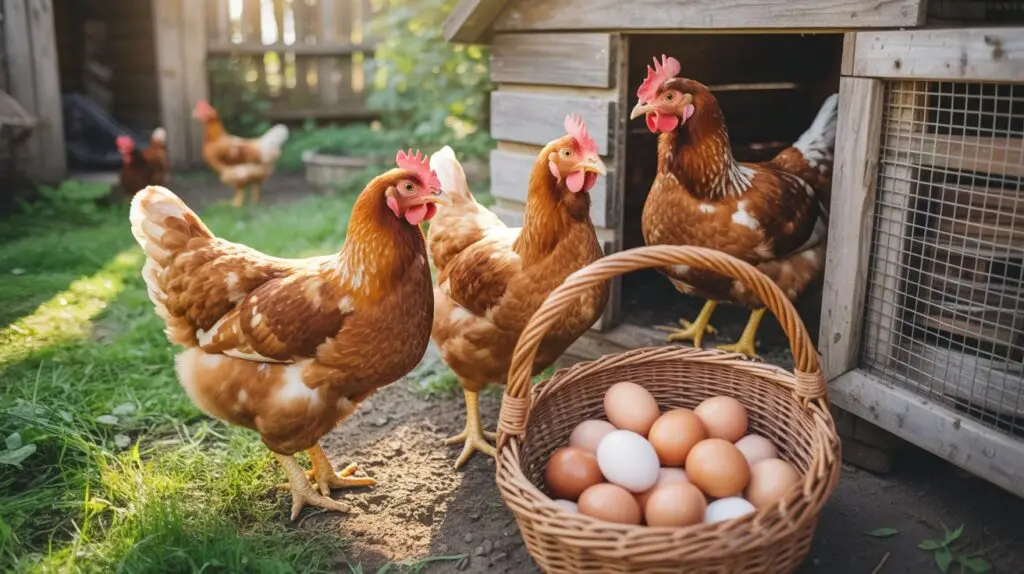
Disclosure: This post may contain affiliate links. If you purchase through these links, I may earn a small commission at no extra cost to you. Backyard chickens have gone from a rural tradition to a suburban staple. Across the United States, millions of households now keep small flocks in their yards. The reasons are practical: fresh eggs every morning, natural pest control, and a surprising amount of entertainment from birds with their own personalities. Believe me, just the idea of raising backyard chickens for the first time feels like a daunting task. If you’re wondering how to raise backyard chickens successfully, the process is actually simpler than most beginners expect. There are breeds to choose, coops to build, feed to buy, and local rules to research. This guide covers every step so you can start with confidence. Chickens are forgiving animals. Most beginners get it right, and the ones who struggle early usually do so for avoidable reasons that this guide will help you skip. Why Raise Backyard Chickens? The most obvious reason people start raising chickens for eggs is the steady supply they get from their own backyard flock. This is possibly one of the best reasons for having a productive backyard flock. A healthy hen lays roughly 250 to 300 eggs per year during her peak years, and you can’t beat food that goes directly from source to kitchen. Store-bought eggs spend days in transit before even reaching a shelf. Backyard eggs go from nest to kitchen the same day. Then there’s the plus side of the rich, dark yolks, because you control what your birds eat. The benefits of owning backyard chickens go far beyond the breakfast table. Chickens are your own personal pest control, eating beetles, grubs, ticks, and fly larvae. A small flock working through a garden bed significantly reduces pest control pressures. Plus, you have the added benefit of mixing their droppings with bedding material like straw, along with vegetables and other plant materials. These break down into one of the best garden fertilizers available. Gardeners who keep chickens often stop buying fertilizer entirely. We’ve owned chickens for years, and our children have always found them to be engaging pets. Each bird behaves differently and has a very distinct personality. Some breeds are calm and easy to handle, others are bold and curious. Children who help care for your flock learn responsibility in a concrete way, while the chickens provide a tangible return on the feed you buy. Just another reason to own a backyard flock. Check Local Laws Before Getting Chickens Before buying a single chick, spend an hour checking your local rules. Many cities and counties allow backyard chickens with restrictions, and some ban them outright. Getting this wrong means rehoming birds you have already bonded with. Here is what to look for: Your city or county website usually lists this information under zoning or animal control. A quick call to your local zoning office confirms anything unclear. This step takes less than an hour and prevents serious problems later. ⬆ Back to top How Many Chickens Should Beginners Start With? Three to six chickens is the right range for most beginners. A flock of three gives you enough eggs for a small household and enough social dynamics to observe. Six birds produce more eggs and give you a buffer if one hen stops laying or gets sick. Chickens are social animals. A single chicken kept alone will be stressed and unhappy. Two is a minimum. Three or more is better. If you want enough eggs to share with neighbors or family, four to six hens is a practical target. Here is a rough guide to weekly egg output based on flock size, assuming healthy hens of good laying breeds: 🐔 Number of Chickens 🐔 Estimated Eggs Per Week 3 12 to 15 4 16 to 20 6 24 to 30 These numbers reflect prime laying years. Production drops in winter, during molting, and as hens age past three or four years. Start with the number that fits your household needs, and plan your coop space around your target flock size. Best Chicken Breeds for Beginners 🐔 Chicken Breed 🥚 Eggs Per Year 🐔 Temperament Rhode Island Red 250–300 Hardy, confident, sometimes assertive Plymouth Rock 200–250 Friendly, calm, family-friendly Australorp 250–300 Quiet, gentle, excellent layers Buff Orpington 180–220 Very friendly, docile, great for children Sussex 230–250 Curious, active, adaptable Breed choice is a key factor in building a backyard flock. Some breeds are docile and easy to handle, while others are flighty or aggressive. For a first flock, know what the best chicken breeds for beginners are, and pick breeds known for calm temperament, consistent egg production, and adaptability to your climate. Rhode Island Red Rhode Island Reds are among the most popular backyard breeds in America. They lay large brown eggs reliably, often 250 to 300 per year. They tolerate cold well and adapt to both confinement and free-ranging. They can be assertive in the flock hierarchy but are generally manageable for beginners. I do not recommend keeping Rhode Island Red roosters, as they can be bullies in the pen. The hens can sometimes have aggressive spells, but they are worth any extra work of separating them if that happens. You just can’t beat this breed for their ability to lay large, brown eggs. Plymouth Rock Plymouth Rocks, often called Barred Rocks, are calm, friendly, and dependable. They lay around 200 brown eggs per year and handle cold weather well. They are one of the best breeds for families with children because they tolerate handling without much fuss. Australorp Australorps hold the world record for egg production: 364 eggs in 365 days from one bird, but on average, the Australorps lay 250 or more eggs per year. They are gentle, quiet, and do well in small backyards. Buff Orpington Orpingtons are the golden retrievers of the chicken world, and another favorite of mine. They are large, fluffy, calm, and friendly. And