

How to Compost Chicken Manure Safely (Step-by-Step for Beginners)
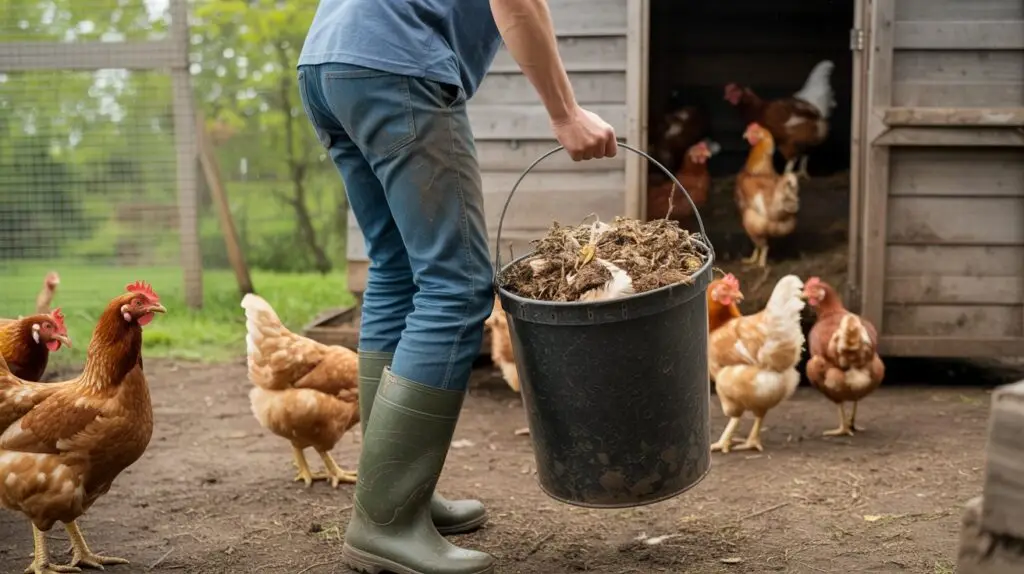
Disclosure: This post may contain affiliate links. If you purchase through these links, I may earn a small commission at no extra cost to you. Chicken manure is one of the best things your flock can produce for your garden. There’s a reason it’s called garden gold. It is rich in nutrients, especially nitrogen, and can make excellent compost when handled properly. The problem is that raw chicken manure is too strong to use straight from the coop. It can burn plants, add too much salt, and raise food safety concerns if used without proper composting and curing. That is why composting matters. Instead of treating coop cleanup like a waste problem, you can turn manure and used bedding into a dark, crumbly soil amendment that improves soil structure, water-holding capacity, and nutrient availability. University extension sources note that well-managed composting helps reduce odor and pathogen concerns compared with simply piling manure and litter in one spot. If you are still working on your coop routine, read our How to Clean a Chicken Coop guide first. Why You Should Compost Chicken Manure Instead of Using It Fresh Fresh chicken manure is powerful, but it is not garden-ready. Chicken manure has a very low carbon-to-nitrogen ratio compared with materials like straw, leaves, or wood shavings. Kentucky and Nebraska extension sources note that successful composting usually works best at a carbon-to-nitrogen (C/N) ratio of about 30:1, while chicken manure is much higher in nitrogen. That is why bedding matters so much in the compost pile. In addition to adding bedding from the coop, add grass clippings and leaves from your yardwork. If you know someone with a lawn service, you may be able to take some of the grass clippings and leaves off their hands. They may be all too happy to have you take them rather than having to dispose of them themselves. Raw manure can also be too salty and too strong for seedlings and transplants. The University of Idaho and Oregon both warn that manure-based composts can cause plant problems if they are not fully composted and cured before use. While some gardeners say you can let your compost pile cook for 2-3 months, a better timeframe is 6 months to 1 year. Once you have your first year as a backyard chicken keeper under your belt, it is easy to set up composting with your twice-yearly deep cleaning. Composting helps the material heat up, break down, and stabilize over time. Properly managed piles need the right balance of nitrogen, carbon, oxygen, moisture, and mass. All you need is a weekly stir, with the ideal time to turn being when the internal compost pile temperature falls from its peak of 130–160°F down to 130°F. When this happens, the bacteria need more oxygen to keep breaking down the compost. It’s not complicated. You need a weekly compost maintenance schedule. What You Can Compost from the Coop Most backyard flock owners can compost all of the normal coop cleanup material, including: Those materials are actually a good starting point because manure supplies nitrogen and bedding supplies carbon. The University of Idaho notes that poultry litter, with roughly 25 percent manure and 75 percent bedding, is a very good starting material for high-quality compost for garden use. What you should avoid adding: Those do not help the process and can create odor, pest, or contamination problems. What You Need Before You Start You do not need expensive equipment, but a few things make composting much easier. 🧰 Item Why You Need It Compost bin or pile area Keeps material contained and easier to manage Shovel or pitchfork For mixing and turning the pile Compost thermometer Helps you know if the pile is heating properly Carbon material like dry leaves, grass clippings, or straw Balances wet, nitrogen-rich manure Water source Adjusts moisture if the pile gets too dry Tarp or cover Keeps heavy rain from soaking the pile A compost thermometer is especially helpful because extension sources recommend monitoring heat rather than guessing. Kentucky Extension specifically recommends having one for backyard poultry litter composting. Where to Put Your Compost Pile Pick a spot that is easy to reach from the coop but not right up against your house. A good compost site should be: Kentucky Extension notes that bins do well in a shaded area, so the pile does not dry out too quickly. If your climate is very wet, a roof, tarp, or other cover helps keep the pile from turning soggy. For a small backyard flock, a simple bin system works well. One bin can hold the active pile, while a second bin or a separate area is used to cure the finished compost. A two-bin system fits in perfectly with your bi-annual deep cleaning. The Best Mix for Composting Chicken Manure This is where most beginners either succeed or struggle. Chicken manure is rich in nitrogen. Pine shavings, straw, dry leaves, grass clippings, and shredded cardboard are carbon-rich. Good composting needs both. USDA organic standards specify an initial carbon-to-nitrogen ratio of 25:1 to 40:1 for compost, and commonly recommend 25:1 to 30:1 as the sweet spot for fast composting. In plain English, that means: University of Idaho says litter with around 25 percent manure and 75 percent bedding is a very good starting point. If your coop cleanup looks much heavier on manure than that, add extra dry leaves, grass clippings, pine shavings, or straw. If it looks mostly like dry bedding with very little manure, the pile may need more nitrogen-rich material to heat up well. This is where kitchen scraps can be a helpful ingredient. However, avoid meat or greasy scraps. Step-by-Step: How to Compost Chicken Manure Now that you’ve picked the perfect spot for your compost pile and you’ve gathered all your supplies, it’s time to start cooking. Step 1: Build the pile with enough volume Tiny piles do not heat well. A pile may fail to heat because it is too small. Many home composting guides
What to Do With Chicken Poop and Coop Waste (Beginner Guide)
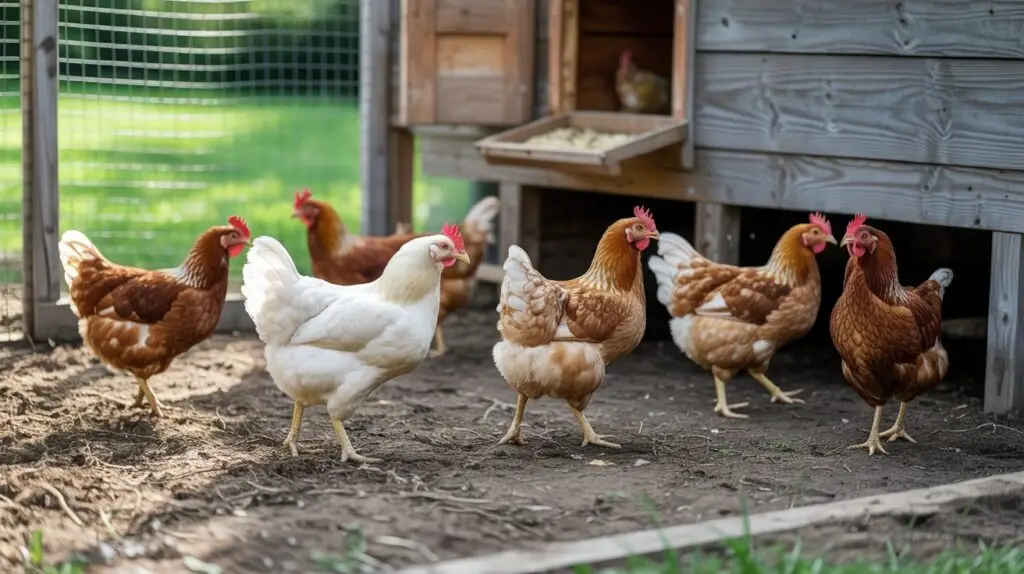
Disclosure: This post may contain affiliate links. If you purchase through these links, I may earn a small commission at no extra cost to you. Chicken poop is one of those things every new chicken owner thinks about eventually. At first, it does not seem like a big deal. Then the coop starts to smell, the bedding piles up, and you realize you need to manage it regularly. The good news is that chicken waste is not just something to get rid of. When handled the right way, it becomes one of the most useful by-products of raising backyard chickens. If you already have your coop set up, you’ll deal with waste every time you clean. If not, start with our Complete Beginner Guide to Raising Chickens so you understand the basics before your flock arrives. What Counts as Chicken Coop Waste Chicken coop waste is more than just manure. It includes: All of this builds up quickly inside your coop and run, making a cleaning schedule vital for your chickens’ continued good health and happiness. Regular cleaning prevents the buildup of ammonia, harmful bacteria, and parasites. That is why regular cleaning matters. When your flock’s environment is dry and clean, there is less risk of respiratory illness and other diseases like bumblefoot. It also helps control pests and keeps your eggs cleaner. If you have not yet cleaned a coop, see our guide on How to Clean a Chicken Coop, which walks you through the full process step by step. Why You Should Not Let Chicken Waste Build Up It is easy to ignore waste for a while, especially with a small flock. But it does not take long before problems show up. Most of these issues come down to one thing. Moisture. When bedding gets damp and waste builds up, your coop environment goes downhill fast. Also, accumulating chicken waste has high ammonia levels. Left unchecked, this can cause respiratory illness in your flock. In addition, it causes the buildup of harmful bacteria. For the good health of both the flock and humans, proper and regular waste management is necessary. The Easiest Ways to Handle Chicken Waste You have a few simple options for handling chicken waste. Most backyard chicken keepers use a mix of these. Compost It (Best Option) Composting is the most useful and popular way to handle chicken waste. Chicken waste is called garden gold for a reason. It is rich in nitrogen, which makes it excellent for improving soil. When you mix chicken manure with bedding like pine shavings or straw, you already have a good balance of materials and the basis for composting. Instead of throwing waste away, you turn it into something valuable. Gold. We go into more detail about this in our How to Compost Chicken Manure (Step-by-Step Guide). Use It in the Garden (After Composting) Once composted, chicken waste becomes a powerful natural fertilizer by improving soil structure, adding nutrients, and supporting plant growth. Never use fresh chicken manure directly in your garden, as it is too strong and can damage plants. Dispose of It Properly If you do not want to compost chicken waste, you can still dispose of it safely. Dispose of it with yard waste pickup, take it to a compost facility, or bag it and place it for trash pickup, depending on your local rules. Check your local guidelines before disposing of large amounts. You can also advertise free chicken waste. You would be surprised at how many gardeners would love to take it off your hands. How to Start Composting Chicken Waste (Simple Method) You do not need a complicated system to get started. Here is a simple beginner method. Step 1: Pick a Spot Choose a dry area in your yard for your compost pile or bin. Some people place their compost piles inside their chicken pen. However, this is not recommended for beginners. Step 2: Add Chicken Waste Each time you clean your coop, add the waste to your pile. This includes manure and bedding. Just scoop everything up, move it to your compost pile, and mix it in. Step 3: Add Carbon Material To balance the nitrogen in manure, mix in dry leaves, straw, and cardboard. Step 4: Keep It Slightly Moist Your compost should feel like a damp sponge. Not soaking wet and not completely dry. Step 5: Turn the Pile Occasionally Use a shovel or a pitchfork to mix the pile every 1-2 weeks. This helps to break it down faster. Step 6: Let It Break Down Over time, the material will turn into dark, crumbly compost. This is your garden gold. It can take a few months, depending on conditions like weather and the type of additions you make. 💡 Important Tip Never use fresh chicken manure directly in your garden. Always compost it first to avoid damaging plants and spreading bacteria. Common Chicken Waste Mistakes Beginners Make Most problems come from a few simple mistakes. One of the biggest is letting waste build up from too long between cleanings. This can attract pests and lead to ammonia buildup, which can cause respiratory issues. And many overlook ventilation, which plays a big role in preventing waste from becoming a bigger problem. How This Fits Into Your Coop Routine Managing chicken waste becomes easy when it is part of your routine. If you are still figuring out bedding, see our chicken coop bedding guide, which explains what works best and why. Once you combine good bedding, regular cleaning, and a simple waste plan, everything starts working together. Frequently Asked Questions What do you do with chicken poop? Most backyard chicken keepers compost it or dispose of it through yard waste systems. Can chicken waste be used as fertilizer? Yes, but only after it has been composted properly. Never place the poop directly on plants without composting first. Does chicken waste smell? It can, especially when it gets wet or builds up over time, releasing a pungent ammonia smell. How often