
Brooder Setup And Care For Baby Chicks
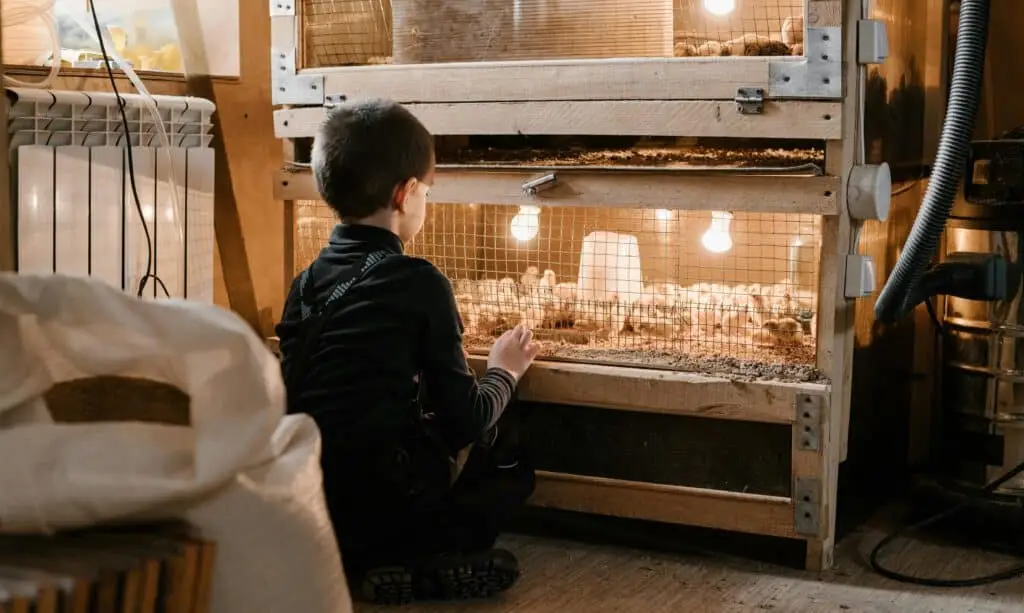
If you’re new to raising chickens, you might be surprised to learn how crucial the first few weeks of a chick’s life are. During this sensitive period, a well-prepared brooder serves as a temporary home where the baby chicks can stay warm, safe, and well-fed as they begin their journey to adulthood. A brooder is the chick’s first home; getting it right is critical. Imagine a cozy, well-appointed nursery, but for chicks. It’s here they’ll grow, develop, and require an environment that caters to their unique needs. These needs can be summed up into four essential components: a reliable heat source, appropriate bedding, adequate space, and safety. As a caring chick owner, the health and comfort of these young birds are in your hands. The brooder invests in their well-being and your flock’s future productivity and health. The extra effort now sets you up for fewer issues in the future. Remember, setting up a brooder goes beyond just buying and assembling parts. It’s about understanding the underlying whys and hows that will ensure your chicks thrive. Now, I’ll guide you through choosing and preparing a suitable brooder in the next section so your chicks can flourish from day one. Choosing and Preparing the Right Brooder Your choice of brooder sets the stage for the health and growth of your baby chicks. A brooder can be as simple as a cardboard box for small batches or a more elaborate setup for larger flocks. Commercial brooders come with all the bells and whistles but can be costly. On the other hand, a do-it-yourself (DIY) approach requires more hands-on setup but can be a cost-effective and rewarding experience. While it takes a time investment, building a brooder is not difficult, and many people find it a rewarding experience when preparing for their new chicks. It just takes some patience and requires an attention to detail. ? DIY Baby Chick Brooder ? Follow these steps to build your own DIY baby chick brooder: Choose a suitable container for your brooder, such as a large cardboard box or plastic tub. Ensure the brooder provides enough space for each chick to easily move around. Make sure the brooder is safe from any sharp objects or safety hazards. Ensure the brooder is easy to clean or discard, especially since chicks can be messy. Place a heat source, such as the EcoGlow, inside the brooder to keep the chicks warm. Provide easy access to food and water for the chicks. Brought to You by thebackyardchickenfarmer.com ? Cleanliness is paramount, even when all the materials are new. A thorough scrub with a disinfectant ensures your brooder is free from pathogens that can harm delicate chicks. Careful consideration of brooder placement is a necessary step. Place your brooder in a draft-free area where you can easily monitor and access it, yet out of reach from household pets and other potential dangers. Regular maintenance, including daily cleaning of equipment and bedding, is essential for preventing the build-up of harmful bacteria and maintaining a healthy environment. Adding a reliable heat source is one of the most crucial steps in brooder setup. The ambient temperature inside the brooder should be approximately 95 degrees Fahrenheit for the first week of life, then decrease the temperature by about 5 degrees each week afterward. Use a thermometer to monitor the temperature. Avoid temperature fluctuations, which can harm the chicks’ health and well-being. As an Amazon Associate, I earn commission from qualifying purchases which helps with website upkeep. The chicks’ transition to the coop is a significant milestone. As they feather out and grow, they’ll become more independent and capable of regulating their body temperatures. The ground rules you’ve set by choosing and preparing an appropriate brooder will impact their transition to the next phase of life. Daily Care and Monitoring of Your Baby Chicks Baby chicks require attentive daily care beyond just providing food and water. Your close observation and engagement are essential in fostering their health and happiness. Regularly checking on your chicks several times daily keeps you aware of their activity levels and behavior, which are strong indicators of their well-being. ? Daily Baby Chick Care ? Check and refill waterers and feeders to ensure your chicks have access to clean water and fresh feed. Monitor the temperature in the brooder and adjust the heat source as needed to keep the chicks warm. Observe the chicks for any signs of illness or distress, such as lethargy or abnormal behavior. Provide enrichment activities, such as dust baths or hanging treats, to keep the chicks entertained and stimulated. Keep the brooder clean by removing any soiled bedding and replacing it with fresh bedding. Handle the chicks gently and avoid stressing them unnecessarily. Interact with the chicks daily to help socialize them and build trust. Brought to You by thebackyardchickenfarmer.com ? Feeding baby chicks isn’t simply scattering some feed into their brooder. They need a balanced diet appropriate for their growth stage. STARTER FEED is the go-to during their early weeks, as it’s packed with crucial nutrients. Ensure feed is accessible and refresh it daily to prevent spoilage. Hydration is just as critical. Chicks should have constant access to clean, fresh water. Check water containers throughout the day to ensure they’re full and clean. Opt for shallow water dishes or add marbles or pebbles to deeper ones to prevent drowning. Observing your chicks can clue you into their health status. Active and curious behavior typically signals that they’re healthy. Be on the lookout for concerning signs like lethargy, unsteady walking, or lack of appetite. If such symptoms appear, consulting a veterinarian is your safest bet. Accurate environmental control within the brooder can’t be overstated. You need to maintain the correct temperature gradient; as chicks grow, they’ll require less heat. Use a thermometer for precise measurement, and notice if chicks huddle (too cold) or pant (too hot). Adjust accordingly. Finally, proper humidity and good ventilation prevent respiratory issues and regulate temperatures. However, avoid drafts. Cleanliness also deserves
How To Get Ready For Baby Chicks
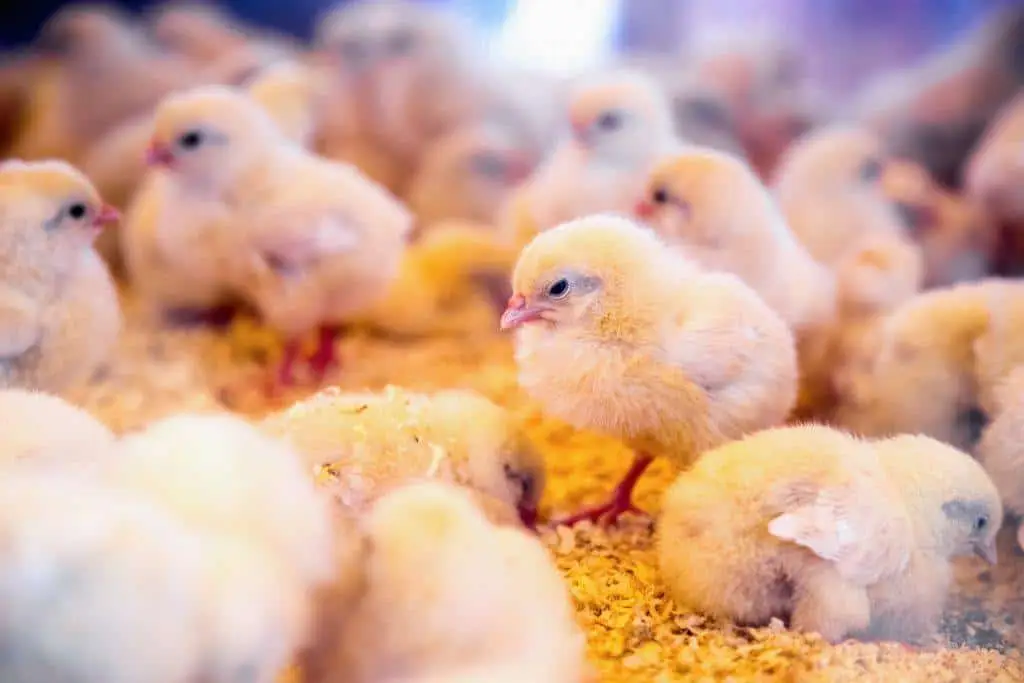
I know it is still winter, but it is never too early to start planning for spring when it comes to raising chickens. Mid to late winter is when we start thinking about adding chickens to our flock and what chickens we need to add. We raise mostly laying hens, so we decide what breeds we want to add. Some breeds, like Rhode Island Reds, sell out quickly, so we like to ensure they are at the top of the list when we order. Welcoming new life into your world is an enriching experience, and when it comes to rearing baby chicks, it’s no different. The prospect of tiny fluff balls developing into full-grown hens or roosters is an exciting journey. However, it’s not without its demands. Preparation is vital to starting your flock off right. You are laying the foundation for a happy, healthy flock. The First Step in Raising Baby Chicks The next step in your backyard chicken adventure is setting up a brooder for your baby chicks. But before we work through setting up a brooder, we need to start with what you need to do right now to ensure you’re ready for the arrival of your chicks. We must create a checklist to prepare a nurturing environment for our young flock members. Your new brood will thrive if you know the basics, like warmth, nutrition, and safety. Pay attention to the details to be successful at raising healthy chicks. Like a new parent, you’ll find that attention to these details makes all the difference. With that in mind, let’s move on to the practicalities of constructing a comfortable, safe, and welcoming space for your chicks by giving them the perfect brooder. The Perfect Brooder A brooder is your chicks’ first home, where they’ll spend the earliest weeks of their lives. To ensure they flourish, finding the right location is vital. A quiet corner in a garage or a spare room, away from predators and traffic, works well. Keep it away from windows to avoid drafts, yet somewhere with enough ventilation to prevent moisture buildup. You can buy a commercial brooder or make one using a large cardboard box, plastic tub, or a repurposed furniture piece like a large dresser drawer. Just remember the space must be warm, dry, and spacious enough for the chicks to move freely. If you are new to brooding chicks, making a simple brooder before investing money in a fancier commercial brooder might be the better choice. While commercial brooders have some great options, you may want to try raising a flock of baby chicks before investing the extra money. If you are sure about raising baby chickens, here are some great brooder options for your fledgling flock. As an Amazon Associate, I earn commission from qualifying purchases which helps with website upkeep. The brooder must include a heat source, as chicks require consistent warmth. Aim for a temperature of 95 degrees Fahrenheit in the first week, which can be achieved using a red heat lamp or a safer radiant heat plate. Over time, reduce the temperature by 5 degrees per week until they acclimate to room temperature. Bedding plays an integral role in maintaining a clean environment for the chicks. Pine shavings or chopped straw absorb moisture, control odor, keep the chicks comfortable, and make suitable bedding options. Stay clear of cedar shavings and newspapers; they aren’t safe for chicks due to toxicity and slipperiness. We bought wood shavings for Guinea Pigs and Hamsters from our area farm store. Safety is paramount. Ensure the brooder is predator-proof and has a cover to prevent the chicks from escaping. Additionally, secure the heat source so it won’t fall over and cause a fire hazard. Regular cleaning is crucial to maintain good health. Having designated feeding and watering areas will help keep the nest clean. Ordering Baby Chicks Baby chicks will arrive at your local feed stores later this month through March, depending on where you live. I like buying my chicks from a small, family-owned feed store about five miles from our house. They have a fair selection of healthy chicks to choose from. Some box stores like Ace Hardware stores, Atwoods, and Tractor Supply. However, I like to order from online sources for the best selections. If you use a reputable hatchery and time your delivery correctly, you should be okay with ordering chicks online. ? Places to Order Baby Chicks ? Hatchery Visit their Website Vaccination Option Cackle Hatchery Visit Website Yes Meyer Hatchery Visit Website Yes Murray McMurray Hatchery Visit Website Yes Brought to You by thebackyardchickenfarmer.com ? Nutrition and Hydration for Your Chicks A fitting start in nutrition sets the foundation for a healthy life, especially for baby chicks. When you’ve got everything cozy in your brooder, it’s time to focus on what goes into your chicks. A balanced diet makes all the difference. Opt for a starter feed formulated with the right balance of protein, vitamins, and minerals that chicks require. You can choose between medicated or unmedicated feed, depending on whether your chicks have been vaccinated against coccidiosis. If in doubt, consult a vet. With their feed sorted, attention turns to water – the source of life. Chicks need constant access to fresh, clean water. That means changing it daily or even more frequently if it gets dirty. For this, waterers designed for chicks, which prevent drowning and keep the water clean, are essential. You might be tempted to throw in some kitchen scraps as treats, but caution is advised. Until chicks are a little older, their digestive systems aren’t ready for complex foods. Stick to grit to give them something extra to aid digestion. Ready to ensure their continued health and comfort? In the next section, I’ll discuss how to observe your chicks for signs of health issues and maintain their well-being through vigilant care and comfortable living conditions. Raise Healthy Chicks Monitoring the health and well-being of your baby chicks is crucial. Even with