Disclosure: This post may contain affiliate links. If you purchase through these links, I may earn a small commission at no extra cost to you.
Buying baby chicks is one of the most exciting parts of starting a backyard flock.
It is also where many beginners make mistakes.
Where you buy your chicks matters more than most people realize. Healthy birds, the right breed, and proper handling early on all make a difference in how your flock performs later. After you buy your birds, read our guide on raising baby chicks for beginners so you are ready before they arrive.
If you are just getting started, make sure your setup is ready before you bring chicks home. Our Complete Beginner Guide to Raising Chickens walks you through everything you need before your first purchase.
Best Places to Buy Baby Chicks
| 🐔 Source | 👍 Pros | ⚠️ Cons | ⭐ Best For |
|---|---|---|---|
| Feed Stores | Immediate access, see chicks in person | Limited breed selection | Beginners who want simple setup |
| Hatcheries | Wide variety, sexed chicks, shipped | Shipping time, minimum orders | Specific breeds or larger flocks |
| Local Breeders | Locally adapted birds, small batches | Harder to find, limited availability | Custom or heritage flocks |
There are three main options, and each has its advantages.
Local Feed Stores and Farm Supply Stores
Local feed stores are one of the easiest ways to get started.
Stores like Tractor Supply Co. and local feed stores often carry chicks in the spring, especially in areas like Texas, California, Florida, and Georgia, where backyard flocks are common. You can see the chicks in person, which gives you a chance to observe their behavior and condition before buying. There are no shipping costs, and you can take them home the same day.
The downside is limited breed selection. You usually get a small group of common breeds, and availability depends on timing. For specialty or Heritage breeds, your best chance of getting what you want is by ordering through an online hatchery.
Reputable Hatcheries
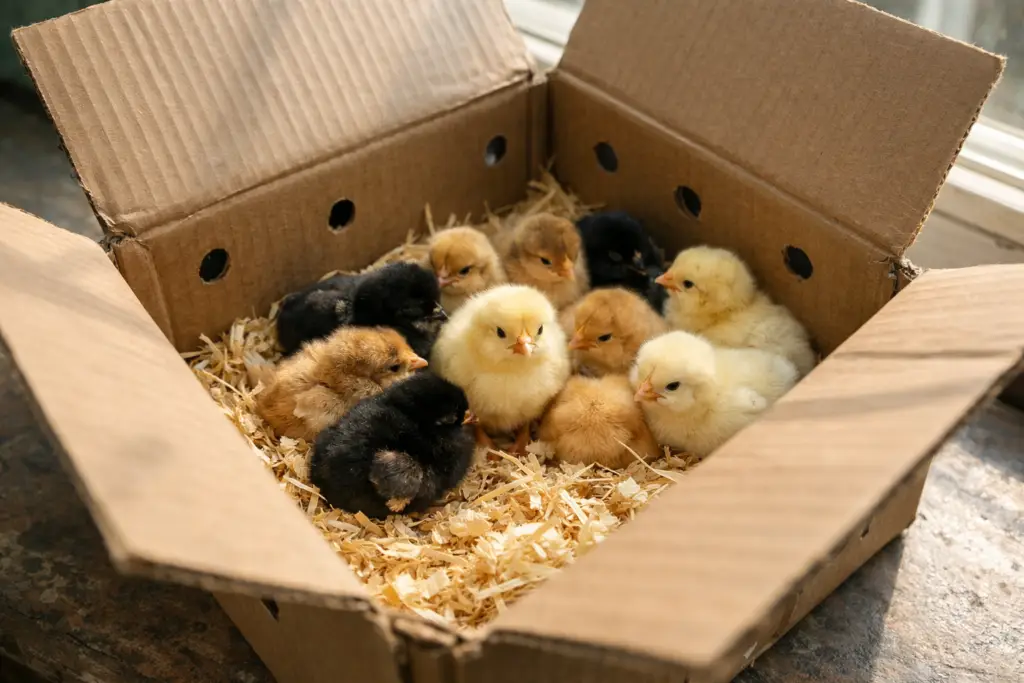
Ordering from hatcheries gives you access to a much wider range of breeds. Well-known options include My Pet Chicken, Meyer Hatchery, and Murray McMurray Hatchery.
Hatcheries typically offer more breed choices, sexed chicks (pullets), vaccinated chicks, and scheduled shipping. Chicks are shipped shortly after hatching and arrive within a few days.
One thing to keep in mind is the minimum order sizes. Many hatcheries require larger orders to ensure chicks stay warm during shipping.
Local Breeders
Local breeders are often overlooked, but they can be a great option. Organizations like the American Poultry Association and The Livestock Conservancy can help you find breeders in your area.
Buying from a breeder often means better-adapted birds for your climate and smaller purchase quantities. When you get your birds from a breeder, you have more insight into how the birds were raised.
Availability varies, so you may need to plan.
What to Look For When Choosing Healthy Chicks
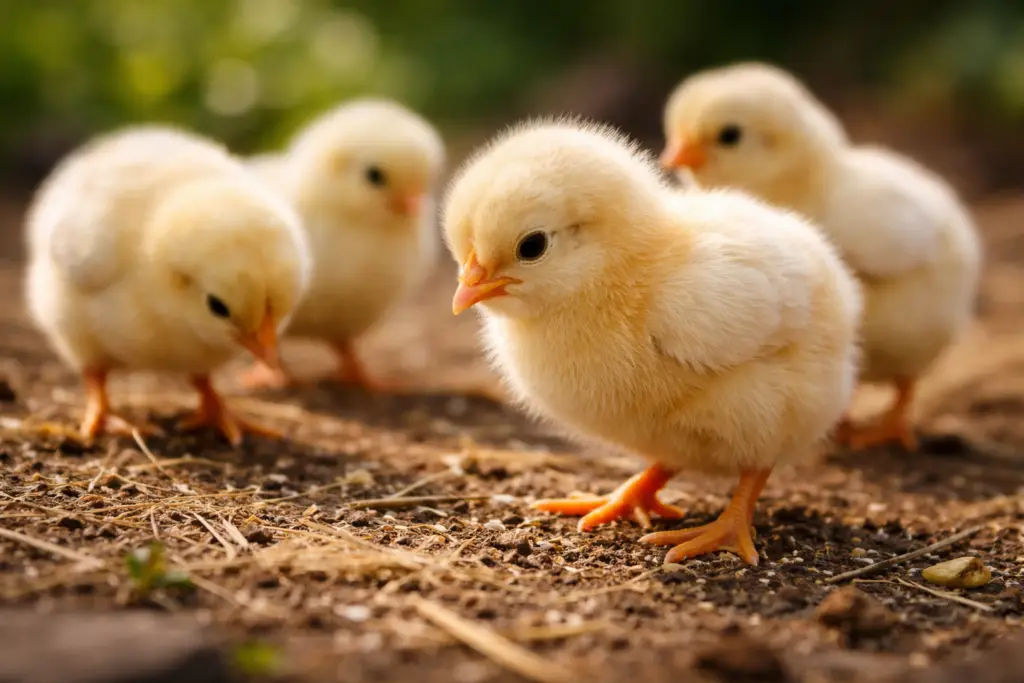
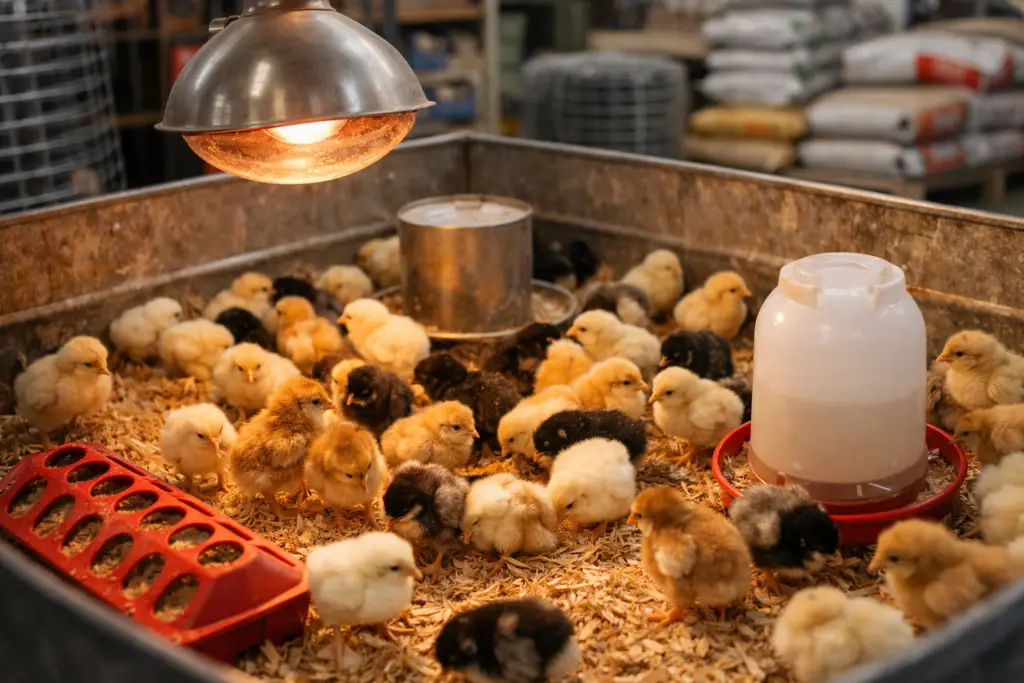
When you are standing at a brooder tank in a store or receiving chicks from a shipment, take a few minutes to observe them. Healthy chicks are active and alert. Look for bright eyes, clean fluffy feathers, and chicks that move around with curiosity. They should be steady on their feet and responsive to movement.
Unhealthy chicks often stand out once you know what to watch for. They may appear sleepy, huddled, or reluctant to move. Any signs of coughing, labored breathing, or dirty vent areas should raise concerns.
Taking the time to choose strong, healthy chicks saves you problems later.
| ✅ Healthy Chick | ⚠️ Warning Signs |
|---|---|
| Bright, clear eyes | Dull or closed eyes |
| Active and curious | Lethargic or huddled |
| Clean, fluffy feathers | Dirty or matted feathers |
| Steady movement | Weak or unbalanced |
Choosing the Right Breed for Your Needs
Before you buy chicks, think about what you want from your flock.
Some people want eggs while others want calm, friendly birds. Some backyard chicken farmers want hardy chickens that can handle tough weather.
Breed choice affects egg production, temperament, climate tolerance, and long-term maintenance. If your goal is egg production, focus on reliable layers like the Rhode Island Red or Leghorn. Buff Orpingtons, Silkies, Cochins, and Brahmas are best if you want a more relaxed backyard flock.
Best Chicken Breeds for Hot Climates
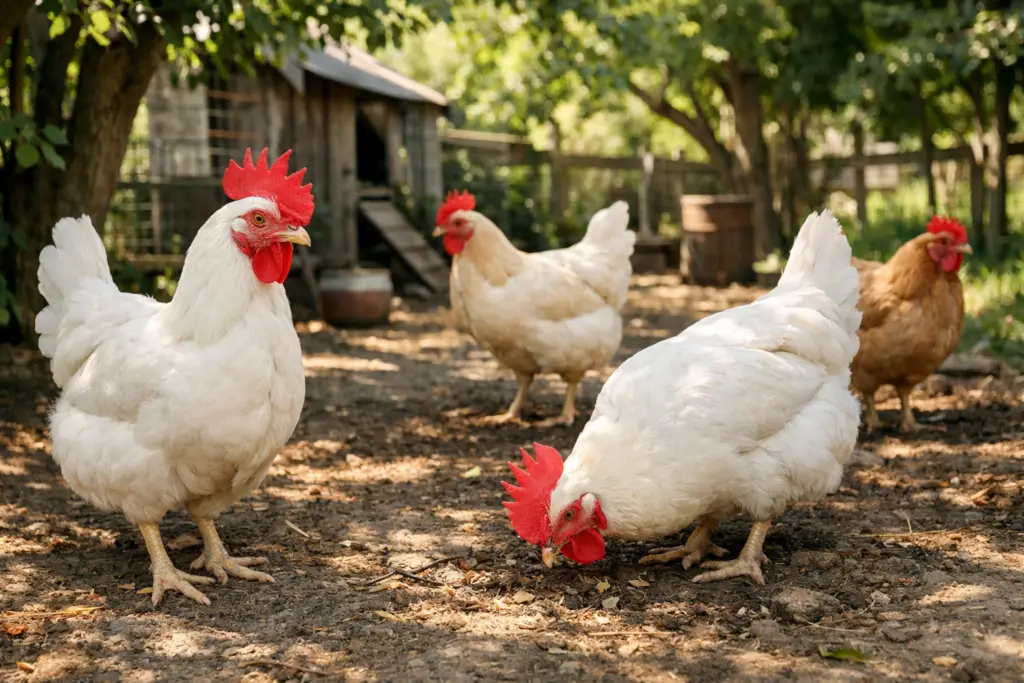
If you live in a hot climate like Texas or Oklahoma, breed choice becomes even more important. Heat stress is one of the biggest challenges backyard flocks face in the southern regions of the country. Some chickens handle it well, while others struggle.
Good heat-tolerant breeds share a few key traits, such as larger combs and wattles that release body heat, lighter body weight, and active, alert behavior. These features help chickens regulate their body temperature more effectively than other breeds.
Some of the best heat-tolerant breeds include light-bodied birds with large combs, like the Leghorns, Andalusians, Minorcas, and Egyptian Fayoumis.
Good heat-tolerant egg-laying breeds include Naked Necks (Turkens), Easter Eggers, and Rhode Island Reds. These birds handle high temperatures and still maintain good egg production.
Recommended Heat-Tolerant Breeds
| 🌡️ Breed | 🔥 Heat Tolerance | 🥚 Egg Production | ⭐ Notes |
|---|---|---|---|
| Leghorn | Excellent | High | Lightweight and very active |
| Andalusian | Excellent | Moderate | Well adapted to warm climates |
| Naked Neck | Excellent | Moderate | Less feathering helps cooling |
| OEGB | Excellent | Low | Small size handles heat well |
Leghorns are one of the best choices for hot climates. They are light-bodied, active, and excellent egg layers.
Andalusians are another strong option. They are well adapted to warm weather and handle heat better than heavier breeds.
Naked Necks stand out because they have less feather coverage, which helps them stay cooler in extreme temperatures.
Old English Game Bantams (OEGBs) are small and efficient birds that tolerate heat well due to their size and body structure.
Other good options include Mediterranean-type breeds, which are well-suited to warmer climates.
Hot Weather Chick Care and Setup
Raising chicks in warm climates requires a slightly different approach.
Ventilation becomes more important than insulation. Your brooder and coop should allow airflow without exposing chicks to drafts. Fresh water must always be available since chicks in hot environments can dehydrate quickly. If you raise chickens in a warmer climate, it’s strongly recommended that you add electrolytes during periods of extreme heat. Depending on where you live, this may mean electrolytes all summer.
Shade is essential once chicks move outside. As they grow, simple additions like fans for increased airflow can make a noticeable difference. If you have large shade trees, building your coop and run beneath them is a good idea. The trees not only offer a respite from the heat during the summer months, but they can also protect against the cold during the winter.
These small adjustments help prevent heat stress and keep your flock comfortable.
Important Things to Know Before You Buy
There are a few details that often surprise beginners.
Many hatcheries require minimum orders, especially for shipping. This helps keep chicks warm during transit. You will also need to decide between pullets and straight-run chicks. Pullets are female and will lay eggs. Straight run chicks are a mix of males and females.
Vaccination is another consideration. Some hatcheries offer Marek’s vaccination, which is highly recommended for your new chicks. While the vaccine won’t completely prevent the virus, it will lower the mortality rate and reduce some symptoms, such as tumors and paralysis.
How This Fits Into Your Setup
Buying chicks is just one step. Before they arrive, make sure your coop is ready and secure. If you have not already, review our Chicken Predators and How to Protect Your Flock article to ensure your setup is safe.
Frequently Asked Questions
When is the best time to buy baby chicks?
Spring is the most common time when feed stores and hatcheries have the widest selection.
How many chicks should I start with?
Most beginners do well with three to six chicks, depending on their space and goals.
Should I buy pullets or straight-run chicks?
Pullets are best if you want egg-laying hens. Straight run chicks are less predictable.
Do chicks need special care in hot weather?
Yes. Focus on ventilation, shade, and constant access to fresh water.
Final Thoughts
Buying baby chicks is where your flock begins.
Choosing the right source, selecting healthy birds, and picking breeds suited to your climate sets you up for success from day one.
Take your time, plan ahead, and start with a solid foundation. Everything else becomes easier from there.