
Raising Laying Hens
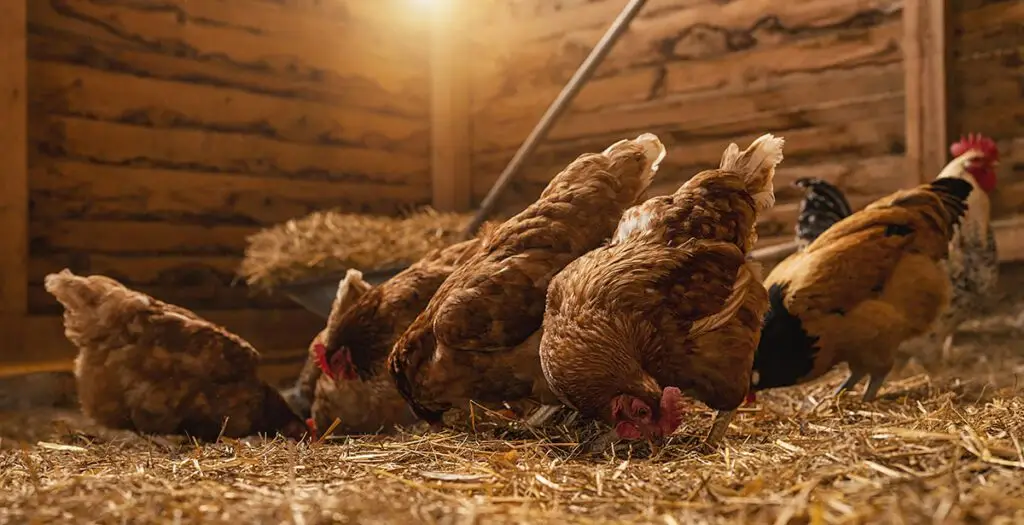
During my many raising adventures in raising laying hens, I found myself in a position I didn’t like. I had to do it and wouldn’t say I liked it. Five days before my family arrives for a holiday, I am standing in the dairy aisle of Sprouts Farmers Market. As I reach toward the gray paper pulp carton, my hand freezes, and a cold sweat covers my forehead. I am slightly over-dramatic, but it irritated me as I snatched the egg carton from the cooler shelf. Molting came early, usually starting the second or third week in December. I put off buying eggs until the last minute, hoping for fresh organic eggs to serve my guests. It wasn’t meant to be. The carton of eggs went home with me. Molting is one of the most irritating problems when raising laying hens and the most common reason your hens stop their egg production. But when they stop laying outside the molting season, other issues may cause your lack of eggs. 1. Improper or poor-quality food 2. Low Calcium 3. Lack of clean, fresh water 4. Dirty coop and nesting boxes 5. Illness and injury 6. Parasites 7. Housing that’s not secure 8. No space to roam Raising Laying Hens and Keeping Them Laying When raising laying hens, the main goal is gathering lots of delicious, organic eggs. But sometimes, flocks take a break from their regular laying schedule, leaving us wondering what to do. Here are eight tips for keeping your hens in top laying condition, delivering you many eggs throughout the year. 1. Use Top Quality Feed Feed is one area of raising chickens you never want to cut corners with. Always feed your girls the highest quality food your budget allows. A huge misconception is that hens need laying pellets for egg production. We found that a higher protein ratio helps with egg production better than laying food. We feed a mixture of egg pellets and game bird ration containing 28% protein. It made a big difference in the production rate and size of the eggs. Our girls like high protein better than laying pellets. We also supplement with kitchen scraps so they get a well-balanced diet and lay amazing eggs. Remember, each flock is different when raising laying hens, so what works for one person’s hens may not work for another. The important thing is using high-quality food and adding fresh greens, mealy worms, vegetables, and other treats to their diet. 2. Add Calcium The makeup of eggshells is 95% calcium, so it makes sense that egg-laying uses this vital element in the hen’s body. Always keep a dish of crushed oyster shells in the chicken pen. Hens know when they need Calcium and will seek the oyster shell. You can find crushed oyster shells wherever you buy your poultry supplies and on Amazon. 3. Plenty of Water Chickens need a constant supply of fresh water. Whether you have hens or roosters, water keeps your chickens healthy and the hens laying. Chickens have discriminating tastes and only like clean water, preferring to stay thirsty over drinking dirty water. Change their drinking water at least once each day. 4. Regular Nesting Box Cleaning Regular nesting box cleaning helps encourage your hens to lay. They like the comfort of clean boxes with a thick layer of bedding. There’s a wide range of materials you can use as bedding. Our girls like straw; we like it because it’s easy to clean, and the dirty straw makes a great addition to the compost pile. Other bedding materials include non-treated sawdust, shredded paper, straw, and recycled newspaper pellets. Never use aromatic wood, like cedar, since it’s bad for a chicken’s respiratory system. 5. Parasite Control Parasites and mites prey on your chickens and infest a coop, and the run before you notice them. Make checking for these pests a part of your chicken inspection routine. Mites are tiny, reddish-brown spots over a chicken’s body and head. Look for mites during the night when they are the most active. When you see mites on your chickens, treat them and the coop simultaneously. If you only treat the chicken and not the coop, they become infested again when they enter the coop. At the first sign of mites, clean the chicken coop and replace all bedding. Sprinkle coops, nesting boxes, roosting areas, and floors with diatomaceous earth. If you don’t mind chemical treatment, you can use seven dust, which won’t harm your chickens. 6. Provide a Secure Home Laying hens need a predator-proof coop to keep animals like cats, raccoons, dogs, and opossums out. Laying hens stay on the nests for long periods, making them an easy target for predators. Coop doors and gates need sturdy latches to keep raccoons from opening them. Place a small hole wire around your pen and coop to deter animals from squeezing through or digging under the enclosure. These extra precautions protect your chickens from injury and death and help stop the loss of eggs by predators. Check out our Predator Proof Chicken Coop article for more information on how to protect your precious laying hens. 7. Let Them Free-Range During our years of raising laying hens, we found chickens are happiest, stay healthier, and lay more eggs while free-ranging. We understand not everyone can do this, but let the hens forage if possible. Our girls are part-time free rangers. We allow them to roam while we are home, then lock them in the coop area at night to protect them from predators. Part-time free-ranging is easier than you might think. It took a few weeks, but our girls go inside the coop alone when the sun sets. We have a solution where everyone benefits: our girls happily graze all day but stay protected at night when predators roam. Plus, they know where their nesting boxes are. We rarely have eggs left outside the boxes unless they can’t make it in time. Before letting your flock free-range, even