
Predator Proof Chicken Coop

Protecting chickens from predators is such an important topic, and a predator-proof chicken coop is vital to flock safety. This article helps you determine the type of predators you have and find what works well for safeguarding backyard chickens. In the natural food chain theme, chickens have no predator defense other than some distrust, unlike most animals. Whether predators are wild or domestic, chickens are the perfect prey because of their slowness and the amount of meat on their bodies. Living in the suburbs or city limits does not mean you’re predator-free. Domestic animals, like prowling dogs and cats, threaten the backyard flock as much as wild predators are to the farm flock. How to Protect Chickens from Predators How you protect chickens depends on what predators are in your area. Different predators need different methods of protection. Understanding the types of predators posing a threat can give your chickens better security while reducing losses. If you are unsure of the predator types in your area, talk to your neighbors or contact local authorities or animal control. There are several defenses for protecting your chickens from predators. Protecting your flock from predators is an ongoing job. Whatever options you choose, predator protection must be inspected and maintained often. In most cases, more than one or even all of these predator protections are necessary for protecting your flock. Whether you live in the city or rural areas, predators threaten all chicken flocks and their eggs. I receive commissions for purchases made through links in this post.
Bring on the Eggs
Warm Weather – Flowers – and Eggs I love this time of year; it’s not spring yet and winter lets us know, he’s still around. Yet, anticipating a green landscape freckled with colorful flowers, gives me something to look forward to in a few short weeks. The excitement of things to come makes me smile as the days slowly warm with lingering sunlight. It’s also the time of year we start planning. Right now, we’re planting seeds for our container gardens and planning out where everything will go. It’s also the time of year my hens start producing more eggs. While we gather eggs year around, except for in extremely hot or cold weather, spring and fall are our biggest egg production seasons. With my excitement for spring comes the duty of a responsible backyard chicken farmer. As well as the well-being of our flock, knowing about the eggs they produce is just as important. The Laying House – The Coop and Nest Because of the direct relationship to the condition of your eggs, I must mention flock management. While feeding your birds a balanced ration is important, coop and nest management is also important. • Chickens like to hide their eggs and pick some of the strangest places to nest. Because of this, I recommend keeping your flock in a fenced area. By letting your hens nest wherever they choose, there’s a higher risk of broken eggs and knowing how old the eggs are is difficult. • Clean, clean, clean, and more clean. Keeping the nest area clean and dry makes for better eggs. Muddy runs and damp, dirty nesting material results in dirty and stained eggs. I recommend cleaning the laying area once a week however, a minimum of two weeks is okay, making sure you remove all wet litter and the run has good drainage. • For a small flock of 15 hens or less, you need a minimum of four nesting boxes while larger flocks need 1 nesting box for every 4 to 5 hens. Make sure the nests have a deep clean layer of litter which helps control egg breakage and absorbs waste. Egg Collection Chickens are early layers with most of the eggs laid by 10:00 am. If possible, collect the eggs as soon as possible after laid. Sometimes you can’t collect until later in the day and that’s okay, however collecting early lessens the chance of breakage and the eggs becoming too dirty. I advise collecting eggs twice daily. Hens can develop egg eating habits. By collecting eggs often, the chance of breakage is less and you lessen the risk of the hens learning to eat an egg. Collect your eggs in an easy-to-clean container; plastic egg flats or wire baskets work great, and make sure you don’t stack your eggs too high. Never stack more than 5 layers deep. The higher you stack your eggs, the more likely breakage will occur. Egg Cleaning and Handling This is a hotly debated subject: should I wash my eggs? I never wash my eggs until right before I use them. Washing your eggs will cause them to go bad quicker. Brush them off before storing them, only if you have to. My best advice; store them the way you find them. Just before laying her eggs, the hen’s body adds a protective coating to the shell, known as bloom. Leaving this protective film on the eggs helps keep out bacteria and traps moisture inside the egg, resulting in a full, rich egg with a bright orange yolk. Many farmers never refrigerate their eggs because the bloom is so protective. Once you wash the egg or wipe it down too much, you destroy the bloom and the egg needs refrigeration. If you’ve ever been to Europe, you will notice, fresh eggs are never refrigerated because the farmers leave the bloom on them. A fresh egg with bloom intact will keep all high quality nutrients, when kept at room temperature, for up to three months. When you crack open a fresh egg, you’ll see a bright orange yolk and the albumen, or the jelly substance surrounding the yolk, is slightly cloudy. Quick Science Lessen The cloudiness of the egg white, or albumen, of a backyard egg looks cloudy. This means the fresh egg has carbon dioxide present. With a factory farmed egg, the albumen is clear. This means the egg was washed which allowed the carbon dioxide to escape through the porous shell or the egg is old. The more gas that escapes, the more transparent and runny the white will be. Commercial egg producers wash their eggs as well as running them through a chemical wash. These chemicals seep into the pores since the eggs are no longer protected by the bloom. The chemical washes cause a reaction in the egg. The yolk shrinks and turns pale, while the albumen becomes clear. Farm eggs may have a clear albumen as well but this usually means the clearer the albumen, the less fresh your egg is. Chilling or Not Chilling Whenever I tell people I don’t chill my eggs, they look at me like I’m crazy. Then I hear the usual questions…“ They’ll go bad, won’t they?” or “Won’t you get salmonella poisoning?” My answer: “If they’re backyard eggs…no.” The United States is one of the few countries requiring mass producers wash their eggs and keep them refrigerated. Once the protective coating is gone, the egg becomes susceptible to bacteria. All store-bought eggs need refrigeration or the risk of salmonella is high. Because of this, it’s important to understand the difference between a factory farmed egg and a backyard chicken farmer egg. Eggs shells are nothing more than permeable membranes with thousands of pores covering the surface. When the hen lays an egg, her body covers it with the protective bloom coating. This mucous secretion quickly dries after laying, to seal the shell’s pores. This makes it impervious to bacteria while reducing moisture loss. Moisture loss will speed up
Backyard Chickens – Six Steps to Prepare
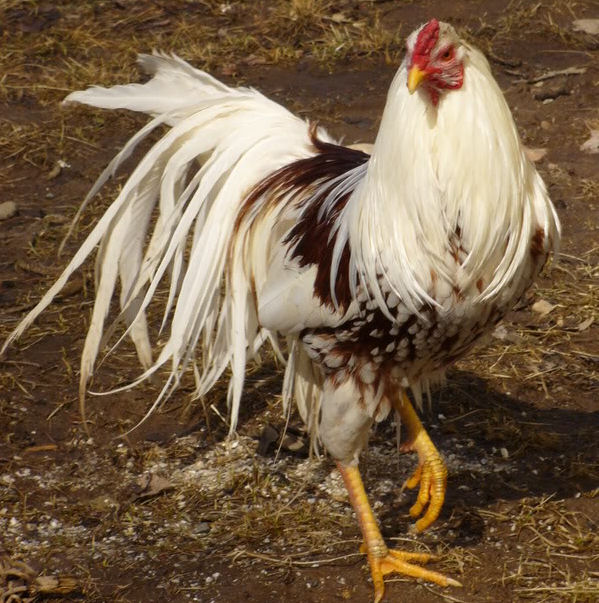
Getting Ready for Your Chickens After talking with your local government offices and obtaining any necessary permits, you are ready to move forward with preparing your property for your chickens. By preparing adequately, raising chickens in your backyard will be educational fun for the entire family. 1. Your first step before moving forward, is making sure you have the necessary financial resources for backyard chicken farming. Without reviewing the costs associated with raising a flock, you may find yourself incapable of fully taking care of your chickens. There are standard expenses like, housing materials, food and bedding but there are incidental costs as well; like medicine if they get sick. 2. Do you have the room? For a flock of 5-10 chickens, you need a minimum of two feet per chicken as well as an outside area for foraging. If your space is too small, your chickens may become ill. 3. Most people start with chicks, so you need the right materials to house and take care of them. For the first few months, your chickens need to be indoors, where it is warm. Many people keep chicks in the house for four months. I normally keep our chicks inside for only 3-4 weeks since we always buy chicks during warmer weather. If you do put you chicks outside when they are younger, you need a properly built enclosure and pen so the chicks can’t get out, and predators can’t get in. We use chain-link fencing lined with the smallest chicken wire we can find and place sheets of metal at the bottom of the pen. We cover the top of the pen with berry netting which provides extra protection from predators. Where we live, we have many predators like hawks, opossums and cats and dogs. You need to buy your pen, building and all supplies before bringing in your chicks. You can buy a prebuilt chicken house or build one. We built our coop using plans from Building A Chicken Coop. 4. Next, decide what you want to raise chickens for. Do you want chickens for meat or for egg production? Whatever your choice, you need a suitable breed. Chickens are bred for specific roles and the breed will affect how you raise them. Learning what chickens are best for your wanted results is important. Area feed stores may carry various chicks in the spring. Look for chicks and older chickens on Craigslist and in local want ads. There are also, several online chicken hatcheries that ship chicks like efowl.com. They carry various breeds, including rare breeds like the Sussex. 5. Care will vary among the different breeds of chickens. Most only need the basics; food, water, clean bedding, etc., however, exotic breeds, like the long tail Yokohama chickens, need special care and attention to their feathers. 6. While care is minimal for most chickens, you will need to set aside at least an hour each day for feeding and watering, collecting eggs and cleaning bedding.