

Sustainable Urban Homesteading: Learning to Preserve Food
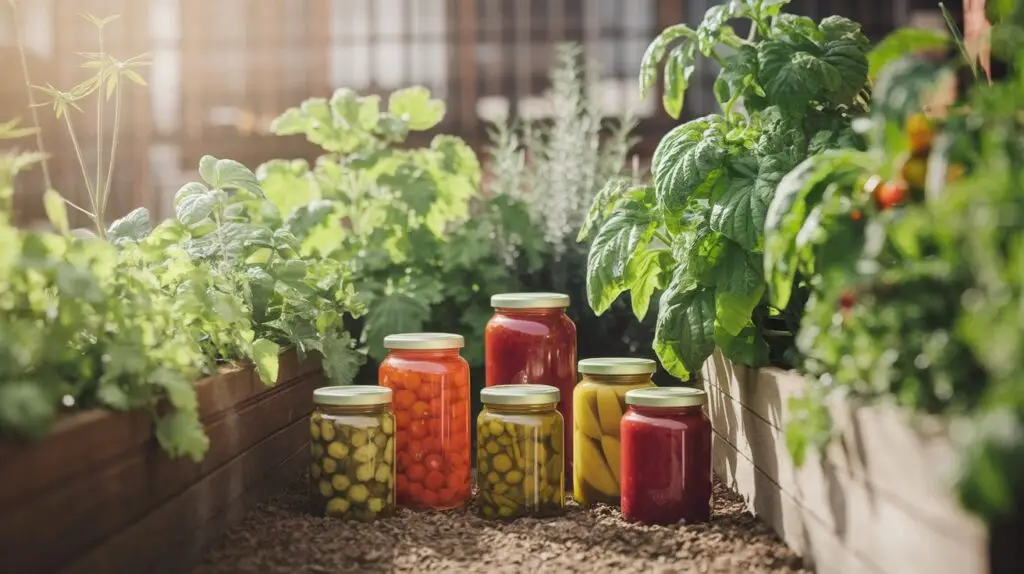
In the bustling landscape of modern life, where convenience often reigns supreme, the art of food preservation without refrigeration is experiencing a revival within urban homesteading circles. This resurgence is fueled by economic considerations and an awareness of the health risks associated with mass-produced foods. Salt, sugar, trans-fats, and artificial additives in commercial products have spurred individuals to seek alternatives. The practice of preserving food at home emerges as an appealing solution. It offers a healthier alternative and the practical advantage of enjoying seasonal fruits and vegetables year-round. By eschewing harmful preservatives and embracing traditional preservation methods, urban homesteaders can savor the natural flavors of their produce, fostering a deeper appreciation for the natural world and its cycles while contributing to a more sustainable and self-reliant lifestyle. This guide covers preserving fruits and vegetables, but I will delve into processing other foods in future guides. Reasons for the Revival The rise of backyard gardens and the abundance of excess produce have challenged urban homesteaders to make the most of their harvests without contributing to food waste. Simultaneously, the health risks of commercially processed foods, laden with additives that compromise taste and well-being, have become a growing concern. In this context, the revival of food preservation is not just a solution but a practical and empowering response to these contemporary challenges. It offers urban homesteaders a pathway to sustainability and self-sufficiency while prioritizing wholesome, natural ingredients. Simple Preservation Techniques Mastering the art of food preservation is an essential skill in the quest for sustainable living and self-sufficiency. Simple yet effective techniques allow individuals to extend the shelf life of fresh produce, ensuring nothing goes to waste while enhancing their meals’ flavor and nutritional value. From the ancient practice of sun-drying fruits and vegetables to the tangy delights of homemade pickles and the timeless tradition of canning, various preservation methods await exploration. This guide will dive into these fundamental techniques, offering practical insights and step-by-step instructions to empower you on your preservation journey. Whether you’re a novice homesteader eager to embark on your preservation adventure or a seasoned enthusiast seeking to expand your culinary repertoire, these methods promise to unlock a world of flavor and sustainability. Explore the simplicity and ingenuity of drying, pickling, and canning as we discover the secrets to preserving nature’s bounty for year-round enjoyment. Tips for Successful Preservation Preserving food is not just a culinary endeavor; it’s a commitment to sustainability and self-sufficiency. Starting with the right foundation is crucial for a successful preservation journey. This begins with selecting the freshest, highest-quality ingredients available, ensuring that the flavors and nutrients are preserved at their peak. Investing in top-notch preserving equipment, such as sturdy glass jars and reliable lids, is essential to maintaining food safety and extending shelf life. In the following section, we’ll delve into essential tips and strategies for successful food preservation, equipping you with the knowledge and tools needed to preserve nature’s bounty with confidence and finesse. Recommended Suppliers For those looking to embark on their preservation journey, reputable home goods suppliers like Wares of Knutsford offer a range of functional and aesthetically pleasing preserving equipment. Here is a list of reputable suppliers for home food preservation tools: Conclusion By embracing traditional food preservation techniques, urban homesteaders can enjoy the satisfaction of reducing food waste, improving health, and savoring the natural flavors of home-preserved foods. Ready to embark on your preservation adventure? Let quality ingredients and reliable equipment be your guide. ???
Best Kitchen Equipment for Home Meat Processing and Preserving
Most people think of jellies, jams and pickles when they consider preserving at home, but it is not any more complicated to process and preserve your own meats. The main difference is the need for appliances that can handle heavy grinding and tasks like stuffing sausage casings that are far too difficult and time consuming for modern urban homesteaders to manage by hand. The first thing you will need is a safe supply of fresh meats. If you are raising animals for slaughter, take an extensive training course in proper butchering techniques. This is for safety as well as for efficient use of the meats, because improper butchering can lead to contamination. Invest in a good set of meat knives. Which brand is best is largely a matter of personal preference, but any knife you use should have a blade that is securely attached to the handle and which can be sharpened when needed. The smaller the animal, the smaller and thinner the knife should be. A good meat grinder is necessary if you are going to grind your own ground beef and especially if you intend to make homemade sausages. Look for a grinder that has a workhorse of a motor, because that is the most crucial part. If you are new to processing and preserving meats at home, consider investing in a good standing mixer, because they generally have meat-grinding attachments available. Another feature to look for is a reversible feeder to take care of tougher meats like game animals. Many meat grinders come with a funnel for stuffing sausage casings, but these are not efficient enough to stuff casings without letting the meat become too warm. Look for a piston-driven stuffing attachment to power the ground meat into the casing fast enough to ensure that it retains a safely chilled temperature.A hamburger press is a good idea if you`re making a large quantity of burgers, because it produces burgers that are all the same size and weight. This is important because when you make burgers by hand, they can be of such different weights and thickness that they won`t cook at the same rate. That means a few overcooked burgers in every batch along with a few that may be dangerously under-cooked. If you are roasting and smoking your own meats, making cold cuts is an excellent and versatile way to use them. A meat slicer with a rotating blade and adjustable feed system allows you to slice meats, cheeses and vegetables to uniform thickness. This is not only important in processing meats, as it can help with canning vegetables, making pickle slices and (best of all) home made potato, sweet potato, turnip and beet chips. Once your meat has been processed, one of the safest and most convenient ways to preserve it is with a vacuum sealer. Place single servings of meat, sausage or poultry into small plastic bags and use the vacuum sealer to suction out all of the air. This protects the meat while allowing you to see what it is. Label the plastic bags with the date to ensure that all of your meats are enjoyed while they are still fresh. If you intend to process and preserve the majority of the meat your family will consume, it might be wise to check out an array of both personal and commercial-grade equipment. The urban homesteading enthusiasts at The Backyard Chicken Farmer recommend consulting with the friendly experts at CS Catering Equipment to get an idea of where to start in stocking your kitchen to home process meats safely, efficiently and deliciously