
Internal Egg Laying In Chickens: Prevention And Solutions
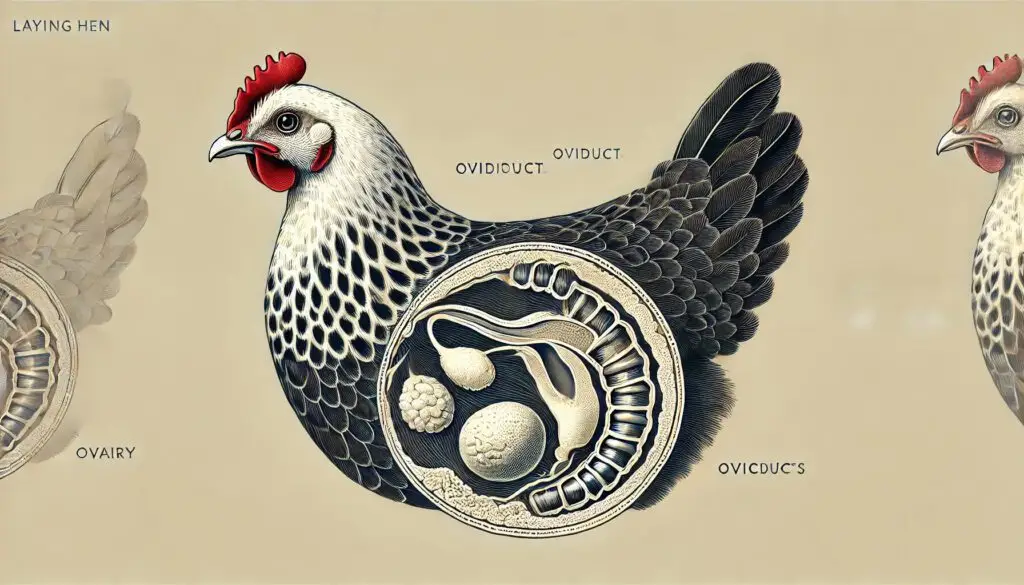
Disclosure: This post may contain affiliate links. If you purchase through these links, I may earn a small commission at no extra cost to you. Many backyard chicken farmers find their chickens’ egg laying slowing or stopping altogether during the summer. While the first thought is to attribute it to the extreme heat we suffer each year, it may not be why some of your hens stop laying. Internal egg laying in chickens is not a common condition, but it is a possibility and can occur from oviduct trauma, infection, or genetic defects. What is Internal Egg Laying? Internal egg laying in chickens is a serious condition in which eggs are retained inside the hen’s body instead of being expelled normally. This condition poses significant health risks, including infections and internal damage, and can even be fatal if not promptly addressed. Understanding internal egg-laying is not just important; it’s crucial for maintaining the health and productivity of your flock. As a backyard chicken farmer, recognize the signs of internal egg-laying early. Factors such as genetic predispositions, environmental stressors, inadequate nutrition, and underlying health issues can all contribute to this condition. By being proactive and intervening promptly when you notice signs like lethargy, decreased appetite, a swollen abdomen, and difficulty walking, you can prevent severe complications and ensure the health of your flock. Preventing internal egg-laying involves several proactive measures. Ensuring a balanced diet rich in calcium and other essential nutrients supports proper egg formation and laying. Maintaining a stress-free environment with adequate space, appropriate lighting, and minimal disturbances helps reduce the risk of internal laying. However, it’s not just about prevention. Regular health check-ups and monitoring are equally important. They provide reassurance that your flock’s health is being cared for, catching early signs of trouble and allowing for timely medical intervention. This regular care is a testament to your responsibility as a backyard chicken farmer, ensuring the well-being of your flock. Solutions for internal egg laying often require veterinary care, including manual egg removal, antibiotics to prevent infection, and, in severe cases, surgical intervention. Post-treatment, it is vital to address the underlying causes to prevent recurrence. This diligent commitment to your flock’s health is critical to being a responsible backyard chicken farmer. Poultry farmers can effectively manage internal egg laying by understanding the causes, implementing preventative measures, and seeking timely solutions. This approach ensures the welfare of the hens and supports the poultry operation’s overall productivity and economic viability. Understanding the Causes of Internal Egg Laying Internal egg laying in chickens is a serious condition in which eggs are retained inside the hen’s body instead of being expelled normally. This condition poses significant health risks, including infections and internal damage, and can even be fatal if not promptly addressed. Understanding internal egg-laying is not just important; it’s crucial for maintaining the health and productivity of your flock. Various factors, including genetic predispositions, environmental stressors, inadequate nutrition, and underlying health issues, can cause internal egg-laying. Recognizing the signs early, such as lethargy, decreased appetite, a swollen abdomen, and difficulty walking, and intervening promptly can prevent severe complications. This proactive approach is a testament to your responsibility as a backyard chicken farmer. Preventing internal egg-laying involves several proactive measures. Ensuring a balanced diet rich in calcium and other essential nutrients supports proper egg formation and laying. Maintaining a stress-free environment with adequate space, appropriate lighting, and minimal disturbances helps reduce the risk of internal laying. However, it’s not just about prevention. Regular health check-ups and monitoring are equally important. They provide reassurance that your flock’s health is being cared for, catching early signs of trouble and allowing for timely medical intervention. Solutions for internal egg laying often require veterinary care, including manual egg removal, antibiotics to prevent infection, and, in severe cases, surgical intervention. Post-treatment, it is vital to address the underlying causes to prevent recurrence. Poultry farmers can effectively manage internal egg laying by understanding the causes, implementing preventative measures, and seeking timely solutions. This approach ensures the welfare of the hens and supports the poultry operation’s overall productivity and economic viability. Chicken Breeds Less Likely to Suffer from Internal Egg Laying table { width: 100%; border-collapse: collapse; } th, td { padding: 15px; text-align: left; border-bottom: 1px solid #ddd; } th { background-color: #4CAF50; color: white; } td { background-color: white; color: black; } tfoot td { background-color: #4CAF50; color: white; text-align: center; } Chicken Breeds Less Likely to Suffer from Internal Egg Laying Breed Characteristics Rhode Island Red Hardy and robust, excellent layers of brown eggs. Sussex Docile and friendly, good egg production and dual-purpose breed. Australorp Known for their high egg production and calm temperament. Plymouth Rock Reliable layers, hardy in various climates, good dual-purpose breed. Wyandotte Resilient and good layers, known for their beautiful plumage. Orpington Gentle and friendly, decent layers and excellent for meat production. Leghorn Prolific layers of white eggs, active and hardy birds. Brought to You By thepreppersbasement.com Early Detection and Diagnosis Internal egg laying in chickens can lead to severe health complications if not detected early. Identifying the signs and symptoms promptly is essential for protecting the health of your flock. Here are the key points to watch for and steps to take: Behavioral Changes: Physical Symptoms: Veterinary Consultation: Record Keeping: Understanding Risk Factors: By being vigilant and proactive, poultry farmers can significantly reduce the impact of internal egg laying on their flock, ensuring the health and productivity of their chickens. Preventative Measures for Poultry Farmers Preventing internal egg laying in chickens helps maintain flock health and farm productivity. Proactive measures can significantly reduce the incidence of this condition and its adverse effects. Establishing a Conducive Living Environment Creating a clean, safe, spacious coop with adequate ventilation is the first step in preventing many issues with your flock’s health. Ensuring access to natural light and maintaining a regular light-dark cycle supports the hens’ circadian rhythms, essential for regular egg-laying patterns. A well-maintained environment reduces stress, a significant factor in preventing internal egg-laying.
Feeding Chickens for Better Health and Better Eggs

Disclosure: This post may contain affiliate links. If you purchase through these links, I may earn a small commission at no extra cost to you. New chicken keepers tend to overthink feeding. They buy expensive supplements, specialty feeders, and bags of products they’ll never finish. The only three things your chickens need are food, water, and shelter. You don’t need a fancy gravity feeder. Just a dish that is deep enough to stay upright and keeps birds from walking through it. Chickens are simple creatures. There is no need to get fancy. But simple doesn’t mean dump a bag of commercial feed and forget it. And actually, you might only use commercial feed to supplement their diet and not be the main factor. Those rich orange yolks that people associate with farm-fresh eggs don’t come from grain pellets alone. They come from a varied diet of greens, insects, kitchen scraps, and yes, some commercial feed when the season calls for it. What your chickens eat shows up directly in the quality of their eggs and their long-term health. Five Dietary Essentials Chickens are natural foragers, and when left to roam, they’ll eat insects, worms, grass, seeds, and just about any green thing they find. As a chicken parent, your job is to mirror that variety, even if your birds spend most of their time in a run. Five categories cover what every laying hen needs to stay healthy and to continue producing eggs worth eating. Protein Egg production runs on protein. Free-range chickens get plenty from worms and insects while foraging. When foraging isn’t an option, especially in winter, you’ll need to fill the gap. Mealworms and crickets are a great alternative. Fish oil and fish meal are good year-round supplements. If you garden, chickens love those big, fat, green tomato worms you pick from your plants during the summer. One thing to avoid is feeding your chickens raw meat, as it can trigger cannibalistic behavior in the flock. Greens One of the best-kept secrets to great-tasting eggs is greens—lettuce, kale, beet greens, carrot tops, whatever leafy scraps come out of your kitchen. Grocery stores and farmers’ markets often toss produce that’s wilted but still fine for chickens. Ask around. We have arrangements with some of the restaurants close to us to save their vegetable scraps for our girls. Neighbors with gardens are another good source. The more greens your flock eats, the richer and more nutritious the eggs. Grass and hay We keep one of our compost piles inside the chicken run. Our birds do half our work by turning it while eating bugs and plant matter from the pile. Standard composting takes close to a year. Chickens cut that to 4 to 6 months, and they mix their own fertilizer in as they go. It’s free labor and good nutrition at once. Dried Corn and grains Use these as a supplement, not a main course. A little whole corn adds richness to the yolk. Scatter a handful in the yard and let the birds scratch for it. It doubles as a treat and a way to keep them active. We feed our chickens a small handful of corn or grains every other day, keeping it less than 10% of their diet. Since corn and grains are high in energy but low in protein, overfeeding may cause reduced egg production and obesity in your birds. Calcium Laying hens burn through calcium fast. If a hen doesn’t get enough, she will produce thin, brittle shells, and her health will suffer over time. Oyster shells from a feed store work, but eggshells are a free and natural alternative. More on that below. Water Matters More Than Feed This is the feeding topic most articles skip. A chicken that doesn’t have clean water won’t eat. A chicken that doesn’t eat stops laying. And since about half of an egg is water, egg production drops or completely stops. Eggs become smaller with weak or soft shells, and prolonged dehydration can cause permanent damage to a hen’s laying cycle. Chickens need a lot of fresh water, so keep it available all day, every day. In winter, move the waterer inside the coop to prevent freezing. I keep a waterer inside the coop and one outside year-round. In summer, check it twice a day. Birds dehydrate fast in heat. During the summer, we buy our girls watermelon. They love melon, and it helps ensure they stay hydrated. How to Feed Eggshells to Your Hens Feeding eggshells back to your flock is a practice that goes back centuries. If your hens eat mostly table scraps and foraged food rather than calcium-fortified commercial feed, they need extra calcium. We have a large flock, so we freeze-dry any eggs we don’t sell or give away. You can find out more about my home freeze dryer on The Prepper’s Basement. Will it turn them into egg eaters? Probably not. In the 20-plus years of raising chickens and feeding eggshells, I’ve had only two hens that ate their own eggs. If eggshells caused that habit, every hen in the flock would be doing it. The more common reason hens eat eggs is that they’re not getting enough calcium in the first place. There is a process for prepping egg shells for your hens. Collect and store As you use eggs, crush the shells roughly and toss them into a bucket. I keep mine in the pantry. Bake When the bucket is about half full, spread the shells on a baking sheet and bake at 350°F for 8 minutes. The heat kills bacteria and dries out the inner membrane, which makes the shells easier to crush. Crush Break the toasted shells into small pieces, roughly the size of glitter. Small enough that they don’t look like eggs. You don’t want a powder. You want tiny chips that a hen can pick up and eat. Serve separately Put the crushed shells in their own dish rather than mixing them into the
10 Questions Every New Chicken Keeper Asks
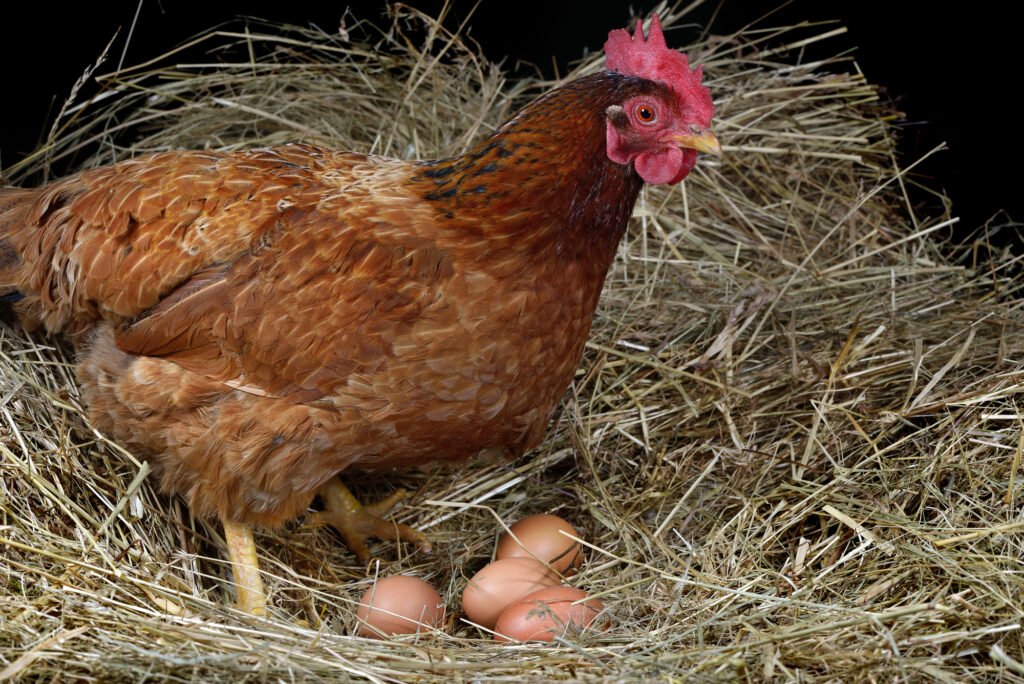
Disclosure: This post may contain affiliate links. If you purchase through these links, I may earn a small commission at no extra cost to you. Backyard chickens are having a moment. More people in suburbs and cities are building coops, ordering chicks, and collecting their own eggs every morning. The reasons vary. Some want fresher, healthier food. Some want a fun hobby. Some just like the idea of stepping outside with a cup of coffee and watching a small flock scratch around the yard. The learning curve is real, though. New chicken keepers tend to ask the same questions over and over. Chickens are simple animals, but they do have specific needs. If you get those basics right, the whole experience becomes easier and more rewarding. One common fear that stops people from ever starting is the belief that chickens need a farm. They don’t. If your backyard is big enough for a dog, it’s big enough for chickens. If you don’t have a farm store nearby, feed, coops, and supplies are all available online. And if you have Amazon Prime, you can have your supplies delivered in a matter of a few short days. Even if you don’t have Prime, other suppliers can deliver your items within a week. There are two books that I recommend that belong on every chicken keeper’s shelf. They are Storey’s Guide to Raising Chickens by Gail Damerow and The Chicken Health Handbook by Gail Damerow and Jeanne Smith, DVM. Both are practical, clear, and worth the price. In my two decades of raising chickens, I hear 10 questions most often from new and some not-so-new chicken keepers. 1. Do hens need a rooster to lay eggs? No. This is the single biggest misconception about chickens. A rooster is only needed if you want fertilized eggs that hatch into chicks. Your hens will produce eggs just fine without a rooster in the flock. 2. How many eggs will my chickens lay? It depends on three things: breed, age, and season. Hens are born with a set number of eggs, and once that set number runs out, there are no more eggs for a hen to lay. Some breeds were developed for high egg production. If the chickens are healthy, a hen from one of those breeds can lay an egg almost every day, but on average, they lay 4 to 5 eggs per week. A simple rule of thumb is that three hens will give you about two eggs a day. Age matters too. Hens start laying between 4 and 6 months old. Their first year is the most productive, and after that, egg output drops a little each year. Seasons also play a big role in egg production. Shorter daylight hours in winter slow production way down, and summer is peak laying time. 3. How long do chickens live? If protected from predators, most standard breeds live 8 to 10 years. Some can reach 15 years, but that’s rare. Chickens are hardy animals with a surprisingly long lifespan for their size. 4. How much daily care do chickens need? Chickens are low-maintenance animals and require less care than a dog. The daily care routine is relatively short, with collecting eggs, refreshing water, and feeding. I change the bedding every one to two weeks, depending on the weather and how dirty the coop gets. During our rainy season, the girls track in mud, and I find myself cleaning once each week. I deep-clean and disinfect the coop twice a year, once in spring and once in late fall. That’s about it. It is really less time-consuming than you might think. 5. What do chickens cost, and where do I get them? Baby chicks run $3 to $5 each, with specialized and rare breeds costing over $20 each. Females cost a bit more than males. Grown hens sell for $20 to $50 each and are usually sourced from local breeders or farm groups. You can buy chicks at a local feed store or order them online. Cackle Hatchery has one of the largest selections of breeds available for shipping. Another great chick shipper is Meyer Hatchery. 6. What do new chicks need? For the first four weeks, baby chicks need warmth. Set up a brooder with a single infrared heat lamp and keep the temperature at a steady 95°F by monitoring it with a thermometer. An 18-inch corrugated paper chick corral makes a cheap, effective pen, or check out my instructions for building an inexpensive plastic bin brooder. After 4 to 5 weeks, the chicks are ready to move into their outdoor coop and run. 7. When will my hens start laying? Most hens begin laying between 5 and 6 months of age. A good layer will produce 200 to 300 eggs per year. Rhode Island Reds and Buff Orpingtons are popular for their large brown eggs. White Leghorns lay large white eggs at a fast pace. Either one of these breeds is great for laying and won’t disappoint. For my pick of the top 5 egg layers, see the post Best Laying Hen Breeds. 8. Are brown eggs healthier than white eggs? No. Shell color comes from the breed of the hen and has nothing to do with taste or nutrition. What does matter is diet and lifestyle. Or so the experts say. I prefer brown eggs, and call me crazy, but I think they taste better. If you want truly great-tasting eggs, studies show that eggs from free-range hens are higher in Omega-3 fatty acids and lower in cholesterol than eggs from caged birds. And they do taste better. Even if your hens can’t roam completely free, their eggs will still taste better and contain more nutrients than most store-bought options. 9. Will keeping chickens save me money? No. This catches many new keepers off guard. Once you add up the cost of feed, water, bedding, coop materials, and your time, you’ll break even compared to buying cage-free organic eggs at the
Heritage Chicken Breeds
Heritage Chicken Breeds History Chickens and their eggs are a main part of the American diet. Since making their first appearance with Spanish explorers we’ve seen breeds developed specifically for enhanced meat and egg production. In 1873, the American Poultry Association published chicken breeds defined by the Standard of Perfection. The standard breeds defined adapted easily to production outdoors, in different climates. These early birds, or Heritage Chickens, were long-lived, hearty breeds with their reproduction a protein source for America’s growing population until the middle 1900’s. When chickens became industrialized between 1940 and 1960, the Heritage breeds were less prominent. Hybrid breeds, with their ready from chick to table in 8 weeks, became dominant to satisfy public demand. Today, many Heritage breeds face extinction with more than 3 dozen on the Livestock Conservancy’s endangered list. Heritage Chicken Breeds Standards The Livestock Conservancy issues strict guidelines for breeds defined and marketed as Heritage Chickens and they must meet all set forth standards to qualify. A Heritage Breed comes from an American Poultry Association Standard Breed, both parent and grandparent stock. Naturally mated through breed pairs of both parent and grandparent. Genetic ability for a long and vigorous life, thriving in pasture-based production. Heritage Chickens must have a slow growth rate, with market weight taking a minimum of 16 weeks. More of What Makes Heritage Chicken Breeds Heritage Chicken guidelines also state labels must include the breed name and variety. This rule includes terms like old-time, antique, heirloom, and old-fashioned—all synonymous with Heritage Chickens. Chickens hatched from Heritage Eggs must come from Heritage Standard Breeds recognized by the American Poultry Association and established before the mid-20th century. 15 Better Known Heritage Chicken Breeds
How to Roast a Chicken – The Better Way
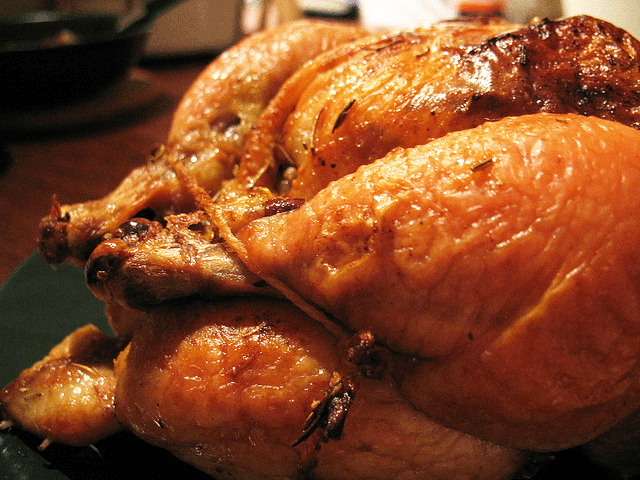
Roast a Chicken – The Better Way The Backyard Chicken Farmer Recipe Corner wouldn’t be complete without instructions for how to roast a chicken the better way. Or what I consider the better way. I learned how to roast chicken from my grandmother, who lived most of her life on my grandfather’s chicken farm. This was a small local farm where all the animals were cared for and raised humanely, unlike the huge commercial farms today. We always had fresh eggs and chickens raised organically, without synthetic growth hormones and antibiotics. Chicken and fresh eggs were a staple cooking ingredient on the farm, but my all out favorite dish was the Sunday roast chicken dinner. That golden, crusty delicious goodness was a family tradition handed down for generations. To this day, I continue the tradition and follow Grandma’s most important instruction: “Keep it simple, follow my instructions exactly, and your family won’t want anyone else’s roast chicken.” Boy was she right. What Tools You Need to Roast a Chicken There are 3 must have items to roast a better chicken. Without these tools, your chicken isn’t going to turn out the way it’s supposed to. Roasting Rack Roasting Pan (large enough to hold roasting rack) Cooking Twine (use twine made for cooking) When choosing a roasting pan and rack, pick the best you can afford. If you can spend the money for a better set, you will be glad you did. Calphalon Roasting Set I use the set by Calphalon. It is tri-ply stainless steel with a non-stick rack and provides great even heating. The roasting pan is a workhorse. Just make sure to follow the instructions when using it. Let’s Start Roasting Let chicken set at room temperature for 45 minutes to an hour before cooking. Putting chicken straight from the refrigerator to the oven toughens the meat and adds considerable time to the cooking. Remove giblets, if any, from chicken cavity. Preheat your oven to 450° F. Never wash your chicken. Whether you buy your meat from the butcher or you process your own, your chicken was washed before packaging, or at a cleaning station similar to what we use when butchering. That initial wash is all you need. For properly cooked chicken, your meat comes to 165° F which kills any bacteria or germs. Washing chicken in your kitchen spreads germs to the sink, countertops, utensils, and yourself, so avoid washing or rinsing your chicken. Thoroughly dry your chicken, inside and out. Start by patting the outside of the chicken with 2 or 3 paper towels, making sure you get as much moisture as possible off the meat, then discard towels. With 2 or 3 clean paper towels, dry out the chicken cavity. This step is essential for a properly roasted bird. By not removing as much moisture as possible from the inside and outside of the chicken, creates steam which dries out your chicken. Sprinkle kosher salt and ground black pepper inside the chicken cavity, about a ½ teaspoon of each. Take a sprig of fresh rosemary, about 3 inches long, cut in half, and add to the cavity. I occasionally add 1 or 2 cloves of garlic to the cavity, but usually I just use salt, pepper, and rosemary (I like rosemary in just about everything). You can put anything you like in the cavity, but I believe the simpler, the better. Now your chicken is ready to truss. Trussing is not necessary but it helps promote even cooking, making a better roast chicken. Next time I roast a chicken, I plan to take pictures of each step of the trussing, but for now I hopefully can give instructions in an easy to understand way. You need some cooking twine. I buy mine in a 500 foot cone which costs about $5.00. Be sure your twine is specifically made for cooking. 500 Foot Cone of Cooking Twine Lay your chicken on a cutting board or baking sheet with legs facing away from you and the breast side up. Place twine underneath the tail, making sure the twine is centered. Bring twine up and around legs, near the end, cross the ends of the twine and loop back under legs and pull the string tight to bring the legs close together. Keeping hold of the string ends, turn the chicken over, bring the twine around the sides of the chicken. Tuck in the wings and pull twine tight at the neck and secure using a butcher’s knot by looping the string through the knot twice. Tighten twine and cut the loose ends off. Here is a video made by Ronnie Woo. He does an excellent job of showing how to truss a chicken with and without kitchen string. I recommend the kitchen string method since the chicken can pull apart while cooking. Flip chicken back over and sprinkle with salt** and pepper, making sure to season entire chicken. **For salting the outside of the chicken, you need ¾ teaspoon of salt per pound. For a 4 pound chicken, you need 3 teaspoons of salt. I know this sounds like a lot, but trust me, it turns out great. Use pepper to taste. I normally use 1-2 teaspoons of ground black pepper. Do not pour salt over the chicken. Add the 3 teaspoons of salt and pepper to a small bowl and sprinkle salt and pepper over chicken using your fingers. You want to make sure the chicken is evenly coated. Place roasting rack in baking pan and lay chicken on rack, breast side up. I highly recommend using a roasting rack for even cooking and to prevent chicken from sticking to the pan. Place chicken on center rack of hot oven and cook for 50 to 60 minutes or until internal temperature at thickest part is 165° F. Thickest part of the chicken is the junction between the breast and thigh. Do not overcook as this will cause your chicken to dry out and lose flavor. There is no need to
Why Chickens Stop Laying Eggs
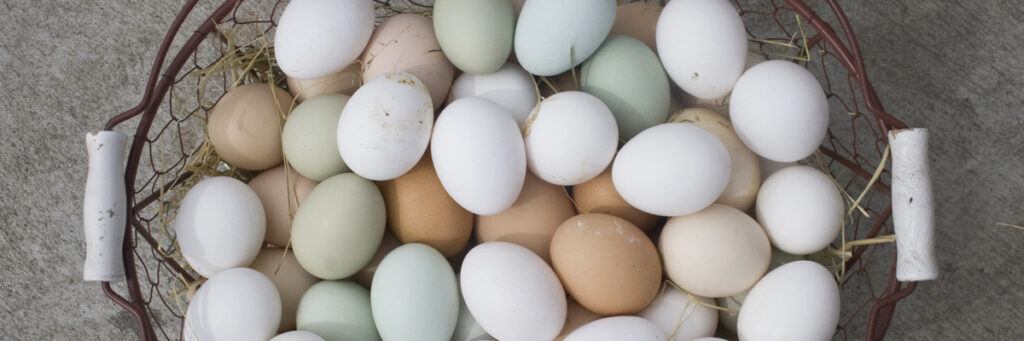
The most common reason people give for becoming backyard chicken farmers is the eggs. With growing concern over what goes into our food supply and some of the abhorrent conditions on factory farms, people are taking back control of their food production
Two Faces of Raising Chickens
Raising farm animals like chickens are not so common in citified places. But many people just want to have a feel of the suburban life and recreate this by having their small chicken farms in their backyards.