Best Chicken Breeds for Beginners: 7 Easy Chickens for Your Backyard Flock
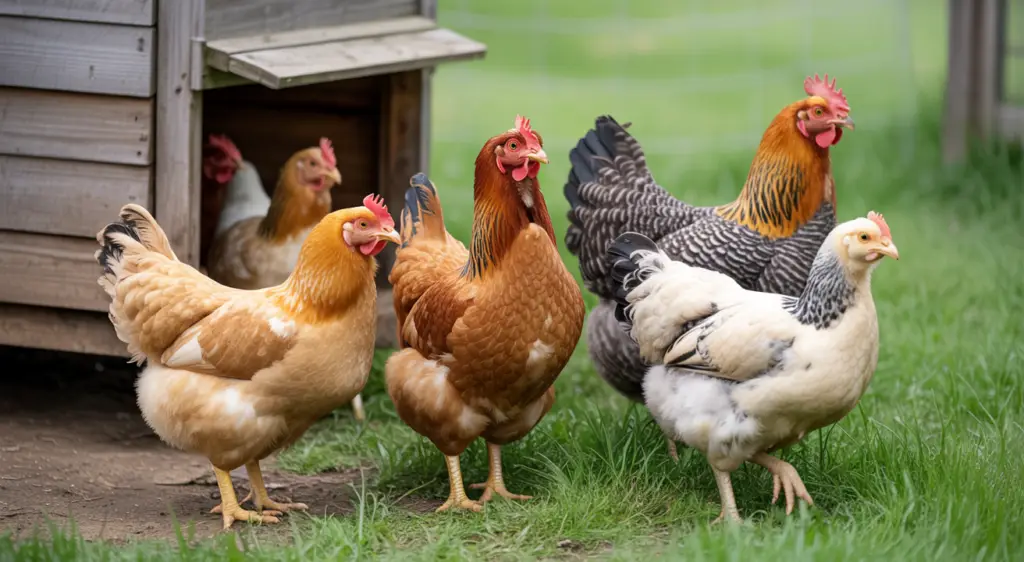
Disclosure: This post may contain affiliate links. If you purchase through these links, I may earn a small commission at no extra cost to you. Choosing the best chicken breeds for beginners can make raising backyard chickens easier and more enjoyable. If you’re just starting out, our Complete Beginner Guide to Raising Backyard Chickens walks through everything from choosing breeds to building your first coop. Pick the wrong breed, and you may end up with a flock that is flighty, noisy, or unpredictable, but pick the right one, and you get calm birds that lay eggs consistently. Breed choice shapes your daily experience in many ways. A docile hen accepts handling without protest, a hardy bird survives cold snaps without extra heat, and a productive layer puts eggs on your counter three to five times a week. For beginner chicken keepers, these traits matter more than looks or novelty. In this article, I discuss the seven backyard chicken breeds that experts and experienced hobbyists most often recommend. I’ll also show you which breeds to skip at first, how to match a breed to your climate and space, and how many birds to start with. By the end, you will have a clear plan for your first flock. Quick Comparison of the Best Chicken Breeds for Beginners The following breeds are widely considered the best chicken breeds for beginners because they are hardy, friendly, and dependable egg layers. 🐔 Breed 🥚 Eggs Per Year 😊 Temperament 🌤️ Climate Tolerance Rhode Island Red 250–300 Calm, confident Very cold-hardy Plymouth Rock 200–280 Gentle, docile Cold-hardy Australorp 250–300+ Quiet, calm Adaptable Buff Orpington 175–200 Very gentle Cold-hardy Sussex 200–250 Curious, friendly Heat-tolerant Easter Egger 200–280 Friendly, active Adaptable What Makes a Chicken Breed Good for Beginners? Not all chicken breeds are equally suited to beginners. Some are calm, hardy, and productive, while others require more experience to manage. The easiest chicken breeds for beginners tend to share a few important traits that make them easier and more enjoyable to raise. Temperament is one of the most important characteristics to consider. Friendly chicken breeds tolerate handling, stay calm around children, and integrate well with other hens in the flock. Nervous or aggressive birds can create constant stress for both the flock and the keeper. Egg production also matters to many beginners because eggs are often the main reason people raise chickens. The best backyard breeds typically produce at least 200 eggs per year. That works out to roughly four eggs per hen each week, meaning a small flock of four hens can easily supply a household with fresh eggs. Hardiness refers to how well a breed handles weather conditions. Cold-hardy chickens tolerate freezing winters without extra heating, while heat-tolerant breeds cope better with hot summers. Choosing a breed suited to your climate reduces the amount of extra care your flock will need. Ease of care includes practical considerations such as noise level, space requirements, and tolerance for confinement. Some breeds adapt well to smaller backyard runs, while others prefer wide open spaces. Some hens are quiet neighbors, while others announce every egg with enthusiastic cackling. When you combine the traits of temperament, egg production, hardiness, and ease of care, you get the characteristics that define the best chicken breeds for beginners. The breeds listed below meet most or all of these standards. Best Chicken Breeds for Beginners These backyard chicken breeds are widely recommended for their combination of friendliness, productivity, and hardiness. Rhode Island Red The Rhode Island Red is one of the most recommended egg-laying chickens in the United States. A healthy hen lays 250 to 300 brown eggs per year. If you want to understand production differences between breeds, see our guide on How Many Eggs Do Chickens Lay. Temperament runs calm and confident. Rhode Island Reds are not pushovers, but they are not aggressive either. They tolerate handling and adapt well to new situations. Most beginners find them easy to work with from day one. These are hardy chicken breeds in cold climates. Their single comb is somewhat cold-sensitive, but the rest of the bird handles freezing temperatures without trouble. I recommend applying a protective coating to the comb, such as a moisture-resistant ointment specifically made for poultry. Reds are active foragers and do well with space to roam, though they also manage in a well-sized run. Beginners who want reliable egg production and low drama will find Rhode Island Reds a solid first choice. Plymouth Rock Plymouth Rocks, often called Barred Rocks, are a beautiful bird with striking black-and-white striped feathers. These are among the friendliest chicken breeds you can raise, and they actively seek out human interaction, often following their owners around the yard. I can’t go outside without an entourage of clucking black and white hens. This is one of the best backyard chicken breeds for families. Plymouth Rocks tolerate children well and rarely peck or scratch. They stay calm during handling, which makes routine health checks simple. Egg production is reliable. Expect 200 to 280 brown eggs per year from a good hen. Plymouth Rocks also lay through winter better than many breeds, so your production stays steady when daylight drops. These are genuine backyard chicken breeds built for small farms and suburban coops. They adapt to confinement without becoming stressed and do well in both warm and cold climates. Australorp The Australorp holds a world record for egg production. In 1923, one Australorp hen laid 364 eggs in 365 days (Livestock Conservancy). Modern production averages 250 to 300 eggs per year, making these some of the best egg-laying chickens available to backyard keepers. Australorps are quiet and calm. They rarely cause problems within the flock and accept new birds more easily than many breeds. Their temperament makes them a good fit if you plan to expand your flock over time. Adaptability is another strong point as the Australorps handle both cold winters and warm summers better than most dual-purpose breeds. Originating in Australia, the Australorps easily handle