
Chicken Predators and How to Protect Your Flock
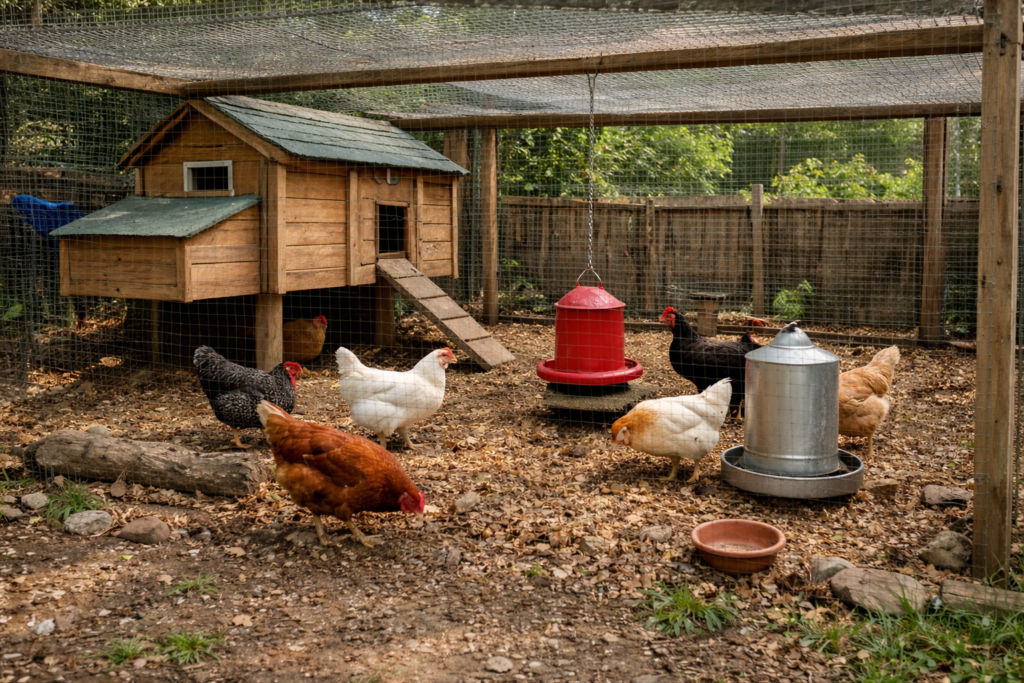
Disclosure: This post may contain affiliate links. If you purchase through these links, I may earn a small commission at no extra cost to you. Losing a chicken to a predator is one of the fastest ways to learn how important coop security really is. Most beginners assume their setup is good enough until something tests it. Unfortunately, predators only need one weak spot. A small gap, a loose latch, or a shallow fence can turn into a problem overnight. The good news is that most predator losses are preventable. Once you understand what you are up against and how predators behave, you can build a setup that keeps your flock safe without making things complicated. If you are still building your setup, start with the Complete Beginner Guide to Raising Chickens, then come back here to secure everything properly. Why Predator Protection Matters More Than You Think Predators are a common occurrence everywhere. Even in suburban areas, you deal with raccoons, neighborhood dogs, hawks, and other opportunistic animals. They do not need an invitation, and they are always looking for an easy meal. What surprises most new chicken keepers is how persistent predators are. If they find your coop once, they will come back again and again until they succeed in breaking inside. That is why predator protection is not just about reacting after a loss. It is about building a system that prevents problems from happening in the first place. Common Chicken Predators (And How They Hunt) Understanding predator behavior is the key to stopping them. Different animals attack in different ways. Some dig. Some climb. Some strike from above. Knowing this helps you build the right defenses. Raccoons Raccoons are among the most dangerous predators of backyard flocks. They are nocturnal and incredibly smart. They can open simple latches, reach through wire, and pull chickens apart without even entering the coop. Raccoons usually attack after dark and target weak points such as doors, vents, and loose wires. If one gets inside your coop, it often kills multiple birds in one night. Foxes Foxes are patient and quiet hunters. They typically attack at dawn or dusk and will dig under fences to reach your chickens. Unlike raccoons, foxes often grab a bird and carry it off. If you lose a chicken without a trace, a fox is often the cause. Hawks Hawks are daytime predators. They hunt from above and can strike quickly when chickens are out in the open. Free-ranging flocks are especially vulnerable. A hawk attack usually leaves scattered feathers and little else. Weasels Weasels are small but extremely dangerous. They can squeeze through very small openings, often less than an inch wide, and typically kill multiple chickens in a single attack, leaving bodies behind. These attacks often happen at night and can be devastating. Dogs Dogs are unpredictable predators. Even friendly pets may chase and kill chickens out of instinct. Unlike other predators, dogs often kill multiple birds without eating them. A single loose dog can wipe out an entire flock in minutes. Signs You Have a Predator Problem Most predator issues leave clues. You might notice disturbed bedding, missing birds, or feathers scattered around your yard. Damage to your coop, such as bent wire or dug-out areas, is another warning sign. If something feels off, trust that instinct. Predators often test a coop before making a full attack. How to Predator-Proof Your Chicken Coop A secure coop is your first line of defense. This is where your chickens sleep, and it needs to be as safe as possible. Use Hardware Cloth, Not Chicken Wire This is one of the most important upgrades you can make. Chicken wire is designed to keep chickens in, but does not keep predators out. Hardware cloth, with small openings, prevents animals from reaching through or tearing it apart. Use it on windows, vents, and any exposed areas. Secure Every Opening Predators look for gaps. Check your coop for loose boards, gaps around doors, openings near the roof, and weak corners. Even a small gap can become a problem, especially with animals like weasels. Install Strong Latches Simple latches are not enough. Raccoons can easily open basic locks. Use secure latches and locks that can’t be opened with a simple pull. Protect the Floor Predators dig, so you must ensure your coop floor is protected. For a secure floor, bury hardware cloth around the perimeter of the coop and add a wire apron that extends outward. The added hardware cloth helps prevent animals from digging under the coop walls. How to Secure Your Chicken Run Your run is where chickens spend most of their time. Take the time to give extra consideration to the protection needed from both ground and aerial predators. Cover the Run An open run invites hawks and other raptor birds. These hunting birds can decimate an entire flock in a single day. Adding netting or wire across the top creates a physical barrier that prevents aerial attacks. Prevent Digging Just like the coop, your run needs protection below ground. A buried barrier or apron made of hardware cloth around the edges of your coop and run stops animals like foxes from digging their way in. Keep It Clean and Dry Predators are attracted to easy opportunities. If your run has excess food, standing water, or waste buildup, it becomes more appealing. Get into a routine of keeping the run clean, which is easily accomplished during your regular chicken coop cleanings. If you have not yet set a cleaning schedule, read How to Clean a Chicken Coop to build a simple one. Electric Fencing (When You Need Extra Protection) If you live in an area with a heavy predator presence, electric fencing can be a strong upgrade. A low-voltage poultry fence can deter animals like raccoons, foxes, and even dogs. It works as a psychological barrier. Once a predator touches it, the fence does the trick, and the predator usually does not come back. This is especially