
Internal Egg Laying In Chickens: Prevention And Solutions
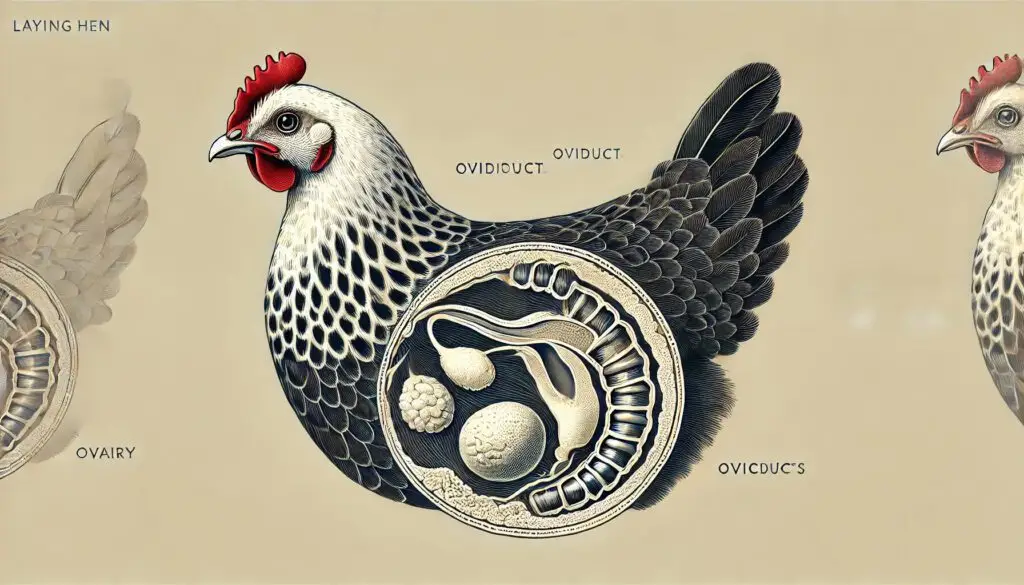
Disclosure: This post may contain affiliate links. If you purchase through these links, I may earn a small commission at no extra cost to you. Many backyard chicken farmers find their chickens’ egg laying slowing or stopping altogether during the summer. While the first thought is to attribute it to the extreme heat we suffer each year, it may not be why some of your hens stop laying. Internal egg laying in chickens is not a common condition, but it is a possibility and can occur from oviduct trauma, infection, or genetic defects. What is Internal Egg Laying? Internal egg laying in chickens is a serious condition in which eggs are retained inside the hen’s body instead of being expelled normally. This condition poses significant health risks, including infections and internal damage, and can even be fatal if not promptly addressed. Understanding internal egg-laying is not just important; it’s crucial for maintaining the health and productivity of your flock. As a backyard chicken farmer, recognize the signs of internal egg-laying early. Factors such as genetic predispositions, environmental stressors, inadequate nutrition, and underlying health issues can all contribute to this condition. By being proactive and intervening promptly when you notice signs like lethargy, decreased appetite, a swollen abdomen, and difficulty walking, you can prevent severe complications and ensure the health of your flock. Preventing internal egg-laying involves several proactive measures. Ensuring a balanced diet rich in calcium and other essential nutrients supports proper egg formation and laying. Maintaining a stress-free environment with adequate space, appropriate lighting, and minimal disturbances helps reduce the risk of internal laying. However, it’s not just about prevention. Regular health check-ups and monitoring are equally important. They provide reassurance that your flock’s health is being cared for, catching early signs of trouble and allowing for timely medical intervention. This regular care is a testament to your responsibility as a backyard chicken farmer, ensuring the well-being of your flock. Solutions for internal egg laying often require veterinary care, including manual egg removal, antibiotics to prevent infection, and, in severe cases, surgical intervention. Post-treatment, it is vital to address the underlying causes to prevent recurrence. This diligent commitment to your flock’s health is critical to being a responsible backyard chicken farmer. Poultry farmers can effectively manage internal egg laying by understanding the causes, implementing preventative measures, and seeking timely solutions. This approach ensures the welfare of the hens and supports the poultry operation’s overall productivity and economic viability. Understanding the Causes of Internal Egg Laying Internal egg laying in chickens is a serious condition in which eggs are retained inside the hen’s body instead of being expelled normally. This condition poses significant health risks, including infections and internal damage, and can even be fatal if not promptly addressed. Understanding internal egg-laying is not just important; it’s crucial for maintaining the health and productivity of your flock. Various factors, including genetic predispositions, environmental stressors, inadequate nutrition, and underlying health issues, can cause internal egg-laying. Recognizing the signs early, such as lethargy, decreased appetite, a swollen abdomen, and difficulty walking, and intervening promptly can prevent severe complications. This proactive approach is a testament to your responsibility as a backyard chicken farmer. Preventing internal egg-laying involves several proactive measures. Ensuring a balanced diet rich in calcium and other essential nutrients supports proper egg formation and laying. Maintaining a stress-free environment with adequate space, appropriate lighting, and minimal disturbances helps reduce the risk of internal laying. However, it’s not just about prevention. Regular health check-ups and monitoring are equally important. They provide reassurance that your flock’s health is being cared for, catching early signs of trouble and allowing for timely medical intervention. Solutions for internal egg laying often require veterinary care, including manual egg removal, antibiotics to prevent infection, and, in severe cases, surgical intervention. Post-treatment, it is vital to address the underlying causes to prevent recurrence. Poultry farmers can effectively manage internal egg laying by understanding the causes, implementing preventative measures, and seeking timely solutions. This approach ensures the welfare of the hens and supports the poultry operation’s overall productivity and economic viability. Chicken Breeds Less Likely to Suffer from Internal Egg Laying table { width: 100%; border-collapse: collapse; } th, td { padding: 15px; text-align: left; border-bottom: 1px solid #ddd; } th { background-color: #4CAF50; color: white; } td { background-color: white; color: black; } tfoot td { background-color: #4CAF50; color: white; text-align: center; } Chicken Breeds Less Likely to Suffer from Internal Egg Laying Breed Characteristics Rhode Island Red Hardy and robust, excellent layers of brown eggs. Sussex Docile and friendly, good egg production and dual-purpose breed. Australorp Known for their high egg production and calm temperament. Plymouth Rock Reliable layers, hardy in various climates, good dual-purpose breed. Wyandotte Resilient and good layers, known for their beautiful plumage. Orpington Gentle and friendly, decent layers and excellent for meat production. Leghorn Prolific layers of white eggs, active and hardy birds. Brought to You By thepreppersbasement.com Early Detection and Diagnosis Internal egg laying in chickens can lead to severe health complications if not detected early. Identifying the signs and symptoms promptly is essential for protecting the health of your flock. Here are the key points to watch for and steps to take: Behavioral Changes: Physical Symptoms: Veterinary Consultation: Record Keeping: Understanding Risk Factors: By being vigilant and proactive, poultry farmers can significantly reduce the impact of internal egg laying on their flock, ensuring the health and productivity of their chickens. Preventative Measures for Poultry Farmers Preventing internal egg laying in chickens helps maintain flock health and farm productivity. Proactive measures can significantly reduce the incidence of this condition and its adverse effects. Establishing a Conducive Living Environment Creating a clean, safe, spacious coop with adequate ventilation is the first step in preventing many issues with your flock’s health. Ensuring access to natural light and maintaining a regular light-dark cycle supports the hens’ circadian rhythms, essential for regular egg-laying patterns. A well-maintained environment reduces stress, a significant factor in preventing internal egg-laying.