
How Many Chickens Should a Beginner Start With?
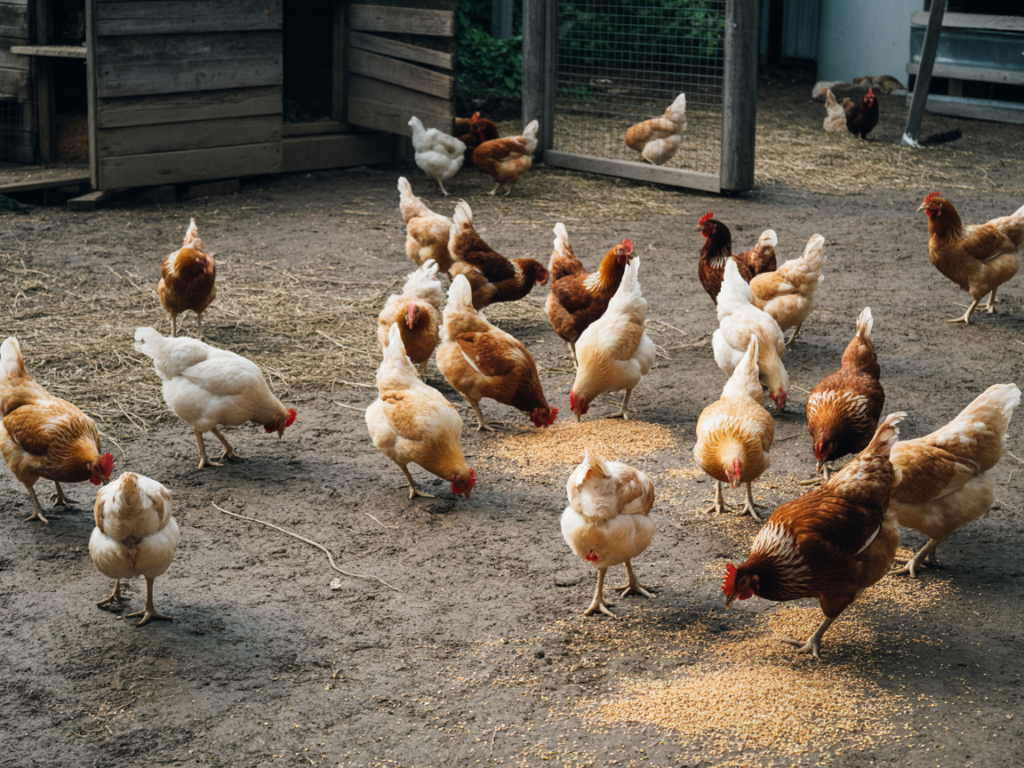
This article contains affiliate links. I may or may not earn a small commission if you buy from any of these vendors. If you are new to raising chickens for beginners, choosing the right flock size is one of the first decisions you will need to make. One of the first questions new chicken keepers ask is simple. How many chickens should I start with? It sounds like an easy decision. It isn’t. The number you choose affects your space, your daily routine, your costs, and how many eggs you actually get. Start with too many, and things get overwhelming fast. Start with too few, and you may not get enough eggs, or you end up with a stressed flock. The good news is that you do not need to guess. Once you understand what really matters, the right number becomes clear. The Short Answer Most Beginners Are Looking For If you want a quick answer, here it is. Most beginners do best starting with 3 to 6 chickens. That range gives you: It is small enough to handle easily, but large enough to avoid common beginner problems. Now let’s break down why that range works so well. Why You Should Not Start Too Small Chickens are not solitary animals. They are flock animals. A single chicken will struggle. It will pace, call out, and show signs of stress. Even two birds can be risky. If one gets sick or dies, the other is left alone. A small group changes everything. With three or more chickens, the flock feels stable. They interact naturally, settle into a routine, and behave the way chickens are supposed to behave. If you are trying to decide how many chickens to start with, this is one of the most important things to understand. How Many Chickens Do You Need for Eggs? This is where your personal situation matters most. Some people want a few eggs each week. Others want enough for a family or even extra to share. Some of the best chicken breeds for beginners are known for consistent egg production. A healthy laying hen produces several eggs per week, but not on a perfect schedule. Production changes with the season, the breed, and the age of the bird. Egg production also depends on what chickens eat and how well their diet supports laying. Instead of guessing, think about your household. How often do you eat eggs?Do you bake often?Do you want extra? Once you answer those questions, the number of chickens you need becomes much easier to estimate. Simple Egg Production Guide If you are wondering how many chickens you need for eggs, this chart gives you a quick starting point. 🐔 Number of Chickens 🥚 Eggs Per Week 🏡 Good For 3 12–18 Couples or light egg use 4–6 18–30 Most families 8+ 30+ Large households or extra eggs Keep in mind that egg production is not perfectly consistent. Winter cold, summer heat, and molting all affect output. Space Will Limit Your Flock Size No matter how many chickens you want, your space sets the real limit. Chickens need room inside the coop and outside in the run. Without enough space, problems show up quickly. You will see things like pecking and aggression, stress, and lower egg production. Each bird needs enough space to move comfortably, rest, and stay out of each other’s way. If your yard is small, your flock should stay small. Trying to push beyond what your space allows usually leads to problems that are hard to fix later. More Chickens Means More Work Chickens are easy to care for, but they still need daily attention. Every day, you will need to check and refill water and feed, collect eggs, and do a quick health check. With a small flock, this takes just a few minutes. As you add more birds, those same tasks take longer. Cleaning becomes more frequent. Feed runs out faster. Small chores begin to stack up. It is not overwhelming, but it is noticeable. Starting with fewer chickens gives you time to build a routine that fits your schedule. Costs Increase with Flock Size Every chicken adds to your costs. Feed is the biggest ongoing expense. More birds mean more feed every week, and housing costs increase as well. A larger flock needs a larger coop, more bedding, and more supplies. The difference between a small flock and a large one is not just a few dollars. Starting small helps you control your budget while you learn. Should You Get All Your Chickens at Once? This is something many beginners overlook. It may seem easier to start with a few birds and add more later, but in reality, that can create problems. Chickens establish a pecking order. When new birds are introduced, that order is disrupted. The existing flock often chases and pecks the newcomers until a new hierarchy forms. It can be managed, but it takes time and extra space. Starting with one group avoids that issue. The birds grow together and form a stable flock from the beginning. Best Number of Chickens for Beginners If you are still wondering how many chickens you should start with, here is a simple way to think about it. Start with a number you can manage comfortably. For most people, that means that you have enough birds to form a stable group, enough eggs to meet your needs, and you don’t have so many that it adds flock stress or extra work. That is why most beginners land in the same range. It works. Common Beginner Mistakes A few mistakes keep showing up. Some people start with too many chickens. It feels exciting at first, but quickly becomes more work and more costly. Others go too small. One or two birds can create problems if something happens to one of them. Another common mistake is not planning ahead. Many people end up wanting more chickens later but do not have the space or setup to expand