Best Chicken Feed for Backyard Chickens: What Beginners Should Buy
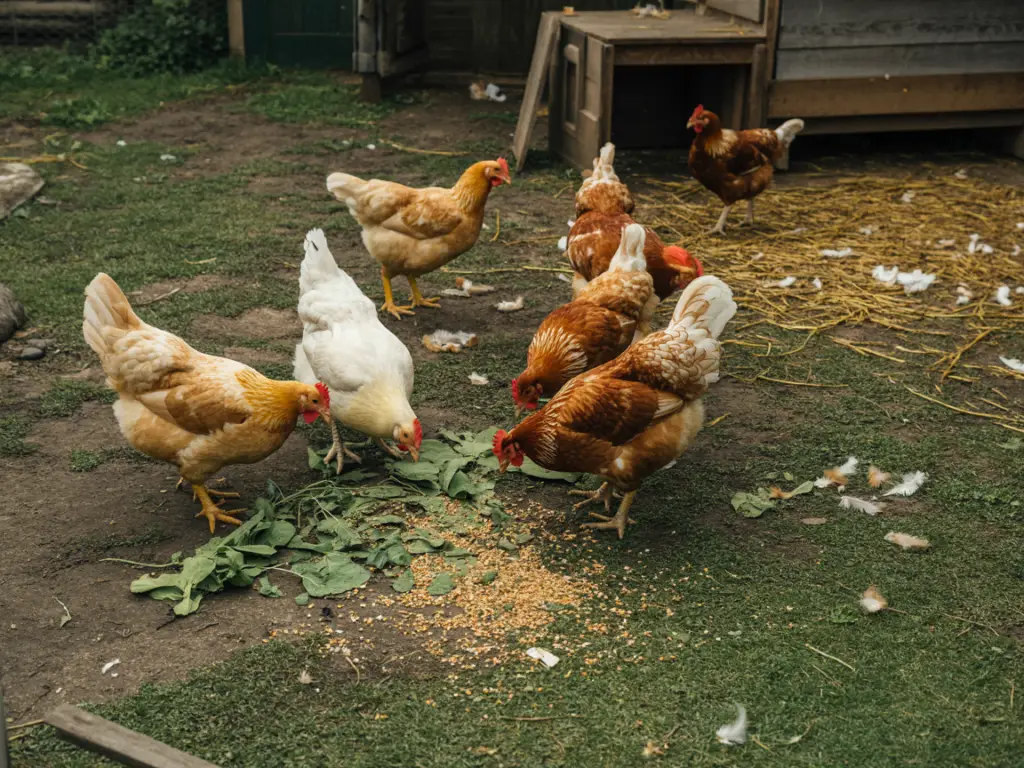
This article contains affiliate links. I may or may not earn a small commission if you buy from any of these vendors. Walking into a feed store for the first time can feel like a lot. The shelves are lined with bags labeled starter, grower, layer, all-flock, medicated, non-medicated, mash, crumbles, and pellets. Every bag sounds important, but few make it clear which one your chickens actually need. The good news is that feeding backyard chickens is much simpler than it looks. In most cases, the right choice comes down to two things. How old are your birds, and what are you raising them for? A flock of laying hens needs different nutrition than a group of young chicks, and meat birds need something entirely different. Most backyard chickens do well on a complete commercial feed. That means the bag already contains the right balance of protein, vitamins, and minerals, so you are not left trying to piece together a diet on your own. This guide walks through the main types of chicken feed, explains what to look for on the label, and helps you choose the best option for your flock. Find out what to feed your chickens in our guide, What Do Chickens Eat? A Complete Feeding Guide. What Is the Best Chicken Feed for Backyard Chickens? The answer depends on what kind of birds you have and what stage of life they are in. A chick, a growing pullet, and a laying hen all need different things from their feed. This section covers why there is no single chicken feed and how you figure out what your flock needs. Why There Is No One-Size-Fits-All Chicken Feed There is no single feed that works for every chicken at every stage. A day-old chick needs 18–20% protein to support fast growth. A laying hen needs 16% protein and extra calcium to produce strong eggshells. A meat bird needs even higher protein to put on weight quickly. Feeding the wrong type can cause real problems. Too much calcium harms young birds, while too little protein slows egg production. The right feed matches the bird’s age and the job they have to do. Learn more about the roles of chickens in our Complete Beginner Guide to Raising Chickens. Why Complete Feed Is Best for Most Beginners A complete feed is formulated to be the only feed your chickens need. It contains protein, fat, fiber, vitamins, and minerals in the correct ratios. You do not need to mix grains, add supplements, or do any math. For beginners, a complete feed takes the guesswork out of nutrition. You fill the feeder, and your birds get what they need. Simple. How a Chicken’s Age Changes Its Feed Needs Chickens go through three main life stages, and each stage has a matching feed. Chicks eat starter feed from hatch to about 8 weeks. Pullets eat grower feed from 8 weeks to about 16 weeks. Laying hens eat layer feed from the time they start producing eggs. Each feed has a different protein level and calcium content designed for that stage. Skipping a stage or switching too early can hurt your birds. Types of Chicken Feed by Life Stage Chicken feed is grouped by life stage. Each type has a specific protein and calcium level that matches the bird’s needs at that age. There are five main types you will see at the feed store. Chick Starter Feed Chick starter is a high-protein feed (18–20%) made for birds from hatch to about 8 weeks old. Starter feed comes in fine crumbles, making it easier for young chicks to eat. This feed does not contain added calcium because too much calcium can damage a chick’s developing kidneys. Grower Feed Grower feed, a bridge between starter and layer feed, has a slightly lower protein level (14–16%) and is meant for pullets between 8 and 16 weeks. Layer Feed If you have active laying hens, you need a layer feed designed specifically for hens that are actively laying. This feed contains about 16% protein and 3–4% calcium to support strong eggshells. Most backyard chicken keepers with a flock of adult hens will use layer feed as their everyday feed. All-Flock Feed All-flock feed (sometimes called flock raiser) works for mixed-age groups and has moderate protein (around 18–20%) and lower calcium than layer feed. If you keep hens, chicks, and roosters together, all-flock feed works for all your chickens. You offer oyster shells on the side for the laying hens. Broiler Feed Broiler feed is a high-protein formula (20–24%) built for meat birds. It’s formulated for fast weight gain for your meat birds. Most backyard egg keepers will never need it, but if you raise Cornish Cross or other meat breeds, this is the feed to use. When you are ready to raise meat breeds, check out our guide, Raising Meat Chickens. 🐣 Feed Type 📅 Best For 📝 Main Purpose Chick Starter 0–8 weeks High protein for rapid early growth Grower Feed 8–18 weeks Moderate protein for steady development before laying Layer Feed 18+ weeks or when hens begin laying Added calcium and balanced nutrition for egg production All-Flock Feed Mixed-age flocks Balanced feed for mixed flocks; offer oyster shell separately for laying hens Broiler Feed Meat birds Higher protein feed for fast growth and weight gain Mash, Crumbles, or Pellets: Which Type of Chicken Feed Is Best? Chicken feed comes in three forms: mash, crumbles, and pellets. The nutrition is the same across all three feed forms. The difference is in texture, which affects how much feed your flock wastes and how easily the feed is for your chickens to eat. What Is Mash Feed? Mash is a loose, unprocessed mix of ground grains and nutrients. It looks like coarse flour. Mash is easy for very young chicks to eat, and you can mix it with warm water to make a porridge. The downside is waste. Chickens scratch through it and spill it on the ground. What
What Do Chickens Eat? A Complete Feeding Guide for Backyard Chickens
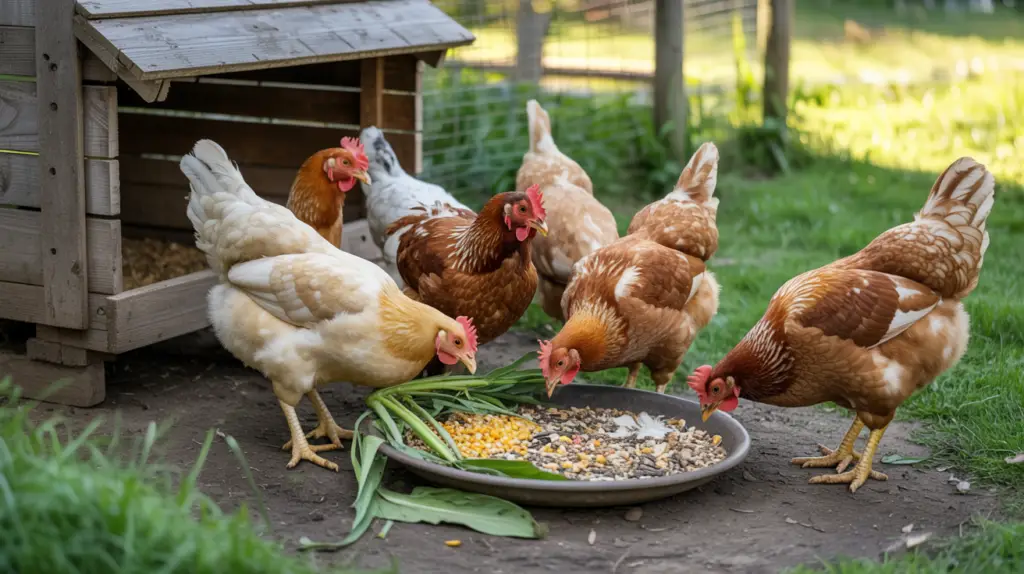
Disclosure: This post may contain affiliate links. If you purchase through these links, I may earn a small commission at no extra cost to you. One of the first questions new chicken keepers ask is “What do chickens eat?” Closely behind it is another important question: “How do you keep a backyard flock healthy and productive?” The good news is that chickens are not very picky. They can eat a wide range of foods, including commercial feed, grains, greens, insects, and some kitchen scraps. In this complete feeding guide, you’ll learn what chickens eat, which foods are safe, which foods to avoid, how feeding changes with the seasons, and how to choose the best feed for every stage of a chicken’s life. If you’re just starting out, our Complete Beginner Guide to Raising Chickens walks through everything from choosing breeds to setting up your first coop. What Do Chickens Eat? Chickens eat a wide variety of foods both in the wild and in backyard flocks. A healthy diet typically includes commercial feed, grains, insects, kitchen scraps, and fresh greens. A good chicken diet includes commercial feed, grains, insects, kitchen scraps, and fresh greens. Each of these plays a role in keeping your flock strong and productive. Commercial feed forms the backbone of most backyard chicken diets because it’s formulated to meet a chicken’s daily nutritional needs. Beyond that, chickens are natural foragers. They scratch the ground looking for bugs, seeds, and plant matter. Feeding chickens a mix of quality feed and natural forage produces the healthiest birds. Here’s a quick overview of the foods that make up a typical backyard chicken diet: 🐔 Food Type 🌾 Role in the Diet Commercial pellets or crumble Forms the bulk of a chicken’s daily diet and provides balanced nutrition. Grains (corn, oats, barley) Provide energy and carbohydrates for active birds. Insects and worms Deliver natural protein and encourage natural foraging behavior. Kitchen scraps Offer variety and nutrients when given in moderation. Leafy greens Provide vitamins and minerals while keeping chickens active. While chickens can eat many different foods, they still need the right balance of nutrients to stay healthy. The Basics of a Healthy Chicken Diet While chickens eat a wide variety of foods, they still need a balanced diet to stay healthy. A complete chicken diet covers four main nutritional areas. Protein Protein supports feather growth, muscle development, and egg production. Laying hens need about 16% protein in their diet. Good protein sources include mealworms, fish meal, and high-quality commercial feed. Free-ranging chickens also get extra protein from insects. Carbohydrates Carbohydrates give chickens energy. Corn, wheat, and oats are common sources. Don’t overdo it with corn, though. Too much corn can throw off the nutritional balance and lead to weight gain. Vitamins and Minerals Fresh greens, vegetables, and quality feed all contribute vitamins and minerals. Chickens that forage freely tend to get a good mix naturally. Confined birds may benefit from occasional vitamin supplements, especially if they have limited access to fresh forage. Calcium Laying hens require extra calcium to produce strong eggshells. Most layer feeds include calcium, but many keepers offer oyster shell as a free-choice supplement on the side. We’ll cover this more in a later section. Types of Chicken Feed Not all chicken feed is formulated the same way. The best chicken feed depends on your bird’s age and purpose. Starter Feed Starter feed is designed for chicks from hatch through about 8 weeks of age. It’s high in protein, usually around 20–22%, and supports rapid early growth. It typically comes as a fine crumble that young chicks can eat easily. Grower Feed Grower feed is used for pullets from about 8 weeks until they begin laying, usually around 18–20 weeks. Protein drops slightly, to around 16–18%, as growth slows and the body matures. Layer Feed Layer feed is formulated to support egg production and should make up the majority of the laying hen diet. Some breeds produce more eggs than others, which can affect how much feed they consume. Our guide to the Best Chicken Breeds for Beginners explains which breeds are known for reliable egg production. The best chicken feed for layers contains around 16% protein and added calcium. Switch your hens to layer feed when they start laying their first eggs. Feeding layer feed too early can stress young kidneys, so timing matters. What Chickens Can Eat (Safe Foods) Chickens can eat a surprisingly wide range of foods. Knowing what chickens can eat helps you use kitchen and garden scraps wisely. 🐔 Food ✅ Safe for Chickens? 📝 Notes Lettuce Yes Great hydration source Berries (strawberries, blueberries) Yes High in antioxidants Oats (cooked or raw) Yes Good energy source Corn Yes Feed in moderation Mealworms Yes Excellent protein boost Cooked rice Yes Plain only, no salt or seasoning Watermelon Yes A favorite summer treat Pumpkin Yes Seeds act as a natural dewormer Cooked vegetables Yes Avoid heavily seasoned leftovers Apples Yes Remove seeds before feeding Sunflower seeds Yes High in fat, feed sparingly Eggs (cooked) Yes Do not feed raw or whole Keep treats and scraps to less than 10% of your flock’s total daily intake. Too many extras push balanced nutrition out of commercial feed. If you’re new to keeping chickens, you may also want to read 10 Questions Every New Chicken Keeper Asks, which covers many of the most common beginner concerns. What Not to Feed Chickens Some foods are toxic to chickens. Knowing what not to feed chickens can help keep your birds healthy and prevent serious illness or death. ⚠️ Food 🚫 Why It’s Unsafe Avocado Contains persin, which is toxic to birds. Chocolate Theobromine causes heart and nervous system damage. Moldy food Mold produces mycotoxins that can kill chickens. Raw beans Contain phytohemagglutinins, a deadly toxin. Salty foods Salt poisoning causes neurological symptoms. Green potatoes or peels Contain solanine, a toxic compound. Onions Can cause hemolytic anemia in large amounts. Citrus fruit May reduce egg production and cause digestive upset. Rhubarb