Raising Meat Chickens
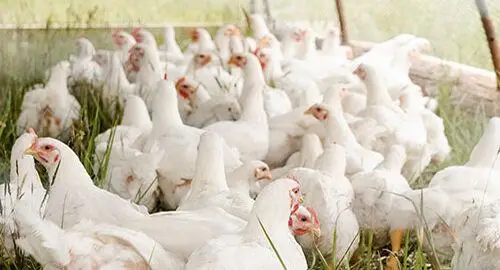
Even though the first day of winter was only a short time ago, it is time to start planning to raise meat chickens during the coming spring. If you’re still straddling the fence, I hope this article helps you decide if raising meat chickens in your backyard is for you. Even if you live in an urban area, chances are good you can still raise chickens for meat. First Things First Food processing, whether fruits and vegetables or meat, increases self-reliance. It also ensures your chickens are raised humanely in a clean, cage-free environment. Supplying your family with natural organic meat, free from growth hormones and antibiotics, is essential for raising meat chickens in a backyard. Add the fantastic taste of farm-fresh chicken meat, and you’ll wonder why you never raised your own. Not everyone wants to or can raise meat chickens. Some cities and suburban areas may not allow backyard chickens; if they do, the number of chickens may be limited. Others may not have the space or have neighbors who object to raising chickens. Then, there is the last aspect of raising meat chickens. After putting the work and effort into preparing your chickens for the table, can you process them? You can take them to a processor, but even this might not be easy. I won’t lie to you. The first butchering is hard for most backyard chicken farmers. Some find it more difficult than others do, making it the first and most important consideration before raising meat chickens. If your area allows chickens, you have the space for them, and you’re okay with the emotional aspect of butchering, consider giving it a shot. For many of you, you’ll be glad you did. Let’s Begin Once you’ve decided raising meat chickens is for you, research the breeds. There are different meat breeds and dual-purpose breeds that are good for egg laying and meat production. Deciding which breed to buy is an essential first step. For your first batch of meat chickens, start small, keeping your group to no more than five or six. A good rule of thumb is to buy one or two extra chicks since it is common for a chick or two to die. Keep your choices simple by staying with a well-known breed like the Cornish Cross. They are inexpensive and available at most local feed stores or online hatcheries. The Cornish Cross There is a lot of negative discussion about this breed, causing most first-time backyard chicken farmers to pass them up. I’ve seen many horror stories about the Cornish Cross. There’s a lot of concern over the birds supporting their weight and heart attacks. From experience, if done correctly, Cornish Cross chickens are easy to raise without any health issues. We’ve successfully raised many Cornish Cross flocks and consider this bird a great meat flock for beginners. The two mistakes flock owners make are overfeeding and not butchering soon enough. When our Cornish reaches three weeks old, we only feed them during the day, removing their food at night. If food is left out, these birds continually eat, causing them to gain too much weight too quickly. The Cornish Cross’ constant eating contributes to their rapid growth, making them ready to butcher at eight weeks. Removing their food at night helps slow the growth process. While you can butcher any time you want, we recommend eight weeks. You’ll get a bigger bird by waiting longer than eight weeks and not cutting back their feed, but they’ll also have health problems. The 8-week butchering time frame is two weeks less than other meat chicken breeds and at least one or two months before the dual-purpose breeds are ready. By following these suggestions, you should do great with raising the Cornish Cross. The Cost of Raising Meat Chickens in a Backyard No matter which breed you buy, keep costs under $10 per bird. Costs include the cost of the bird, shipping, and feed. By choosing the right breed, raising meat chickens in a backyard costs much less than you think. If your backyard chicken farm is already set up, the only cost is your chicks, feed, and possibly the brooder. If you don’t have a brooder, you can make one reasonably cheap using repurposed items. Your basic brooder needs are a container to keep the chicks in, a heat light, bedding, feeders, and waterers. For the container, anything with high sides to keep the chicks in and provide a safe environment will do. We bought a used stock tank for $25 at our local feed store. The tank gives us a safe place for all our new chicks for years to come. You can also use plastic kiddie pools or a sturdy cardboard box. Do you want to know what to feed your flock? Check out Best Chicken Feed for Backyard Chickens. Brooder Supplies Whatever you use, all brooders must have the following characteristics: ? Brooder Supplies Checklist ? Enough space for each chick to easily move around Safe from any sharp objects or safety hazards Easy to clean or discard, like a cardboard box (Cornish crosses poop a lot) Easy to move Heat source – I recommend the EcoGlow for low-cost operation Easy to reach food and water* Brought to You by thebackyardchickenfarmer.com ? Water containers must not be too deep because your chicks can drown. For new chicks, I recommend a water nipple system or a drown-proof waterer made explicitly for young chicks, like a mason jar waterer. As an Amazon Associate, I earn commission from qualifying purchases which helps with website upkeep. After Cornish Cross chicks are past the brooder age, about three weeks, you can move them to a larger area as long as they are not showing any signs of illness. For other breeds, usually, six weeks is an excellent time to start moving them. No matter what breed you choose, you must separate young chicks from older chickens and give them time to acclimate with the
Raising Meat Chickens in Your Backyard
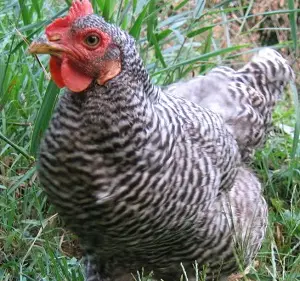
If you have been considering raising backyard chickens for meat, but just need a little push form logic before diving in, maybe I can help. The popularity of backyard chicken farming is growing each year with few signs of slowing down anytime soon. The idea of sustainability, self-reliance, and healthy food sources has people embracing this hobby. Many like the idea of producing their own food giving the security of knowing they can take care of themselves and their loved ones. We raise chickens for both meat and eggs. Besides buying chickens specifically for meat, we use the laying hens once their egg production stops. I urge everyone to raise laying hens, however I also suggest careful consideration before raising meat chickens. The most important question to ask yourself is; “Can I do this when the time comes?” Recommended Reading If you are thinking about raising chickens for meat, this is a must read. After 20+ years of raising chickens, there are still tears at the killing station. My husband and I have great affection for chickens, so when we slaughter for meat, it is because of that affection. We know that our chickens lived well and died quickly and humanely. In keeping with my husband’s Cherokee teachings, we give thanks to them for sustaining us. If we didn’t feel so deeply about giving all life respect, we would buy our chicken from the store. Never overlook all aspects of raising chickens. Becoming emotionally attached to your chickens is a possibility, making butchering difficult. Do some introspective thinking about whether you or your family will have difficulties with this. You always have the choice of taking your birds to a butcher, but this will add to the cost of raising your chickens. Best Breeds – My Experiences So what breed is best for meat chickens? I’ve heard this question many times. Whether you want better sustainability or just a bird to roam with your hens without adding extra chores, picking the right breed is sometimes difficult. Dual-Purpose Dual-purpose chickens are not meat or egg chickens; they are both. Many of your dual-purpose chickens are heritage breeds, consisting of both rare and not so rare birds. Usually, the layers don’t lay massive amounts of eggs but lay steadily throughout the year. The males dress out with a weight of about 5 pounds after 20 weeks; the hens are slightly smaller at 3 pounds. We like to process our males at 16 weeks because with a smaller bird, the meat is leaner. I like the way the smaller birds cook more uniformly. Dual-purpose chickens are a perfect starter bird and I recommend trying them for meat chickens before moving to faster growing chickens like the Cornish X or Cornish Rock. For those living outside the United States, here is a listing of dual-purpose breeds in your country. Advantages • Most dual-purpose chickens are good for any suburban farm space and are aggressive foragers, making them excellent free rangers. • If you process before 24 weeks, their meat is flavorful and tender: if kept longer, the meat becomes tough. We normally keep Rhode Island Reds and Black Star hens for laying. When they get too old for laying, we butcher them for soup chicken and at 4 pounds dressed, they make a good amount of meat. Disadvantages • If you plan to sell your dressed birds, their smaller carcass weights might make them harder to market. • They have less overall meat compared to standard meat breeds and the feed to meat ratio is substantially higher. • It takes longer to process the chickens for meat which may be too long for people with busy lifestyles or short growing seasons. • With their harder keel bone, dual-purpose chickens are difficult to process while older birds have hair which needs singing to remove. Cornish X Rock or Broilers Cornish X Rocks are the favored commercial farm chickens because of their feed to meat ratio: 1.9 pounds of feed to meat ratio makes a commercial dream. For a backyard chicken farmer, these chickens have a 2.5 pound ratio because of the lack of facilities and equipment.These birds are genetically superior through selective breeding with the sole purpose of processing in 6-12 weeks. If you want birds with short growing periods, then this breed is what you need. White feathers, light skin, and a short squatty stance are good characteristics of a meat bird. Advantages • Chick price is cheap, sometimes 60¢ during spring sales. • Fast growth rate with an average weight of 4 pounds with both males and females making excellent meat birds. • Excellent feed to meat ratio of 1.9-1. • Body contains soft bones with easy to access cavities. • Easy to pasture in tractors and will forage for up to 25% of their food. • If raised correctly by the backyard chicken farmer, whether on pasture or in confinement, Cornish X Rocks don’t face many of the health problems commercial birds do, like, leg problems and heart failure. Disadvantages • Not good for sustainability. Must buy new chicks each year because letting them mature to breeding age is costly; the feed cost is more than the chicken’s worth. Dual-purpose breeds are better for sustainability. • Care is time-consuming because of leg and joint problems from overfeeding and not enough exercise, making them unwilling to forage. This also contributes to heart problems and early death. • Birds are not willing free rangers and must have food withheld to force them to forage. They don’t venture far from the feeders. • Must keep Cornish Xs separate from other chickens because of their different needs of feed and pasture. This is time-consuming and may not fit into some people’s lifestyle. • Frankly, these birds are ugly and go through an awkward growing stage. Their plain white feathers is an unappealing to poultry lovers accustom to bright, colorful birds. Freedom Rangers Freedom Ranger chickens are slower growing than the Cornish X and prettier to look at