Best Laying Hen Breeds
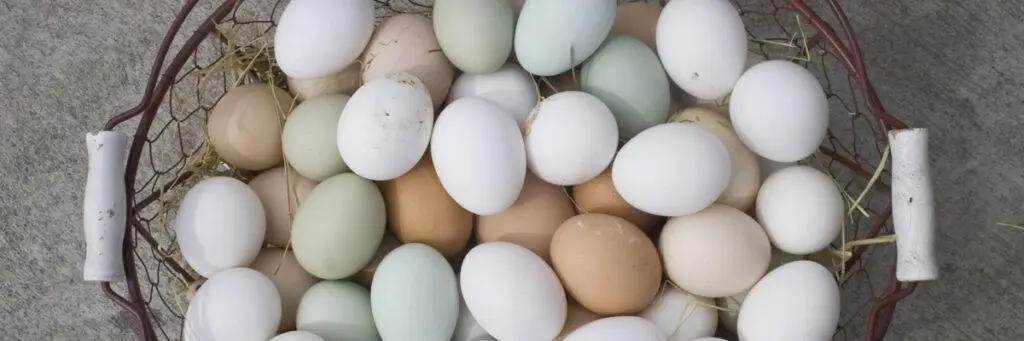
When we started raising backyard chickens, we put a lot of thought and research into the best laying hen breeds. Learning which breeds were best for our purpose saved us time and money by avoiding buying chickens unsuitable for what we wanted. Twenty years later, we know which breeds work best for us. So which is the best chicken for laying the largest eggs? Below is my pick for the 5 best laying hen breeds. Backyard Laying Hen Breeds All hens produce edible eggs, but which ones are the best egg-layer chicken breeds? I prefer brown eggs, so I base my breed choices on ones known for laying brown eggs. However, brown eggs are not healthier than white eggs: I just like brown eggs. The chicken’s diet controls eggs’ health benefits, the yolk’s richness and color, and the bird’s overall health. Many people argue that you can’t taste the difference between store-bought eggs and fresh eggs—I say, “baloney” – because the yolks are richer, more nutritious, and have a better taste than any eggs in the grocery store. Raising chickens organically and cage-free produces healthier and tastier eggs and meat. Once you try organic meat chicken, free of antibiotics, hormones, and other chemicals, you’ll never want chicken from the store again. Treats for Your Girls – They’ll Love Them 5 Best Egg Layer Hens Rhode Island Red: This is my favorite layer due to their medium-sized brown eggs and above-average laying rate. Being cold and heat-hardy, Rhode Island Reds are suitable for any climate. They are easy to care for because they adapt well to a penned or free-range environment. Reds are aggressive, so be careful what breeds you place them with. This dual-purpose breed is well-known for both egg production and meat. If you want a do-everything breed, the Rhode Island Red is the one to pick. Leghorn: These chickens lay extra-large white eggs, producing over 300 a year. Even with their smaller size, they make an excellent dual-purpose chicken, using them for meat once their laying production declines. If you want a meatier chicken go with the Plymouth Rock. Their egg production is lower but they are a large chicken, with an average weight of 10 pounds. While I prefer brown eggs, I always include a few Leghorns for their terrific laying rates. Buff Orpington: This breed has above-average production of large brown eggs. Their friendly nature and cold weather hardiness make them excellent beginner chickens. The Orpington is a good brooder and a wonderful mother if you plan to raise chicks. They also make good pets; I wouldn’t have a flock without one or two Orpingtons. However, other birds pick on them because of their docile nature, so they don’t do well with aggressive breeds. Black Star: The hens are above-average layers of large brown eggs and begin lying around five months. They are a hardy breed and easy to raise. These hybrid chickens are a cross between Barred Rock hens and Rhode Island Red roosters. The chicks are easily color sexed, meaning you identify males and females by color. The males are black, while hens have gold plumage on their necks and breast. The Black Star is another good beginner breed with a calm nature, making them good pets. Ameraucana: Also known as Easter Eggers, these backyard chickens lay eggs in shades of blue, blue-green, green, and cream. These easy-to-handle birds lay medium-sized eggs, are winter hardy, and have average to above-average egg production. Ameracuanas adapt well to confinement or free range and are calm and non-aggressive, making them good family chickens. Your kids will love collecting the colorful eggs. ? Best Laying Hen Chicken Breeds ? Chicken Breed Egg Laying Stats Rhode Island Red Approx. 200-300 eggs/year Leghorn Approx. 280-320 eggs/year Buff Orpington Approx. 180-220 eggs/year Black Star Approx. 240-280 eggs/year Ameraucana Approx. 180-200 eggs/year Brought to You by thebackyardchickenfarmer.com ? Our Conclusion Try various breeds for your backyard flock. Finding the best egg layer hens starts by understanding your desired results. If you want meat and egg layers, I recommend including dual-purpose chickens like the Leghorn and meat chickens like the Plymouth Rock. A flock of three to four hens gives a family of four an adequate amount of eggs, but I always have a flock of ten, usually more.