
How Many Chickens Should a Beginner Start With?
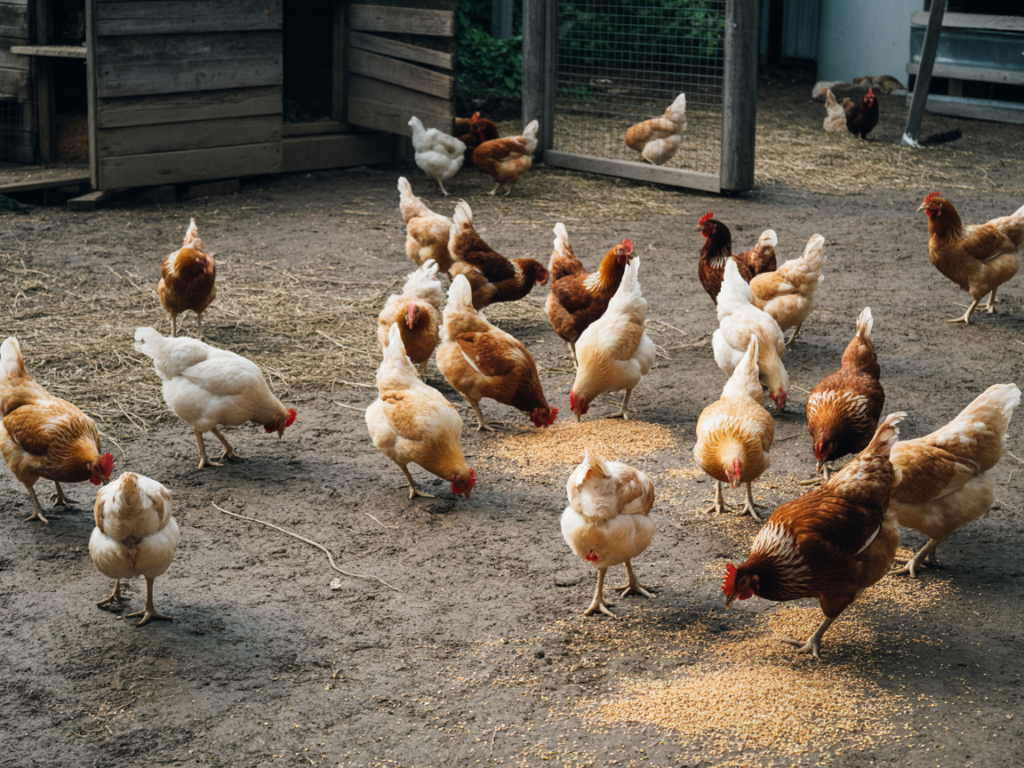
This article contains affiliate links. I may or may not earn a small commission if you buy from any of these vendors. If you are new to raising chickens for beginners, choosing the right flock size is one of the first decisions you will need to make. One of the first questions new chicken keepers ask is simple. How many chickens should I start with? It sounds like an easy decision. It isn’t. The number you choose affects your space, your daily routine, your costs, and how many eggs you actually get. Start with too many, and things get overwhelming fast. Start with too few, and you may not get enough eggs, or you end up with a stressed flock. The good news is that you do not need to guess. Once you understand what really matters, the right number becomes clear. The Short Answer Most Beginners Are Looking For If you want a quick answer, here it is. Most beginners do best starting with 3 to 6 chickens. That range gives you: It is small enough to handle easily, but large enough to avoid common beginner problems. Now let’s break down why that range works so well. Why You Should Not Start Too Small Chickens are not solitary animals. They are flock animals. A single chicken will struggle. It will pace, call out, and show signs of stress. Even two birds can be risky. If one gets sick or dies, the other is left alone. A small group changes everything. With three or more chickens, the flock feels stable. They interact naturally, settle into a routine, and behave the way chickens are supposed to behave. If you are trying to decide how many chickens to start with, this is one of the most important things to understand. How Many Chickens Do You Need for Eggs? This is where your personal situation matters most. Some people want a few eggs each week. Others want enough for a family or even extra to share. Some of the best chicken breeds for beginners are known for consistent egg production. A healthy laying hen produces several eggs per week, but not on a perfect schedule. Production changes with the season, the breed, and the age of the bird. Egg production also depends on what chickens eat and how well their diet supports laying. Instead of guessing, think about your household. How often do you eat eggs?Do you bake often?Do you want extra? Once you answer those questions, the number of chickens you need becomes much easier to estimate. Simple Egg Production Guide If you are wondering how many chickens you need for eggs, this chart gives you a quick starting point. 🐔 Number of Chickens 🥚 Eggs Per Week 🏡 Good For 3 12–18 Couples or light egg use 4–6 18–30 Most families 8+ 30+ Large households or extra eggs Keep in mind that egg production is not perfectly consistent. Winter cold, summer heat, and molting all affect output. Space Will Limit Your Flock Size No matter how many chickens you want, your space sets the real limit. Chickens need room inside the coop and outside in the run. Without enough space, problems show up quickly. You will see things like pecking and aggression, stress, and lower egg production. Each bird needs enough space to move comfortably, rest, and stay out of each other’s way. If your yard is small, your flock should stay small. Trying to push beyond what your space allows usually leads to problems that are hard to fix later. More Chickens Means More Work Chickens are easy to care for, but they still need daily attention. Every day, you will need to check and refill water and feed, collect eggs, and do a quick health check. With a small flock, this takes just a few minutes. As you add more birds, those same tasks take longer. Cleaning becomes more frequent. Feed runs out faster. Small chores begin to stack up. It is not overwhelming, but it is noticeable. Starting with fewer chickens gives you time to build a routine that fits your schedule. Costs Increase with Flock Size Every chicken adds to your costs. Feed is the biggest ongoing expense. More birds mean more feed every week, and housing costs increase as well. A larger flock needs a larger coop, more bedding, and more supplies. The difference between a small flock and a large one is not just a few dollars. Starting small helps you control your budget while you learn. Should You Get All Your Chickens at Once? This is something many beginners overlook. It may seem easier to start with a few birds and add more later, but in reality, that can create problems. Chickens establish a pecking order. When new birds are introduced, that order is disrupted. The existing flock often chases and pecks the newcomers until a new hierarchy forms. It can be managed, but it takes time and extra space. Starting with one group avoids that issue. The birds grow together and form a stable flock from the beginning. Best Number of Chickens for Beginners If you are still wondering how many chickens you should start with, here is a simple way to think about it. Start with a number you can manage comfortably. For most people, that means that you have enough birds to form a stable group, enough eggs to meet your needs, and you don’t have so many that it adds flock stress or extra work. That is why most beginners land in the same range. It works. Common Beginner Mistakes A few mistakes keep showing up. Some people start with too many chickens. It feels exciting at first, but quickly becomes more work and more costly. Others go too small. One or two birds can create problems if something happens to one of them. Another common mistake is not planning ahead. Many people end up wanting more chickens later but do not have the space or setup to expand
Complete Beginner Guide to Raising Backyard Chickens
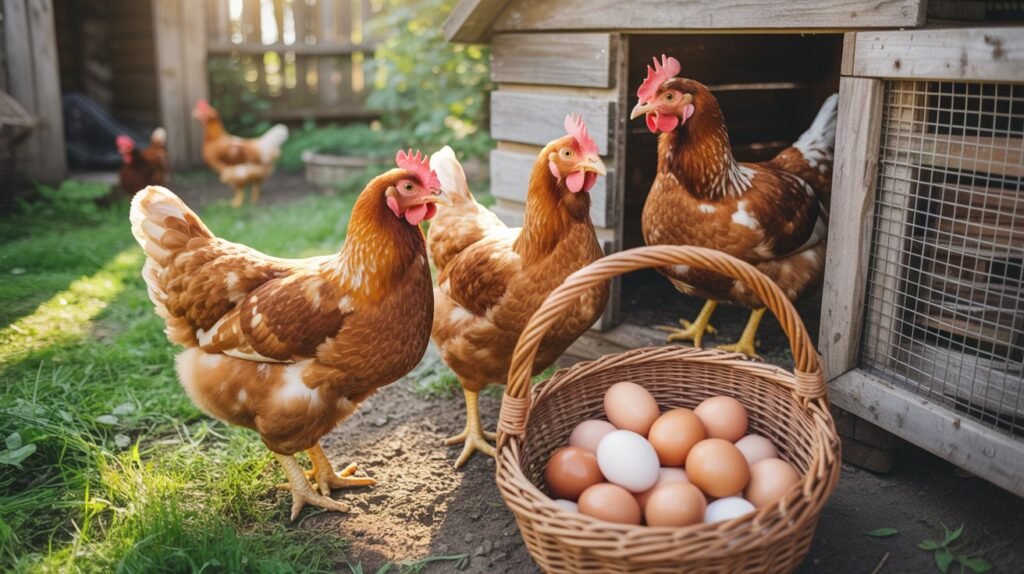
Backyard chickens have gone from a rural tradition to a suburban staple. Across the United States, millions of households now keep small flocks in their yards. The reasons are practical: fresh eggs every morning, natural pest control, and a surprising amount of entertainment from birds with their own personalities. Believe me, just the idea of raising backyard chickens for the first time feels like a daunting task. If you’re wondering how to raise backyard chickens successfully, the process is actually simpler than most beginners expect. There are breeds to choose, coops to build, feed to buy, and local rules to research. This guide covers every step so you can start with confidence. Chickens are forgiving animals. Most beginners get it right, and the ones who struggle early usually do so for avoidable reasons that this guide will help you skip. Why Raise Backyard Chickens? The most obvious reason people start raising chickens for eggs is the steady supply they get from their own backyard flock. This is possibly one of the best reasons for having a productive backyard flock. A healthy hen lays roughly 250 to 300 eggs per year during her peak years, and you can’t beat food that goes directly from source to kitchen. Store-bought eggs spend days in transit before even reaching a shelf. Backyard eggs go from nest to kitchen the same day. Then there’s the plus side of the rich, dark yolks, because you control what your birds eat. The benefits of owning backyard chickens go far beyond the breakfast table. Chickens are your own personal pest control, eating beetles, grubs, ticks, and fly larvae. A small flock working through a garden bed significantly reduces pest control pressures. Plus, you have the added benefit of mixing their droppings with bedding material like straw, along with vegetables and other plant materials. These break down into one of the best garden fertilizers available. Gardeners who keep chickens often stop buying fertilizer entirely. We’ve owned chickens for years, and our children have always found them to be engaging pets. Each bird behaves differently and has a very distinct personality. Some breeds are calm and easy to handle, others are bold and curious. Children who help care for your flock learn responsibility in a concrete way, while the chickens provide a tangible return on the feed you buy. Just another reason to own a backyard flock. Check Local Laws Before Getting Chickens Before buying a single chick, spend an hour checking your local rules. Many cities and counties allow backyard chickens with restrictions, and some ban them outright. Getting this wrong means rehoming birds you have already bonded with. Here is what to look for: Your city or county website usually lists this information under zoning or animal control. A quick call to your local zoning office confirms anything unclear. This step takes less than an hour and prevents serious problems later. ⬆ Back to top How Many Chickens Should Beginners Start With? Three to six chickens is the right range for most beginners. A flock of three gives you enough eggs for a small household and enough social dynamics to observe. Six birds produce more eggs and give you a buffer if one hen stops laying or gets sick. Chickens are social animals. A single chicken kept alone will be stressed and unhappy. Two is a minimum. Three or more is better. If you want enough eggs to share with neighbors or family, four to six hens is a practical target. Here is a rough guide to weekly egg output based on flock size, assuming healthy hens of good laying breeds: 🐔 Number of Chickens 🐔 Estimated Eggs Per Week 3 12 to 15 4 16 to 20 6 24 to 30 These numbers reflect prime laying years. Production drops in winter, during molting, and as hens age past three or four years. Start with the number that fits your household needs, and plan your coop space around your target flock size. Best Chicken Breeds for Beginners 🐔 Chicken Breed 🥚 Eggs Per Year 🐔 Temperament Rhode Island Red 250–300 Hardy, confident, sometimes assertive Plymouth Rock 200–250 Friendly, calm, family-friendly Australorp 250–300 Quiet, gentle, excellent layers Buff Orpington 180–220 Very friendly, docile, great for children Sussex 230–250 Curious, active, adaptable Breed choice is a key factor in building a backyard flock. Some breeds are docile and easy to handle, while others are flighty or aggressive. For a first flock, know what the best chicken breeds for beginners are, and pick breeds known for calm temperament, consistent egg production, and adaptability to your climate. Rhode Island Red Rhode Island Reds are among the most popular backyard breeds in America. They lay large brown eggs reliably, often 250 to 300 per year. They tolerate cold well and adapt to both confinement and free-ranging. They can be assertive in the flock hierarchy but are generally manageable for beginners. I do not recommend keeping Rhode Island Red roosters, as they can be bullies in the pen. The hens can sometimes have aggressive spells, but they are worth any extra work of separating them if that happens. You just can’t beat this breed for their ability to lay large, brown eggs. Plymouth Rock Plymouth Rocks, often called Barred Rocks, are calm, friendly, and dependable. They lay around 200 brown eggs per year and handle cold weather well. They are one of the best breeds for families with children because they tolerate handling without much fuss. Australorp Australorps hold the world record for egg production: 364 eggs in 365 days from one bird, but on average, the Australorps lay 250 or more eggs per year. They are gentle, quiet, and do well in small backyards. Buff Orpington Orpingtons are the golden retrievers of the chicken world, and another favorite of mine. They are large, fluffy, calm, and friendly. And even though they are large birds, I consider them among the best to have around children. Buffs lay around 200 brown eggs per year
Raising Backyard Chickens 101
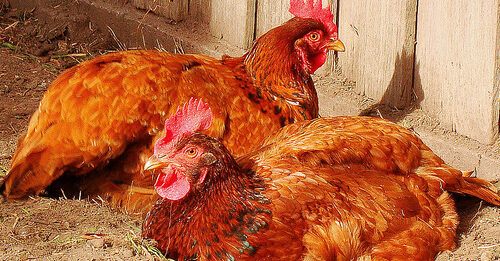
Many people in the inner city suburbs are starting to realize the benefits of raising backyard chickens. They are easy to take care of, produce fresh eggs for the table, and are a great learning tool about farm life for children growing up in the inner city. This article will give you the inside scoop on raising backyard chickens 101. Raising Chickens in the Backyard Inner city life brings with it a lot of pros: you’re close to the action and work, you don’t miss out on anything, and you don’t have to sit through hours of peak hour traffic, but it also holds you back from having the backyard of your dreams. Many of those who live in the inner city do not have much space in their yards; many only have courtyards, but if you have enough space to install a chicken coup, you get the best of two worlds: city and urban. ? The Backyard Chicken Movement Timeline ?️ Early 2000s: Rise in urban chicken-keeping as part of the sustainable living movement. 2009: “The Backyard Chicken Revolution” book by Gail Damerow boosts interest in keeping backyard chickens. 2010s: Increase in city ordinances allowing backyard chickens in urban areas. 2016: “The Chicken Whisperer’s Guide to Keeping Chickens” by Andy Schneider becomes a bestseller. Present: The backyard chicken movement continues to grow, promoting self-sufficiency and sustainable living. Brought to You by thebackyardchickenfarmer.com ? Chicken Coop and Run A coop and run is essential for your flock of backyard chickens. Plenty of shed companies supply well-sized chicken coups for backyards, so you can benefit from raising chickens while living in the inner city. For those who enjoy doing things yourself, build your chicken coop from any designs found at Easy Coops, like this small chicken condo suitable for most backyards. All the Easy Coops plans have a chicken house design with enough space for the number of chickens they are built for, and all provide adequate light and ventilation for a healthy flock. I suggest having an outside run area large enough to allow good exercise for your chickens. This may mean adding extra space to your plans or building a coop bigger than the suggested number of chickens for the coop design. You can make any of these coop designs using used lumber from a second-hand building store or with pallets. Add a coat of paint, and no one can tell. Your chickens need a bare area to take a dust bath in the run. They rid themselves of mites and bacteria, not with water but dust. They need an area of dust approximately 2′ by 2′ by 16″, either bare ground or a low-sided box filled with dust. If you use the ground in your yard for their dust bath area, you might want to consider one of the moveable chicken tractors. As its name implies, this coop is a portable pen that you can move from one area of your yard to another. These unique coops have wheels on one end and handles or a handlebar on the other. The Cost of Raising Chickens Chickens are easy and inexpensive to maintain, compared to your average pet, and they are your very own chemical-free bug and weed control; they make an excellent fertilizer, and your kids will love them. There are two costs associated with raising chickens: startup costs, like the coop, equipment, and the chickens themselves, and ongoing costs for food and other essential supplies. Maintaining a chicken flock of three chickens or less costs approximately $30 monthly. If you are up for a little nature experiment, you can raise your chickens from an egg by making an egg incubator. You can watch your chicks hatch and raise them from birth to be the big, healthy, egg-laying chicken of your dreams. Your chicks will eat crumbs and drink water from a drip. Encourage your kids to play with the chicks to get them used to being around people from an early age. If you haven’t spent much time around chickens, getting to know them from when they are chicks is a great way to acclimate yourself to them, as it can be a little daunting to start with adult chickens, and it helps you learn the temperament of each chicken. If you plan to raise baby chicks, I suggest using pine shavings for the flooring of your chicken coop. It is non-toxic, making the coop easy to clean, whether you are raising babies or not. Just sweep everything out of the coop and bag it for trash collection, or let it sit and use it in a compost pile the following season. Final Thoughts It is also important when considering raising chickens to check with your local council to see if it’s legal in your area; this may be an issue if you have a small yard, but it may be possible to keep one or two. In addition, if you live under the regulations of a Home Owners Association, you must check their rules and regulations once you have verified your city or county allows you to raise chickens in your backyard. While the government council may say yes, the HOA may look differently at raising backyard chickens.
Two Faces of Raising Chickens
Raising farm animals like chickens are not so common in citified places. But many people just want to have a feel of the suburban life and recreate this by having their small chicken farms in their backyards.