Best Chicken Feed for Backyard Chickens: What Beginners Should Buy
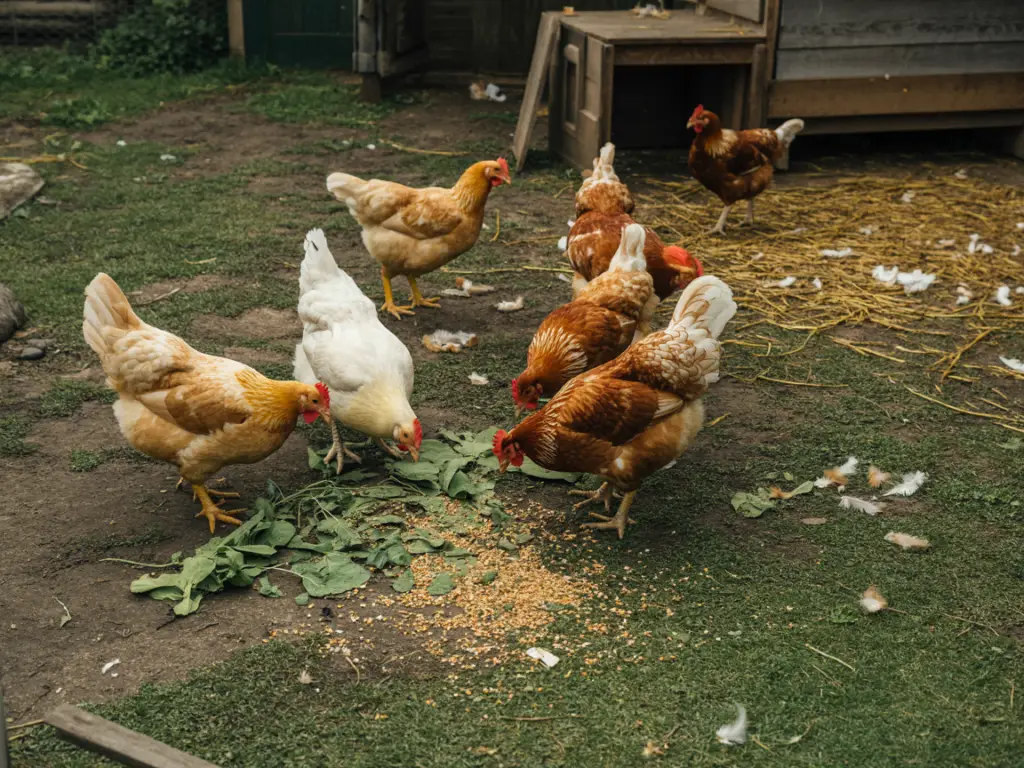
This article contains affiliate links. I may or may not earn a small commission if you buy from any of these vendors. Walking into a feed store for the first time can feel like a lot. The shelves are lined with bags labeled starter, grower, layer, all-flock, medicated, non-medicated, mash, crumbles, and pellets. Every bag sounds important, but few make it clear which one your chickens actually need. The good news is that feeding backyard chickens is much simpler than it looks. In most cases, the right choice comes down to two things. How old are your birds, and what are you raising them for? A flock of laying hens needs different nutrition than a group of young chicks, and meat birds need something entirely different. Most backyard chickens do well on a complete commercial feed. That means the bag already contains the right balance of protein, vitamins, and minerals, so you are not left trying to piece together a diet on your own. This guide walks through the main types of chicken feed, explains what to look for on the label, and helps you choose the best option for your flock. Find out what to feed your chickens in our guide, What Do Chickens Eat? A Complete Feeding Guide. What Is the Best Chicken Feed for Backyard Chickens? The answer depends on what kind of birds you have and what stage of life they are in. A chick, a growing pullet, and a laying hen all need different things from their feed. This section covers why there is no single chicken feed and how you figure out what your flock needs. Why There Is No One-Size-Fits-All Chicken Feed There is no single feed that works for every chicken at every stage. A day-old chick needs 18–20% protein to support fast growth. A laying hen needs 16% protein and extra calcium to produce strong eggshells. A meat bird needs even higher protein to put on weight quickly. Feeding the wrong type can cause real problems. Too much calcium harms young birds, while too little protein slows egg production. The right feed matches the bird’s age and the job they have to do. Learn more about the roles of chickens in our Complete Beginner Guide to Raising Chickens. Why Complete Feed Is Best for Most Beginners A complete feed is formulated to be the only feed your chickens need. It contains protein, fat, fiber, vitamins, and minerals in the correct ratios. You do not need to mix grains, add supplements, or do any math. For beginners, a complete feed takes the guesswork out of nutrition. You fill the feeder, and your birds get what they need. Simple. How a Chicken’s Age Changes Its Feed Needs Chickens go through three main life stages, and each stage has a matching feed. Chicks eat starter feed from hatch to about 8 weeks. Pullets eat grower feed from 8 weeks to about 16 weeks. Laying hens eat layer feed from the time they start producing eggs. Each feed has a different protein level and calcium content designed for that stage. Skipping a stage or switching too early can hurt your birds. Types of Chicken Feed by Life Stage Chicken feed is grouped by life stage. Each type has a specific protein and calcium level that matches the bird’s needs at that age. There are five main types you will see at the feed store. Chick Starter Feed Chick starter is a high-protein feed (18–20%) made for birds from hatch to about 8 weeks old. Starter feed comes in fine crumbles, making it easier for young chicks to eat. This feed does not contain added calcium because too much calcium can damage a chick’s developing kidneys. Grower Feed Grower feed, a bridge between starter and layer feed, has a slightly lower protein level (14–16%) and is meant for pullets between 8 and 16 weeks. Layer Feed If you have active laying hens, you need a layer feed designed specifically for hens that are actively laying. This feed contains about 16% protein and 3–4% calcium to support strong eggshells. Most backyard chicken keepers with a flock of adult hens will use layer feed as their everyday feed. All-Flock Feed All-flock feed (sometimes called flock raiser) works for mixed-age groups and has moderate protein (around 18–20%) and lower calcium than layer feed. If you keep hens, chicks, and roosters together, all-flock feed works for all your chickens. You offer oyster shells on the side for the laying hens. Broiler Feed Broiler feed is a high-protein formula (20–24%) built for meat birds. It’s formulated for fast weight gain for your meat birds. Most backyard egg keepers will never need it, but if you raise Cornish Cross or other meat breeds, this is the feed to use. When you are ready to raise meat breeds, check out our guide, Raising Meat Chickens. 🐣 Feed Type 📅 Best For 📝 Main Purpose Chick Starter 0–8 weeks High protein for rapid early growth Grower Feed 8–18 weeks Moderate protein for steady development before laying Layer Feed 18+ weeks or when hens begin laying Added calcium and balanced nutrition for egg production All-Flock Feed Mixed-age flocks Balanced feed for mixed flocks; offer oyster shell separately for laying hens Broiler Feed Meat birds Higher protein feed for fast growth and weight gain Mash, Crumbles, or Pellets: Which Type of Chicken Feed Is Best? Chicken feed comes in three forms: mash, crumbles, and pellets. The nutrition is the same across all three feed forms. The difference is in texture, which affects how much feed your flock wastes and how easily the feed is for your chickens to eat. What Is Mash Feed? Mash is a loose, unprocessed mix of ground grains and nutrients. It looks like coarse flour. Mash is easy for very young chicks to eat, and you can mix it with warm water to make a porridge. The downside is waste. Chickens scratch through it and spill it on the ground. What