
DIY Chick Brooder
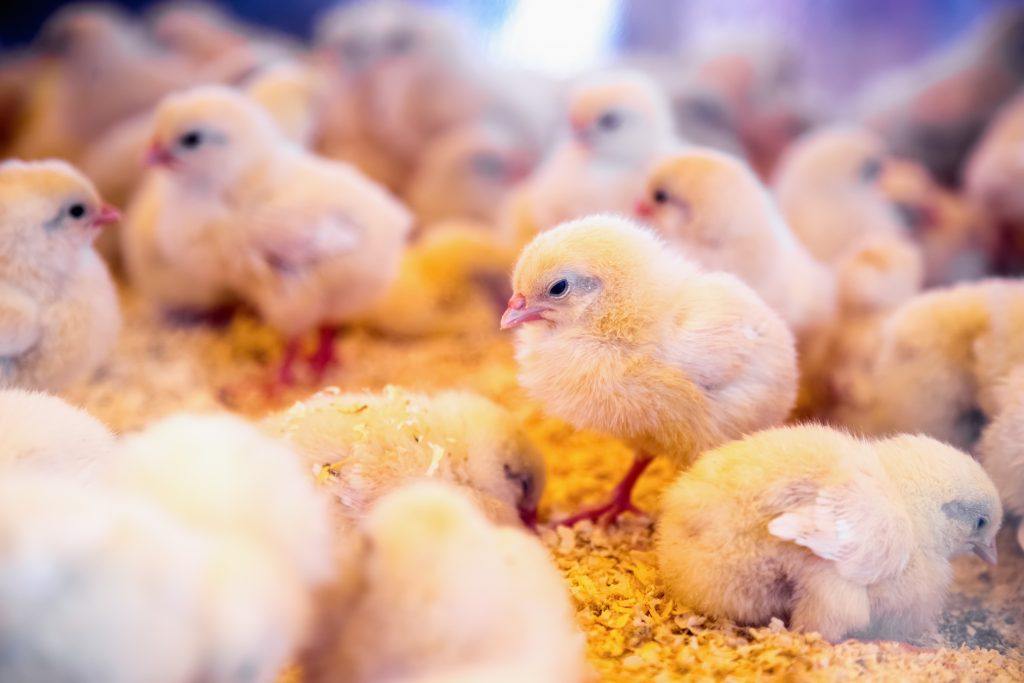
Setting the stage for the healthy development of chicks requires a reliable and carefully constructed environment. This is where a chick brooder comes into play, serving as a warm, safe haven for baby chicks during their first weeks. Building a DIY chick brooder not only allows for customization to meet the specific needs of your flock but also instills a sense of accomplishment in providing for these young creatures. Why might you choose the DIY route for chick brooders? For starters, creating your own brooder can be cost-effective and allows the flexibility to use materials you already have. Additionally, by being involved in the design and construction process, you gain a deeper understanding of the chicks’ requirements, contributing to their overall health and vigor. A thoughtful approach to designing and setting up a baby chick brooder is critical for nurturing these young birds. The following section will dive into the necessary considerations and steps to plan your brooder. With a keen eye on crafting a comfortable environment, you’ll ensure the brooder meets the chicks’ warmth, safety, and space needs, setting the stage for their growth and well-being. With DIY, you’re not just building a physical space but laying the groundwork for the lives entrusted to your care. Planning Your Baby Chick Brooder Design Effective planning is the cornerstone of any successful project. Before I grab a hammer or cut a piece of wood, I carefully consider the dimensions, materials, and features that will ensure my chicks’ survival, comfort, and growth. When approaching the design of a baby chick brooder, consider the space needed, the materials at your disposal, and how you can create a healthy habitat. Space is paramount. I calculate the square footage by the number of chicks I intend to raise, typically allotting 2-3 square feet per chick to prevent overcrowding. For materials, sanitation, and safety guide, my choices are wood for the frame, washable and non-toxic surfaces for the interior, and sturdy, fine mesh for ventilation. Temperature regulation can’t be an afterthought—it’s crucial. A brooder’s design must allow for a reliable heat source, which must be adjustable as the chicks develop their feathers. Draft protection is equally important, ensuring the chick’s environment remains stable. Integrating these elements from the get-go saves time and stress down the line. ? Brooder Building Supplies ? Large cardboard box or plastic tub Heat lamp or EcoGlow brooder Thermometer to monitor temperature Bedding material, such as pine shavings or straw Feeder and waterer appropriate for chicks Brooder guard or cover to contain heat Optional: chick starter feed and chick grit Brought to You by thebackyardchickenfarmer.com ? Step-by-Step Guide: How to Build a Chick Brooder Gather all necessary tools and materials before you start constructing your chick brooder. You’ll need a sturdy container, such as a plastic tub or a wooden box, a heat lamp, thermometer, pine shavings for bedding, a feeder, a waterer, and hardware cloth for a lid. The building process begins with creating a solid framework. This step may involve reinforcing the edges if needed for a plastic tub. If you’re using wood, cut your pieces to size and assemble using nails or screws to form a box. Remember, it’s imperative to sand down any rough edges to prevent injury to the chicks. Next, heat is crucial for baby chicks’ survival. Install the heat lamp securely above where your chicks will huddle, ensuring it’s adjustable. This allows you to modify heat levels by raising or lowering the lamp as required. Always affix it well to avoid falls, and pair it with a reliable thermometer to keep a consistent temperature between 95 and 100 degrees Fahrenheit in the brooder’s first week. Pour in the bedding, typically pine shavings, to a depth of approximately 1-2 inches. This bedding should be changed regularly to maintain hygiene. Set up the feeder and waterer in areas easily accessible to the chicks but far enough from the heat source to avoid warming the food and water. Safety is non-negotiable. Protect your brood by covering the brooder with hardware cloth or a similar lid that provides ventilation while keeping the chicks secure inside and potential predators out. Conduct a thorough check of your brooder to ensure it’s safe and ready for occupants. Watch for potential hazards like loose wires, sharp corners, or gaps through which chicks could escape. After ensuring everything is immaculate, introduce the chicks to their new home. Chick Brooder Building Plans By following these step-by-step instructions, you can easily build a simple wooden box brooder to raise baby chicks at home. Simple Wooden Box Brooder Materials Needed: Step 1: Cut the Wood Step 2: Assemble the Box Step 3: Add Ventilation Step 4: Finishing Touches Step 5: Prepare for Use As an Amazon Associate, I earn commission from qualifying purchases, which helps with website upkeep. Maintaining Your Baby Chick Brooder for Optimal Health Your DIY chick brooder is now a warm and secure home for the newest feathered additions to your family, but the job doesn’t stop there. Keeping these little ones thriving requires regular maintenance of their environment. Start with a daily inspection routine. You’re checking for cleanliness, food and water supply, and the general well-being of your chicks. Any mess should be cleaned promptly to prevent disease and keep the brooder sanitary. Temperature and humidity levels are critical for the health and comfort of baby chicks. Monitor these conditions closely, making minor adjustments to the brooder’s heat source to maintain a consistent environment. As your chicks grow, they’ll need more space and less heat. Be prepared to adjust your brooder setup accordingly, expanding the space and gradually reducing the temperature. Finally, you’ll encounter moments that require swift action – like a tipped-over water dish or a curious chick finding its way to an edge. Stay vigilant and correct these issues immediately to keep your brood safe. Final Thoughts Remember, the brooder is just the beginning. As your chicks develop, you’ll transition them to a chicken coop, but until then, your focus
Baby Chicks: 7 Places to Get Them
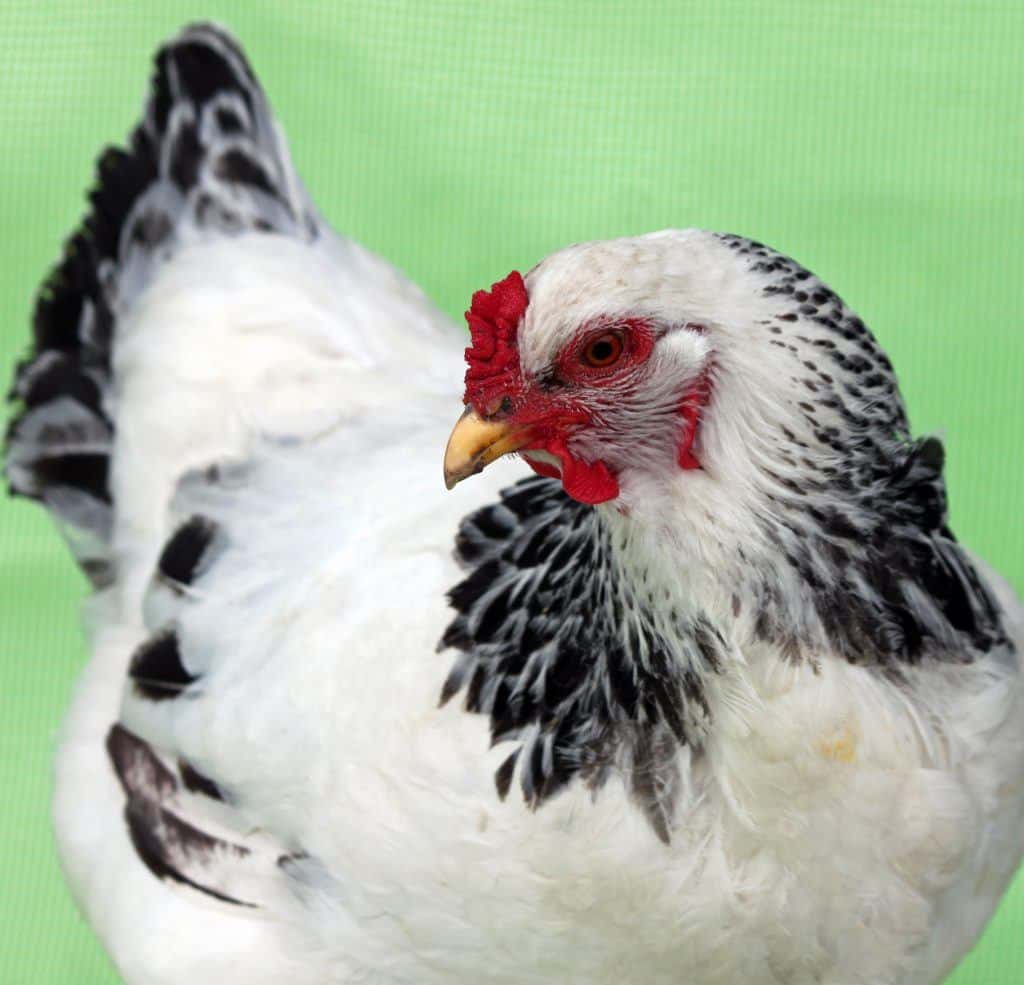
Even though it’s still cold in different areas of the country, now is the time for planning and buying baby chicks for eggs and meat. If you’re at the stage of building your flock, it means you already know what chickens you want to raise. Whether you want laying hens or meat chickens, you will not have a successful backyard chicken farm if you don’t know where to get high-quality chickens. Those new to raising chickens may need help knowing where to buy a flock. The problem is that there’s very little condensed information about hatcheries and breeders. In this article, we list our favorite hatcheries with a synopsis of each one and what they offer. We also include the difference between breeders and hatcheries and which is best for your needs. Buying Baby Chicks: Hatcheries vs. Breeders Choosing a breeder or a hatchery depends on what you plan for your chickens. If you’re looking for egg layers or meat chickens, a hatchery is your best choice for buying baby chicks. But if you plan to raise show chickens, like the Brahma and the Cochin, a breeder is the best way to go. One misconception is that breeder chickens don’t lay as many eggs as those from a hatchery. On the opposite end of the spectrum, others say chickens from a breeder lay better: total BS on both accounts. A chicken has X number of eggs during their lifetime, with their most prolific laying period from one to four years. Once they lay the predetermined number of eggs, they quit laying. The number of eggs you get depends on the chicken breed and not who hatched the egg. Rhode Island Red and Leghorn hens lay 250-300 eggs yearly, while Delaware and Easter Eggers only lay 150-200 eggs yearly. Hatcheries You can find hatcheries in different states, with most willing to ship their baby chicks to you. Most offer a variety of breeds, including layers, meat chickens, Bantams, and exotic birds. It’s not always possible, depending on what we’re looking for; we prefer using a hatchery close to us. Commercial hatcheries have a continuous assembly line of hatching eggs, with thousands of chicks born each week. Once you place your order, day-old chicks are shipped to the post office closest to you and delivered within 72 hours. Our favorite hatcheries: Our Recommended Hatcheries Cackle Hatchery – Cackle Hatchery is a 3rd generation family-owned hatchery offering over 193 varieties of poultry. Raising US Pullorum clean poultry since 1936, Cackle Hatchery ships to the 48 contiguous states plus Hawaii, Alaska, and Puerto Rico. Besides poultry, the hatchery sells supplies, including: Brooders Incubators and Nesting Supplies Feeders and Waterers Chicken Coops Transporting Boxes and Cages Location: 411 W Commercial Street Lebanon, Missouri PO Box 529 Lebanon, MO 65536 1-417-532-4581 Visit Cackle Hatchery Website Meyer Hatchery – Since 1985, Karen Meyer has offered quality poultry and now carries the title of an industry leader with over 160 poultry breeds. The Meyer poultry lineup includes chickens, turkeys, geese, ducks, peafowl, guineas, and game birds and a full line of supplies and feed. Location: 411 W Commercial StreetLebanon, MissouriPO Box 529Lebanon, MO 655361-417-532-4581 Visit Cackle Hatchery Website McMurray Hatchery – McMurray has a 100-year history of providing customers with high-quality poultry and poultry supplies. The hatchery supplies small farmers and rural egg producers with a large selection of day-old baby chicks, pullets, turkeys, geese, ducks, partridges, guineas, and quail. You can order a free catalog or view their available poultry online. Besides their high-quality poultry, they offer starter kits, processing kits, general poultry supplies, and feed. Location: 191 Closz DriveWebster City, IowaPO Box 458Webster City, IA 505951-515-832-3280 Visit McMurray Hatchery Hoover’s Hatchery – Providing quality poultry with excellent customer service since 1944, Hoover’s prides itself on a long tradition of supplying the best poultry in the industry. Hoover’s keeps 15 breeding flocks for various laying chickens. Their broiler-hatching eggs come from a reputable Hot Spring, Arkansas breeder. Their lineup includes: Bantams White, Brown, and Color Egg Layers Polish Meat, Dual Purpose, and Rare Birds Location: 205 Chickasaw StreetRudd, IowaPO Box 200Rudd, IA 504711-800-247-7014 Visit Hoover’s Hatchery Breeders Some people swear by breeders for buying baby chicks other than show quality. They believe that birds from a breeder lay more eggs more often. I can guarantee that buying from breeders doesn’t mean more eggs. When born, chickens have many egg cells for laying during their lifetime. The number of predetermined eggs depends on the breed. Certain breeds may lay several thousand during their lifetime, like a Leghorn or a Rhode Island Red, while others, like the Easter Egger, only lay several hundred. Getting a bird from a breeder makes no difference in how many eggs you get. Breeders are sometimes tricky to find. The poultry association in your state and local feed stores is the first place to check for breeders in your area. Since not all states have a poultry association, we have a list of breeders where you can order chickens. Stromberg’s PoultryShow.com McMurray Hatchery If you can’t find local breeders, you must look online. Our Recommended Breeders Stromberg’s – Besides their quality show birds, Stromberg’s offers laying hens, meat chickens, poultry supplies, and a good selection of poultry related books, videos, and posters. For show birds, Stromberg’s has a line of high-quality ornamental chickens, breeding them for appearance and conforming to American Poultry Association standards. These chickens have little if any economic value, but if you plan to show them, Stromberg’s is the place to get your chicks. Location: 100 York Street Pine River, Minnesota PO Box 400 Pine River, MN 56474 1-218-587-2222 Visit Stromberg’s PoultryShow.com – This site is the best place to find show chicken breeders. They don’t sell chicks or eggs, but they run an all-inclusive site offering breeder information from around the US. Besides breeder listings, this huge information database includes poultry show information; swap meets, ABA-sanctioned shows, guides to raising show chickens, and more. We don’t have contact information for you